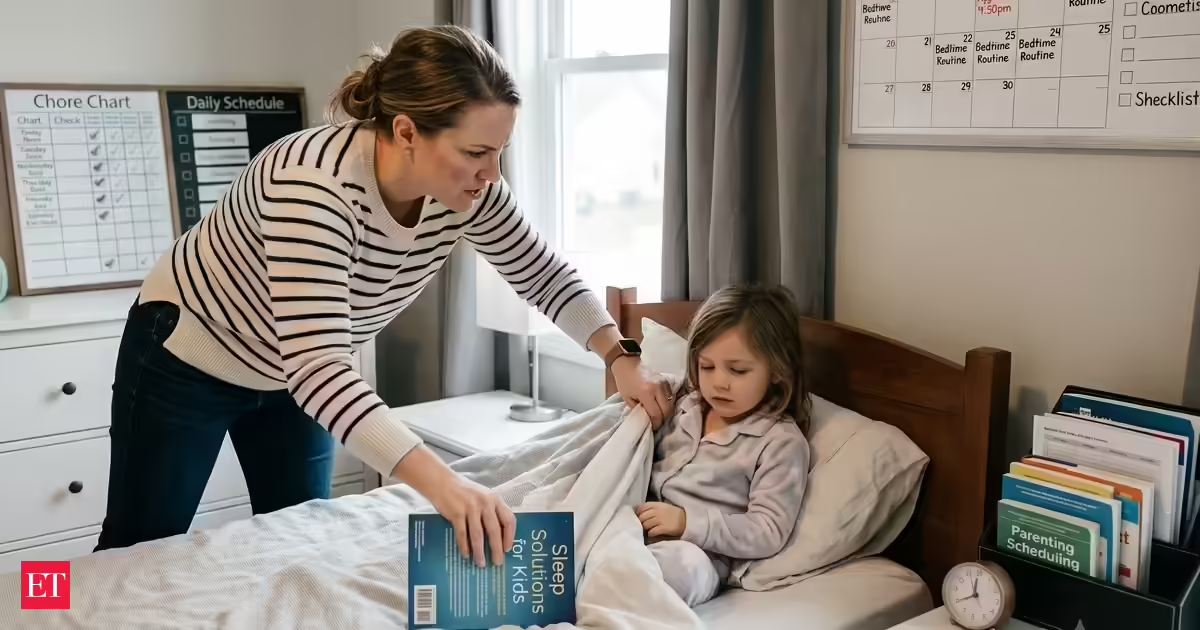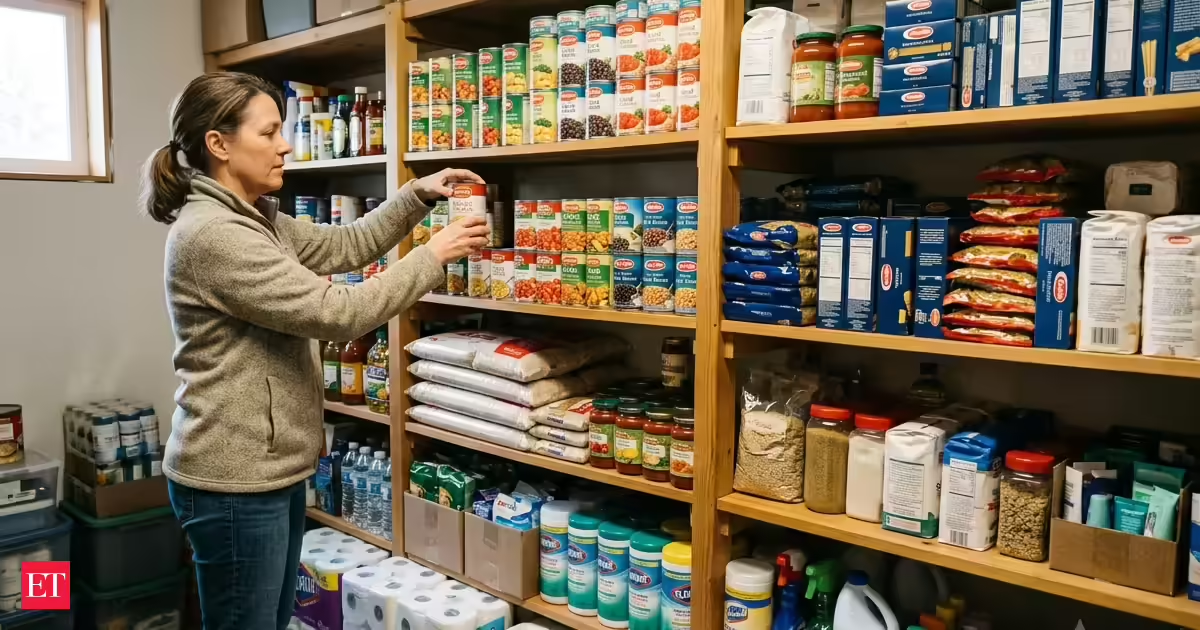
Psychology says the parent who packs snacks for everyone isn’t controlling; they’re preventing distress before it starts, because care often becomes practical in people who learned to scan aheadSynopsisMany families have a person who prepares for every eventuality. This proactive approach, often seen as cautious, is rooted in caregiving psychology. Researchers find these individuals engage in anticipatory coping, preventing discomfort before it occurs. Such actions, like packing snacks, are practical expressions of love and create family stability. These quiet efforts ensure smoother daily life for everyone.Many caregivers show love by noticing needs before those needs become urgent | PexelsEvery family seems to have one person who never leaves the house without snacks, water bottles, phone chargers, tissues, and a backup plan, and they are usually the person reminding everyone to eat before a long drive, throwing extra granola bars into a bag, or quietly making sure there is something available in case plans run late. From the outside, these habits can sometimes look controlling or unnecessarily cautious.Research on caregiving, anticipatory coping, and family regulation shows that many caregivers develop a habit of anticipating potential problems and addressing them before they have a chance to grow. In practice, that often means turning care into logistics. Rather than waiting for someone to become hungry, overwhelmed, or distressed, they try to reduce the likelihood of those situations occurring in the first place.Packing snacks, checking travel plans, or bringing extra supplies can appear excessive when everything goes smoothly | PexelsCaregiving often begins before a problem appearsOne of the most consistent findings in caregiving research is that effective caregivers tend to think ahead. A systematic review published in the International Journal of Environmental Research and Public Health found that caregivers frequently engage in what researchers call anticipatory coping, meaning they prepare for likely challenges before those challenges become immediate realities.Packing snacks, checking travel plans, or bringing extra supplies can appear excessive when everything goes smoothly. Yet when viewed through the lens of caregiving psychology, these behaviors are often proactive attempts to reduce stress and uncertainty. The caregiver is not necessarily trying to control events. More often, they are trying to prevent avoidable discomfort before it affects everyone involved.Some people learn to scan ahead very earlyAnticipation can become deeply ingrained through experience. A review published in Child Abuse & Neglect examining adverse childhood experiences and parenting found that early life stress can influence how adults approach caregiving later in life, often increasing vigilance and preparation behaviors.This does not mean every organized parent had a difficult childhood; however, it does suggest that people who learned early that small problems can escalate quickly may become particularly attentive to preventing those problems in adulthood. For these individuals, packing snacks is rarely about food alone. It is part of a broader habit of reducing risk and creating stability before anyone notices that stability is needed.Family life is often regulated through small routinesPsychologists increasingly recognize that emotional regulation in families is not limited to comforting people after they become upset, since it also involves creating conditions that make distress less likely to occur in the first place.A review published in Current Opinion in Psychology found that routines and practical caregiving strategies play a significant role in reducing family stress. Something as simple as having food available during a long outing can prevent hunger-related irritability, reduce conflict, and make social interactions easier. These actions rarely attract attention because they work quietly. When the system functions well, nobody notices the problem that never happened.Many caregivers show love by noticing needs before those needs become urgent | PexelsPractical care is still emotional careResearch on caregiver responsiveness increasingly shows that support is often expressed through concrete actions rather than words. Studies examining parent-child regulation have found that sensitive caregivers frequently intervene before distress becomes intense, responding to early signals rather than waiting for problems to escalate, and this helps explain why practical preparation can feel so meaningful within families. Bringing snacks, carrying water, or keeping backup supplies on hand may not seem particularly emotional on the surface, yet these actions convey a simple message: someone has already considered what you might need. In many households, that kind of quiet attentiveness becomes one of the ways care is expressed most consistently.Research on caregiving, anticipatory coping, and family regulation suggests that many caregivers show love by noticing needs before those needs become urgent. They scan ahead, prepare for likely problems, and build small systems designed to make family life run more smoothly. Because these actions often happen before distress appears, they can be easy to overlook. Yet that is precisely their purpose. The goal is not to manage everyone else’s choices. It is to reduce unnecessary discomfort and create a sense of security that allows the day to unfold more easily for everyone involved.Read More News on(Catch all the US News, UK News, Canada News, International Breaking News Events, and Latest News Updates on The Economic Times.) Download The Economic Times News App to get Daily International News Updates....moreless
Psychology says the parent who packs snacks for everyone isn’t controlling; they’re preventing distress before it starts, because care often becomes practical in people who learned to scan ahead
Many families have a person who prepares for every eventuality. This proactive approach, often seen as cautious, is rooted in caregiving psychology. Researchers find these individuals engage in anticipatory coping, preventing discomfort before it occurs. Such actions, like packing snacks, are practical expressions of love and create family stability. These quiet efforts ensure smoother daily life for everyone.
832 words~4 min read