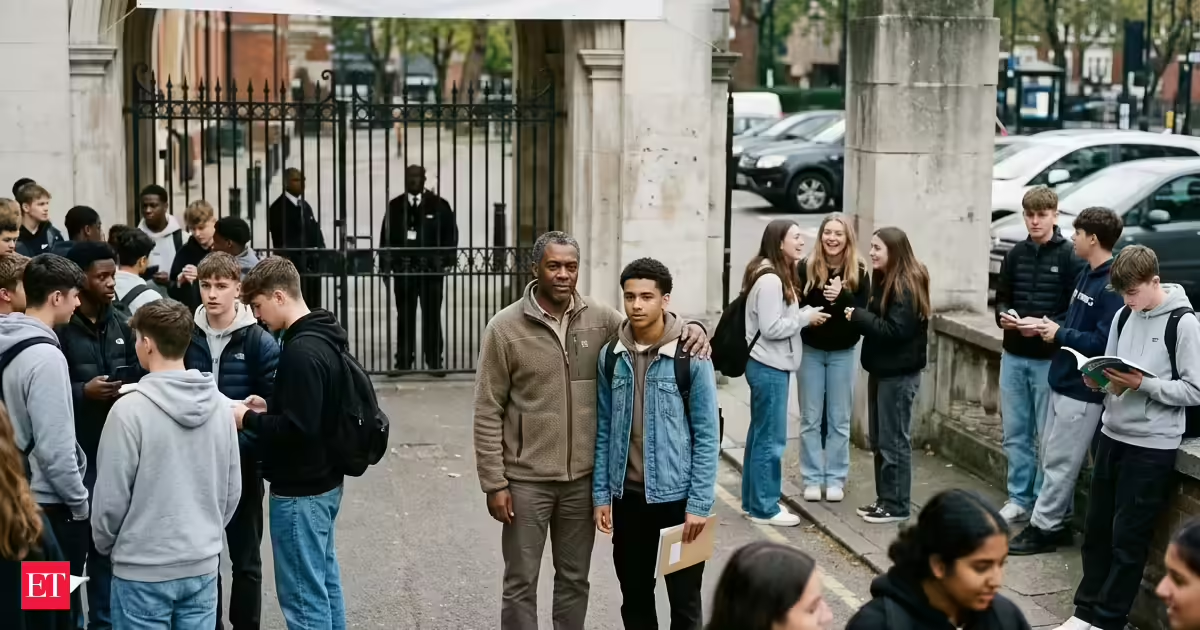
Psychology says fathers who take their children to competitive exams aren't simply accompanying them because they doubt their abilities. Many fathers wake up early, travel with their children, wait outside examination centres, and remain available until the exam ends. This has become a common sight during entrance tests, recruitment exams, and government examinations. Psychology explains that this behavior often comes from emotional bonding, responsibility, and a desire to reduce stress for their children. It also reflects the role parents play during important life events. Understanding this behavior helps explain why many fathers continue to support their children even after they become adults.Looking beyond the journey to the examination centreCompetitive examinations often decide admissions, careers, and future opportunities. Because of this, many students experience pressure before entering the examination hall. Many fathers choose to accompany their children during these important days. They may arrange transportation, ensure that required documents are carried, help reach the venue on time, and remain nearby until the examination ends.From the outside, some people may think this behavior is unnecessary or controlling. However, psychology suggests that there are deeper reasons behind these actions. In many situations, fathers are offering emotional support rather than supervision. Their presence can make children feel that they are not facing an important challenge alone.Psychology says fathers who take their children to competitive exams aren't controlling but offering emotional securityPsychology explains that emotional security plays an important role in human performance. During stressful situations, people often perform better when they know someone they trust is nearby. When fathers accompany their children, they create a sense of stability. They may not enter the examination hall or help answer questions, but their presence can reduce nervousness before the test begins.Many students say that having a parent nearby allows them to focus on the examination instead of worrying about transport, safety, or unexpected problems. This support often ends once the child enters the examination centre. It shows that the purpose is encouragement rather than control.You Might Also Like:What psychology says about this behavior?Psychologists explain that parental support continues throughout different stages of life. Even when children become adults, parents often remain emotionally involved in important milestones. Supportive parenting includes being available when needed without interfering with personal decisions.Accompanying a child to an examination can be seen as one form of emotional availability. Fathers may offer reassurance through conversation, practical help, or simply by being present. Research on family relationships shows that emotional support helps reduce feelings of uncertainty. It also strengthens confidence before stressful events. The behavior becomes healthy when children feel supported instead of pressured.Understanding the meaning behind this actionTaking a child to an examination is often a symbolic act. It tells the child that someone believes in their effort regardless of the result. Many fathers understand that examinations bring uncertainty. Instead of discussing scores or rankings repeatedly, they may focus on ensuring that the child reaches the venue calmly and comfortably.You Might Also Like:This message can reduce feelings of isolation. The action also communicates that success and failure will be faced together as a family. For many young people, this reassurance becomes more valuable than advice given before the examination.Why many fathers choose to do this?There are several practical and emotional reasons why fathers accompany their children to competitive examinations. Some examination centres are located far from home. Many exams begin early in the morning. Parents may want to avoid delays caused by traffic or transportation issues.Some students become anxious before examinations and appreciate familiar company during the journey. Fathers may also wait outside because they want to be available if any unexpected situation arises after the examination. In many families, this behavior becomes part of parental responsibility rather than an attempt to influence the child's decisions.You Might Also Like:Which psychology theory explains this behaviour?One psychological explanation comes from Attachment Theory, developed by John Bowlby. Attachment Theory explains that strong emotional bonds between parents and children create a secure base. People with secure emotional relationships often handle difficult situations with greater confidence because they know trusted individuals are available.Although Attachment Theory was first developed to explain early childhood relationships, psychologists later found that secure attachment continues to influence people throughout adolescence and adulthood. When fathers accompany children to competitive examinations, they may be acting as that secure base. Their presence reminds children that emotional support remains available during stressful moments.Another useful concept is Social Support Theory. This theory explains that emotional, practical, and psychological support helps individuals cope with stress. Knowing someone is nearby often lowers anxiety and increases confidence before challenging situations.The principle behind this parenting behaviorThe main psychological principle behind this behavior is perceived support. Perceived support means people believe that help is available whenever they need it. Interestingly, individuals do not always need active assistance. Simply believing that trusted people are nearby can reduce stress.For examination candidates, this feeling may improve concentration because they spend less mental energy worrying about external problems. The father's role becomes one of reassurance instead of control. His presence communicates trust, care, and emotional availability.What can people learn from this?This behavior highlights the importance of emotional presence. Support does not always require giving advice. Sometimes listening, waiting, or simply being available provides greater comfort. Parents can learn that encouragement should respect the child's independence.Children can understand that accepting support does not reduce their confidence or ability. Healthy family relationships allow both independence and emotional connection to exist together. When this balance is maintained, both parents and children benefit.Life lessons from this parenting behaviorThis behavior offers several lessons that extend beyond examinations.One lesson is that important moments become easier when people know they have support.Another lesson is that care is often expressed through actions rather than words.Waiting outside an examination centre may seem like a small act, but it reflects commitment and responsibility.The behavior also reminds families that emotional support should continue even as children grow older.Finally, it teaches that success is not measured only by examination results. The relationships built through trust, encouragement, and shared experiences also shape a person's future.FAQsQ1. Why do many fathers accompany their children to competitive exams?Psychology explains fathers often accompany children to provide emotional support, reduce stress, ensure safe travel, and create a sense of security before important examinations without limiting independence.Q2. Which psychology theory explains fathers taking children to examinations?Attachment Theory and Social Support Theory explain this behavior. Both suggest emotional availability and trusted relationships help reduce anxiety, improve confidence, and support better coping during stressful situations.You Might Also Like:
Psychology says fathers who take their children to competitive exams aren't controlling: What psychology explains about this parenting behavior
Psychology says fathers who take their children to competitive exams aren't trying to control every step of their lives. In many families, this behavior reflects care, emotional support, and a wish to reduce stress during an important event. Psychology explains that such actions can strengthen trust, provide security, and improve confidence. Understanding the reasons behind this behavior helps people see parental involvement from a different point of view.
1,080 words~5 min read