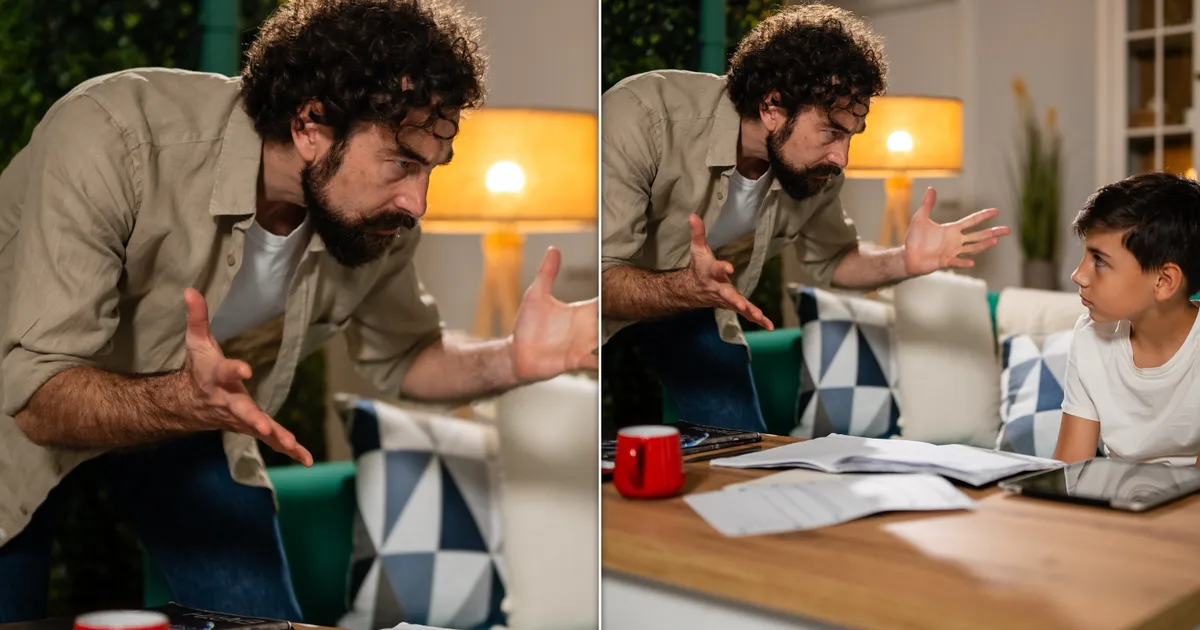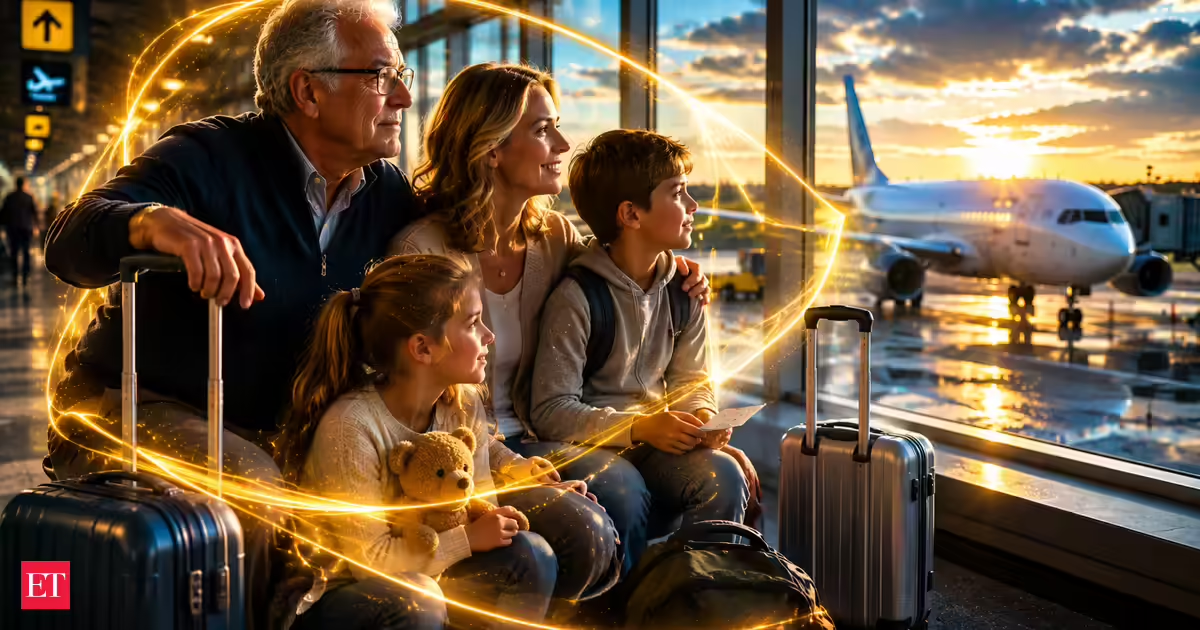
For many families, this scene is instantly recognizable. The flight is at 6 p.m. But dad wants to leave at 1 p.m. Everyone protests. Someone says they will be waiting for hours. Dad refuses to negotiate. The same thing happens with train journeys, weddings, doctor's appointments and school events. At first glance, it may seem excessive. But psychology suggests something deeper is happening. Many fathers are not simply obsessed with punctuality. They are often trying to reduce uncertainty before it becomes a problem. The habit may appear old-fashioned, but it is rooted in how the brain manages responsibility, risk and protection. Several psychological theories help explain why.Uncertainty Makes The Brain UncomfortableOne major explanation comes from Intolerance of Uncertainty Theory. Humans naturally dislike situations they cannot predict. Travel introduces countless unknowns. Questions immediately begin to form in the brain. What if there is traffic? What if parking takes too long? What if the train platform changes? What if security lines are crowded? Research from University of Cambridge has explored how uncertainty increases mental discomfort and encourages people to create safety strategies. Leaving early becomes one of those strategies. The extra time acts as insurance against unexpected problems.Fathers Often Carry Invisible ResponsibilityPsychologists also discuss something called role identity. People develop identities based on their responsibilities. Many fathers strongly associate themselves with being protectors and planners. This role creates invisible mental checklists.They often feel responsible for:Getting everyone there safelyPreventing mistakesAvoiding delaysReducing family stressModern example: Many fathers still print boarding passes, check maps multiple times and track traffic hours before leaving home. The actions are less about perfection and more about preparedness.You Might Also Like:Prospect Theory Explains Why Missing A Flight Feels WorseAnother explanation comes from Prospect Theory, developed by Daniel Kahneman and Amos Tversky. The theory suggests humans fear losses more than they value equivalent gains. Waiting at the airport for two extra hours feels mildly inconvenient. Missing a flight feels disastrous. The brain naturally chooses the option with the lower perceived risk. From this perspective, arriving early becomes a rational trade-off. The inconvenience is acceptable because the potential loss feels much bigger.Experience Builds Strong Mental ModelsMany fathers also rely heavily on experience. Psychologists refer to this as pattern recognition. After decades of life experiences, people remember situations where small delays created major problems. Perhaps they once got stuck in traffic. Perhaps they nearly missed a train years ago.Those memories stay active. The brain learns a simple lesson: "Leave early and avoid stress." For example: People who travel frequently often become more cautious because they have personally experienced delayed security checks, road closures and last-minute disruptions.Planning Creates A Sense Of ControlAnother explanation comes from Control Theory. Modern life is unpredictable. People cannot control weather, crowds or transportation systems. But they can control one thing. Departure time. Leaving early gives people a sense of agency. The brain quietly says: "If we leave now, we've already solved half the problem." This creates emotional relief.Generational Experiences May Play A RoleMany fathers grew up in environments that rewarded punctuality. Being late was often associated with carelessness. Research from University of Oxford has explored how routines and predictable behaviors contribute to feelings of stability. Over time, punctuality transforms from a habit into a personal value. It becomes part of their identity. For example: Younger generations often rely on GPS apps and real-time updates, while many fathers prefer building large time buffers instead of depending entirely on technology. Neither approach is necessarily wrong. They simply reflect different comfort levels with uncertainty.Why This Habit Is Usually About Love, Not ControlThis may be the most misunderstood part. Family members often assume fathers are trying to control everyone. Psychology suggests something else. Many fathers are trying to protect everyone's peace of mind. They are imagining problems before they happen so others do not have to. Of course, not every father behaves this way. And not every punctual person is a parent.Psychology rarely works in absolutes. But this habit often reflects a powerful human instinct. Responsibility changes how people think. The more people care about protecting others, the more they begin planning ahead. Sometimes, fathers are not trying to get everyone to the airport early. They are trying to make sure nobody has to experience unnecessary stress later. In their minds, arriving early is not wasted time. It is peace of mind that was purchased in advance.FAQsWhy do many fathers insist on arriving early everywhere?Psychology suggests many fathers use extra time as a buffer against uncertainty and unexpected problems.Is arriving too early a sign of anxiety?Not necessarily. It is often a planning strategy designed to reduce stress and create predictability.
Psychology says fathers who often insist on arriving hours early for flights or trains are not being overdramatic, they are trying to protect the family against uncertainty
Psychology rarely deals in absolutes, but this habit often reflects a deeply rooted human instinct. Responsibility can reshape the way people think, causing them to anticipate problems before they happen. The more someone feels responsible for the well-being of others, the more they naturally begin planning ahead.
TL;DRAI
Fathers arrive early to buffer uncertainty through planning—a behavior rooted in responsibility and control instincts, per psychology research. Tech managers recognize this principle directly: proactive planning and uncertainty reduction prevent cascade failures and operational friction.
767 words~3 min read