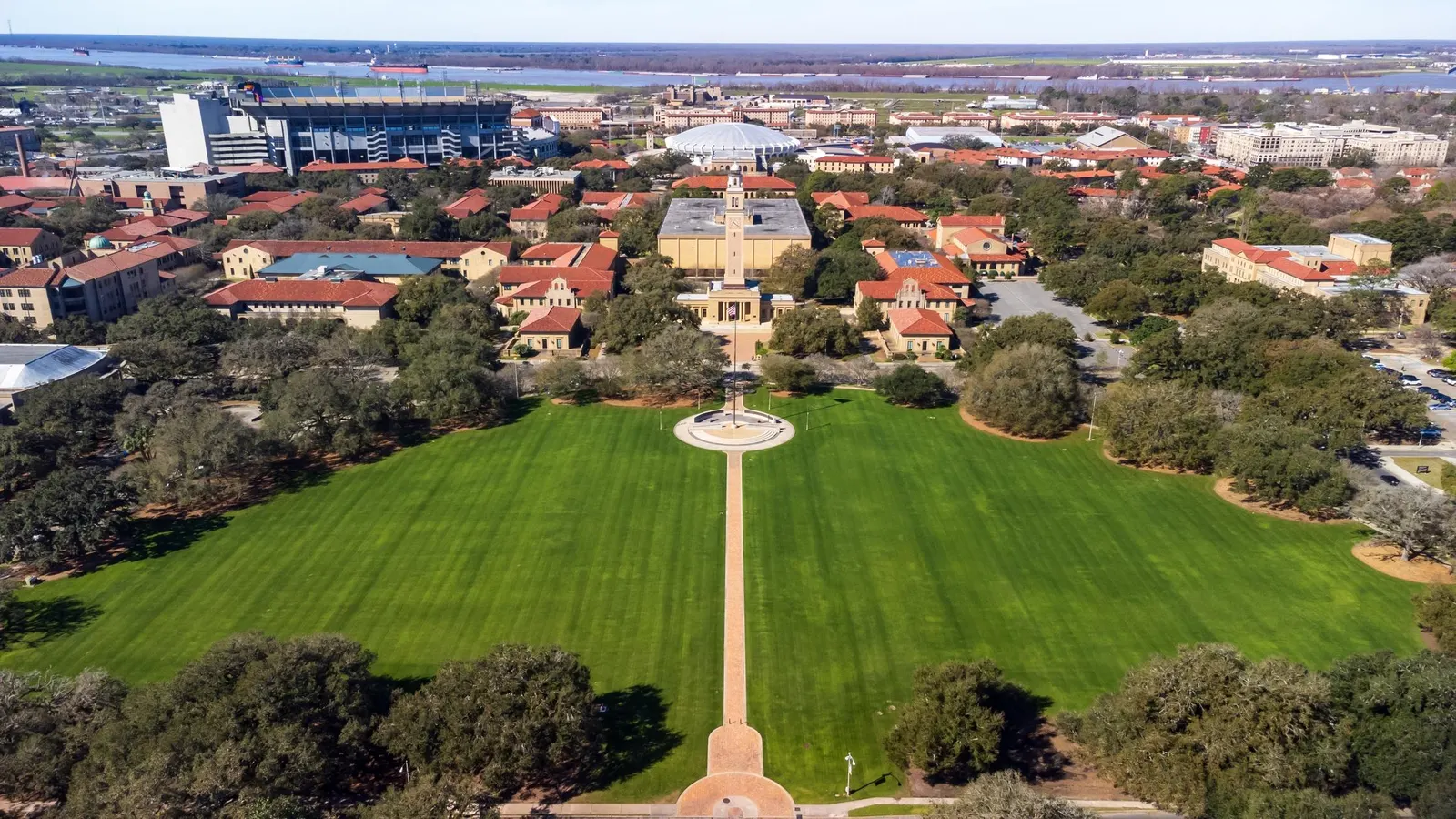
Temple University is facing a budget deficit projected to reach $85 million for the upcoming academic year.gettyFacing a continuing budget deficit projected to reach $85 million next year, Temple University President John Fry has warned the campus that “some reduction in force is inevitable" as the university continues to try to close its budget gap. In his message to the campus last Friday, Fry wrote that Temple’s structural budget deficit has run approximately $100 million over the past three fiscal years, which the university has used its reserves to help cover. However, as he indicated earlier in the year, that strategy is not sustainable so Temple is turning to other means. Last summer, it implemented a 5% cut in compensation costs and introduced a Voluntary Retirement Incentive Program. That offer resulted in more than 70 faculty deciding to retire early, saving the university about $15 million annually and reducing the size of the additional cuts that are now still necessary.A $60 Million TargetFry indicated that each school, college and administrative unit had been give a budget reduction target that collectively totaled about $60 million, which he said represented “an important first step toward returning the university to a balanced budget over the next three years.”While those reduction plans are now in place, some layoffs would be inevitable, Fry warned, “given that nearly 70% of Temple’s operating budget is spent on compensation and benefits.” He did not indicate how large of a reduction in force would be necessary, but he promised “that any employee’s separation from the university will be handled equitably and compassionately.” A Move To a Centralized BudgetTemple is also moving away from its decentralized Responsibility Center Management budget model and replacing it with a centralized budget structure on July 1 that will give university administrators a stronger hand in managing the university financial affairs. The new “One Temple” budget process will allow Temple’s central administration to exert greater authority over unit budgets, internal funding decisions, the use of performance metrics, and the allocation of tuition dollars.MORE FOR YOUThe new budget model will begin in the upcoming year and be more fully implemented in fiscal year 2028, but its complete implementation could take up to three years.In addition, Fry is seeking to make faculty “a key partner in the budget planning process” through their participation in a new Budget Advisory Committee, as well as through “discussions with university leadership regarding financial conditions, budget priorities and resource allocation decisions.”Enrollment WoesLeading to Temple’s financial woes is a decrease in enrollment of approximately 10,000 students since 2017, reducing gross tuition revenue by approximately $200 million. In addition, Temple’s state appropriation has remained basically flat for the past several years despite significant increases in operating costs. Fry pointed to a recent uptick in enrollment and the fact that first-year undergraduate and transfer student deposits were up year over year as encouraging signs, but he acknowledged that “navigating through this stark financial reality is not easy; I recognize the difficulty of this present moment.”Budget deficits have become regular occurrences at major universities across the nation in the past few years, the result largely of enrollment declines, federal research cutbacks, and inflationary increases. The past few weeks have been no exception. In addition to Temple’s financial problems; Johns Hopkins University announced it was laying off about 110 employees due to cut in federal research spending, Syracuse University revealed that because of failing to meet its enrollment goals, it would run a deficit for the upcoming academic year, and a 20% enrollment decline prompted The New School in New York City to lay off 19 faculty members and 68 staff.
Facing $85 Million Deficit, Temple President Says Layoffs Are “Inevitable”
Facing a deficit that may each $85 million, Temple University President John Fry has said a reduction in force is "inevitable" if the university is to close the gap.
604 words~3 min read