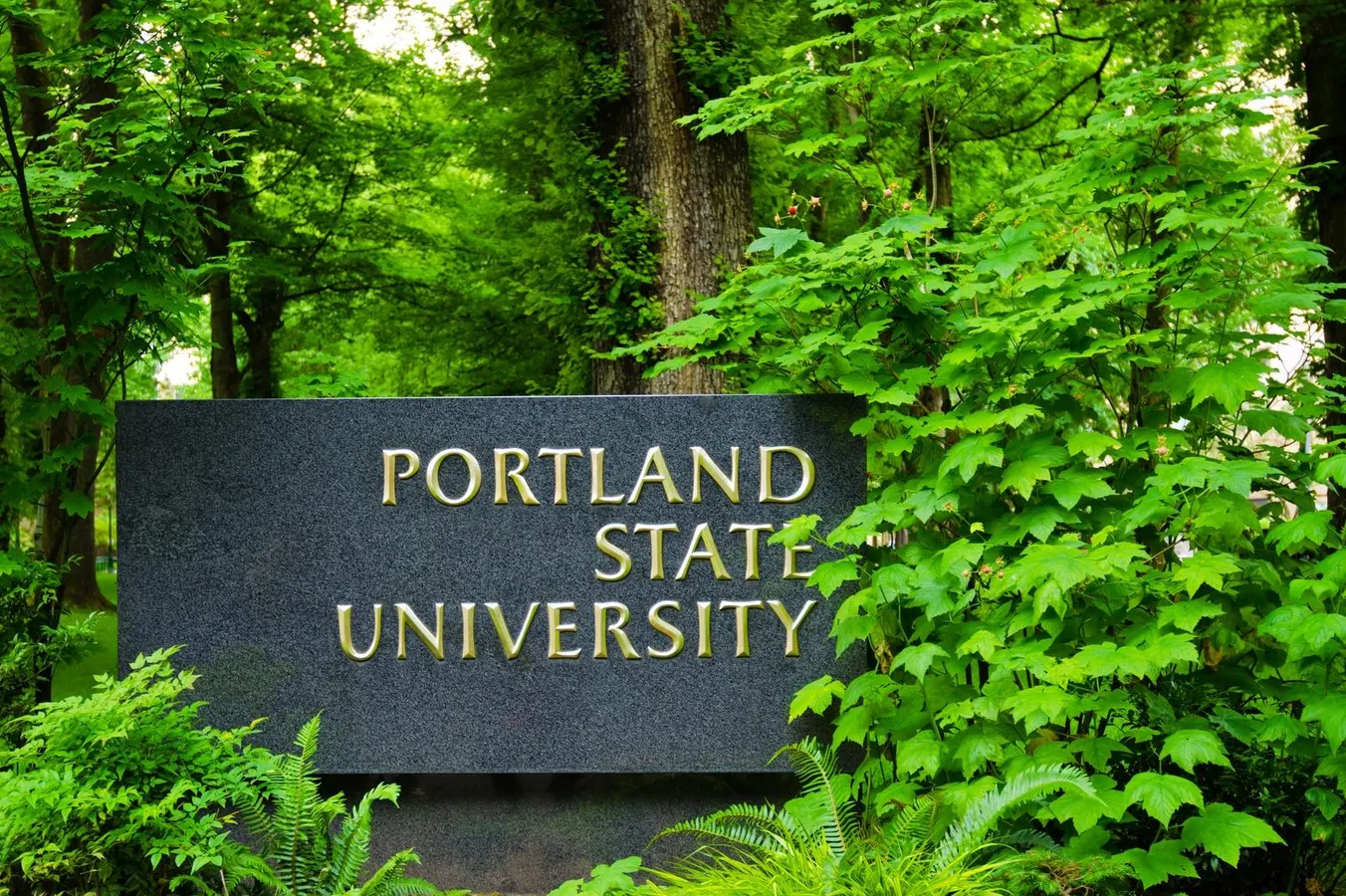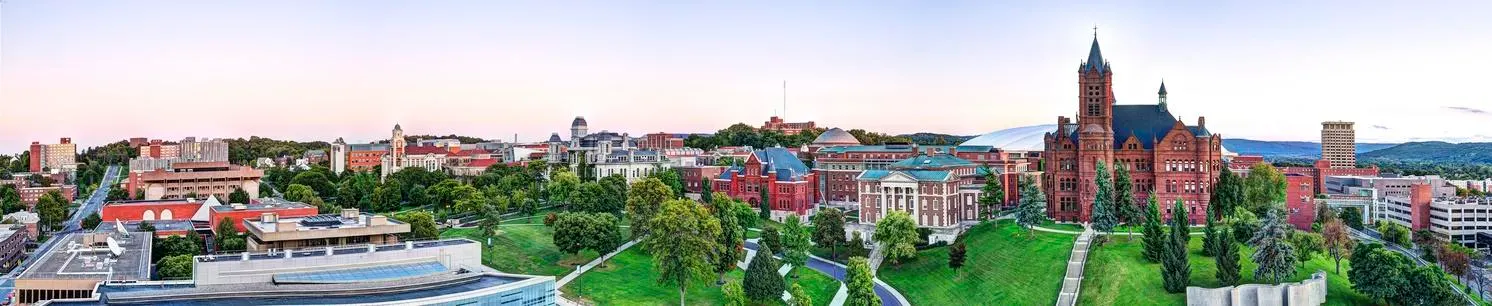
The nation's colleges continue to struggle financially in 2026, resulting in more closures and now a bankruptcy.gettyApril was a very bad month for the nation’s colleges and universities, with mounting financial difficulties prompting a wave of program restructuring, personnel cutbacks, institutional closures and now one university bankruptcy. The sources of the budget problems are well-known — stagnant or declining enrollment, federal funding reductions, a sharp drop in international students, inflated operating costs and shifting student demands — and the seriousness of the problem is revealed by the breadth of the institutions that have announced drastic moves in the past two months as the entire higher education sector continues its struggles to adjust to economic realities. Program And Staff Restructuring Since March of this year, a growing number of institutions have closed or consolidated academic programs, offered early retirement buyouts, instituted hiring freezes, or fired staff. Syracuse University announced a buy-out to about 175 of its faculty members as an incentive for them to take retirement. That offer came against the backdrop of the university’s earlier decision to pause or close 93 academic programs following an academic portfolio review.As part of what it termed a program vitality review, Iowa State University plans to close 10 academic program and merge or consolidate another 13. MORE FOR YOUFaced with a budget deficit projected to reach $45 million, the University of North Texas announced last month that it will close or consolidate 85 of its academic programs.On April 1, the Indiana Commission for Higher Education concluded a review of degree programs in cooperation with all of its state institutions. As a result of that review, more than 200 low-enrollment degree programs are being shuttered or suspended, and hundreds more will be merged or consolidated with other programs.Facing substantial budget deficits, large-scale reductions have also been necessitated at Portland State University, the New School, the University of Maine, and the University of Denver in the past few weeks.Most recently, East Carolina University officials indicated they will discontinue 44 undergraduate and graduate programs as they try to eliminate about $25 million in expenses. And, facing a 10% cut in its state appropriation, the University of Maryland flagship campus at College Park announced this week that it will institute a hiring freeze and reduce its workforce by at least 150 employees.Institutional ClosuresSince February, at least four private colleges have announced their outright closure, each the result of prolonged financial struggles. Providence Christian College in Pasadena, California revealed that it would close at the end of the current academic year. Lourdes University in Ohio is shuttering its doors at the conclusion of this spring semester. Financial woes have overtaken two private colleges in Massachusetts — both Hampshire College and Anna Maria College issued statements this month indicating that they would cease operations in the coming months.A College Declares Bankruptcy This week, Saint Augustine’s University, a private Black college in North Carolina, took the unusual step of filing for Chapter 11 bankruptcy. While the university said it plans to reorganize its debt so that it can remain open and operating, serious questions remain as to whether that strategy will prove successful. The institution’s Board of Trustees said the bankruptcy would allow the institution to “organize its financial affairs in an orderly and transparent manner” and “reflects a deliberate and strategic step to advance the University’s long-term sustainability while addressing current financial realities.”That assessment may be overly optimistic. Bankruptcy is rarely declared by colleges because it means that their students will no longer be eligible for federal financial aid, and Saint Augustine’s has already seen its enrollment crater by about 80% in recent years. Saint Augustine’s also said it would drop its lawsuit against the Southern Association of Colleges and Schools Commission on Colleges, which had revoked the school’s accreditation, in large measure because of continuing financial difficulties and management concerns. The university appealed that decision, and after SACSCOC denied the appeal, the institution sued the accreditor and was granted a preliminary injunction that allowed it to maintain its accreditation temporarily. Now, the Board of Trustees has decided “that continuing litigation would not be a prudent use of resources,” promising that the university “will instead focus on supporting students through teach-out agreements, developing non-degree certificates and apprenticeship programs, and building a pathway toward reaccreditation.” The Board said that decision was reached “in cooperation with its accreditor.” The university will once again become unaccredited after May 15.Saint Augustine’s faces formidable obstacles in regaining a firm financial footing. According to its bankruptcy petition, it owes more than 200 creditors somewhere between $50 million and $100 million in total, including more than $14 million to the Internal Revenue Service. In its filing, the university claims it has $100 million to $500 million in assets.During its reorganization, the university is receiving some financial support from its primary lender, Self-Help Ventures Fund, which is offering a short lifeline that the institution said demonstrates confidence in its future.Along with the bankruptcy declaration and decision to end its litigation against SACSCOC, Saint Augustine’s also announced that Jennie Ward-Robinson, its recently named interim president, had stepped down and is being replaced by another interim, Verjanis A. Peoples. That turnover is only likely to add to the perception of an institution standing on its last legs. Colleges In Survival ModeAny hope that the small enrollment rebounds higher education has seen in the past two years would make for a more fiscally sound 2026 is quickly evaporating. If anything, financial downturns seem to be accelerating as more institutions are forced into survival mode, combining large-scale retrenchments with a desperate search for new revenue in order to remain financially viable.
Financial Woes Lead To More College Cutbacks, Closures And A Bankruptcy
April was a very bad month for the nation’s colleges, with budget woes prompting a wave of program restructuring, staff cutbacks, closures and one university bankruptcy.
939 words~4 min read