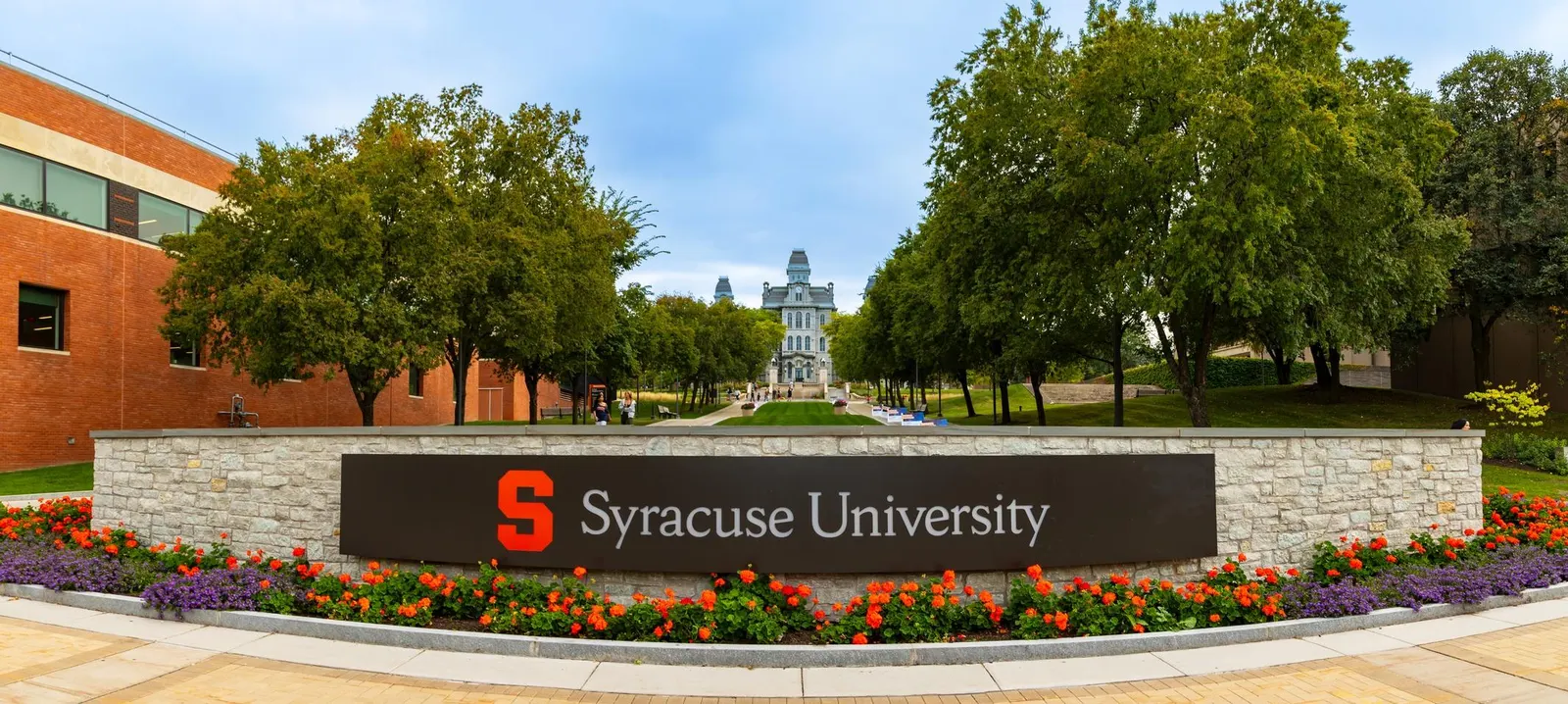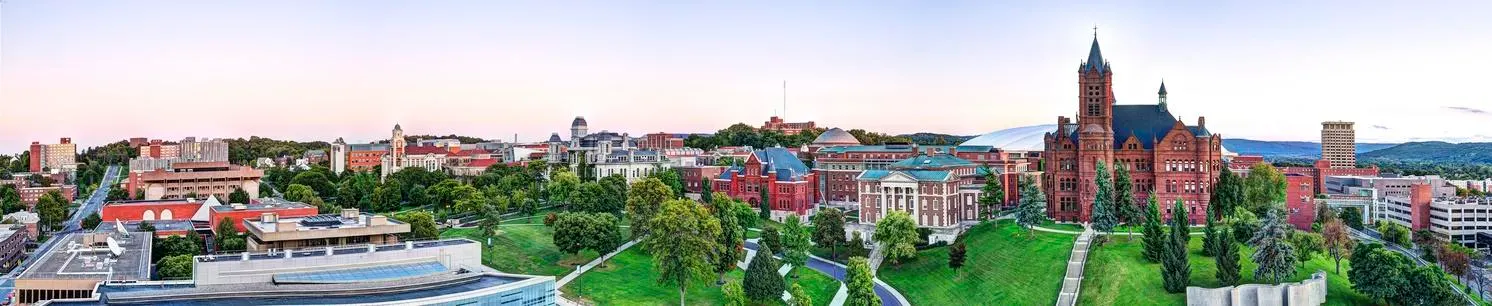
Syracuse university is the latest university to undergo a major restructuring of its academic programs.gettyWhether because of financial difficulties, sagging enrollments or a desire to align their curricula with shifting student demands, more colleges and universities are purging academic programs, with those in the humanities and arts often the hardest hit. The past few days have seen the large-scale closure or sunsetting of hundreds of academic programs at the public universities in Indiana, and yesterday Syracuse university announced it would consolidate, end, or pause almost 100 of its undergraduate and graduate programs. Those announcements add to the almost weekly news of another college or university eliminating large numbers of academic degree programs. Indiana’s Statewide ReviewOn April 1, the Indiana Commission for Higher Education concluded a review of degree programs in cooperation with all of its state institutions. Of the approximately 2,300 degree programs offered by those institutions, more than 1,000 fell below the following statutory thresholds, based on a rolling three-year average:10 graduates for an associate degree15 graduates for a bachelor’s degree7 graduates for a master’s degree3 graduates for an educational specialist degree or a doctorateCollectively, the 1,000 flagged degree programs served about 4% of all Indiana public higher education graduates. A complete list of the affected programs can be found here.A total of 210 low-enrolled degrees identified by the public universities and the commission will be suspended or eliminated; 50 of those programs had zero enrollments. Examples of the programs being shuttered are a master of science degree in architecture at Ball State University, a master’s in industrial technology at Indiana State University, an associate’s degree in liberal studies at Indiana University, and two master’s degrees in Agriculture and Defense Engineering and Technology at Purdue University. MORE FOR YOUAnother 374 degrees will be merged or consolidated within similar degree programs, giving students the opportunity to complete their current degree through a “teach-out” arrangement.An additional 280 new degree programs that had started enrolling students in recent years will be temporarily exempted from the thresholds while they attempt to ramp up student enrollment. The commission will re-evaluate those programs over the next several years.About 140 degree programs will be allowed to continue under an “improvement plan.”In addition to those actions taken by the Commission on Wednesday, the institutions in Indiana had already voluntarily streamlined or committed to streamline 372 under-threshold programs. Those actions did not require Commission approval. “At its core, this work is about ensuring higher education continues to deliver on its promise,” said Dr. Katie Jenner, Indiana Secretary of Education, in a press release. “Students and their families invest significant time, money, and trust into postsecondary education, and they deserve confidence that programs are viable, aligned with student interests and workforce needs, and positioned to deliver real outcomes. By right-sizing degree pathways across the state, we can continue to strengthen higher education in Indiana through increased transparency and improved alignment with student interests and real career opportunities.”Syracuse UniversitySyracuse University is pausing or closing 93 of its academic programs following a months-long academic portfolio review that had been directed by its Provost Lois Agnew. That represents about 20% of its academic programs, according to a memo Agnew sent the campus in which she wrote that the moves would help create a university “more focused, more distinctive and more aligned with student demand.”Among the 93 programs being closed or paused, 55 had zero students enrolled, and 28 are advanced certificate programs. In total, 258 students, roughly 1.2% of the student population, are enrolled in the affected programs, and they all will be given the opportunity to complete their degree, said Agnew.Many of the affected programs were in the humanities and arts and included undergraduate degrees in classics, fine arts, several foreign languages, painting, music composition and music performance. Courses in those areas will still be offered, and in several cases, the major that’s slated to be closed will be subsumed under a broader field of study. In addition, minors in several of the subjects will continue to be offered.Agnew wrote that she wanted “to emphasize this was not a cost-cutting exercise, and it was not aimed at eliminating departments or people,” adding that “no positions have been identified for elimination.”While financial concerns might not have motivated the Syracuse downsizing, that’s not the case at scores of other colleges and universities that have turned to program closures as part of their attempt to manage financial shortfalls and declining enrollments. For example, just last month, the University of North Texas announced that it would close or consolidate 85 of its academic programs as it tries to reduce a projected $45 million budget deficit. That decision follows actions at dozens of other major universities to pare their academic offerings and begin to limit admissions in some of their graduate programs. The other phenomenon driving the spate or program closures is student demand. A recent analysis by the American Enterprise Institute concluded that “today’s college students are choosing majors with a higher return on investment.” That report found that colleges are awarding more undergraduate degrees in high-wage fields of study like engineering, computer science, and nursing, while “low-wage majors such as history, English, and sociology have seen student interest wane.” As students vote with their feet, institutions are following in their footsteps and making market-driven adjustments to their program offerings.
Academic Purges Continue As More Colleges Close Their Degree Programs
The past few days have seen more degree program purges, with large-scale academic closures or pauses at Indiana's public universities as well as at Syracuse university .
885 words~4 min read