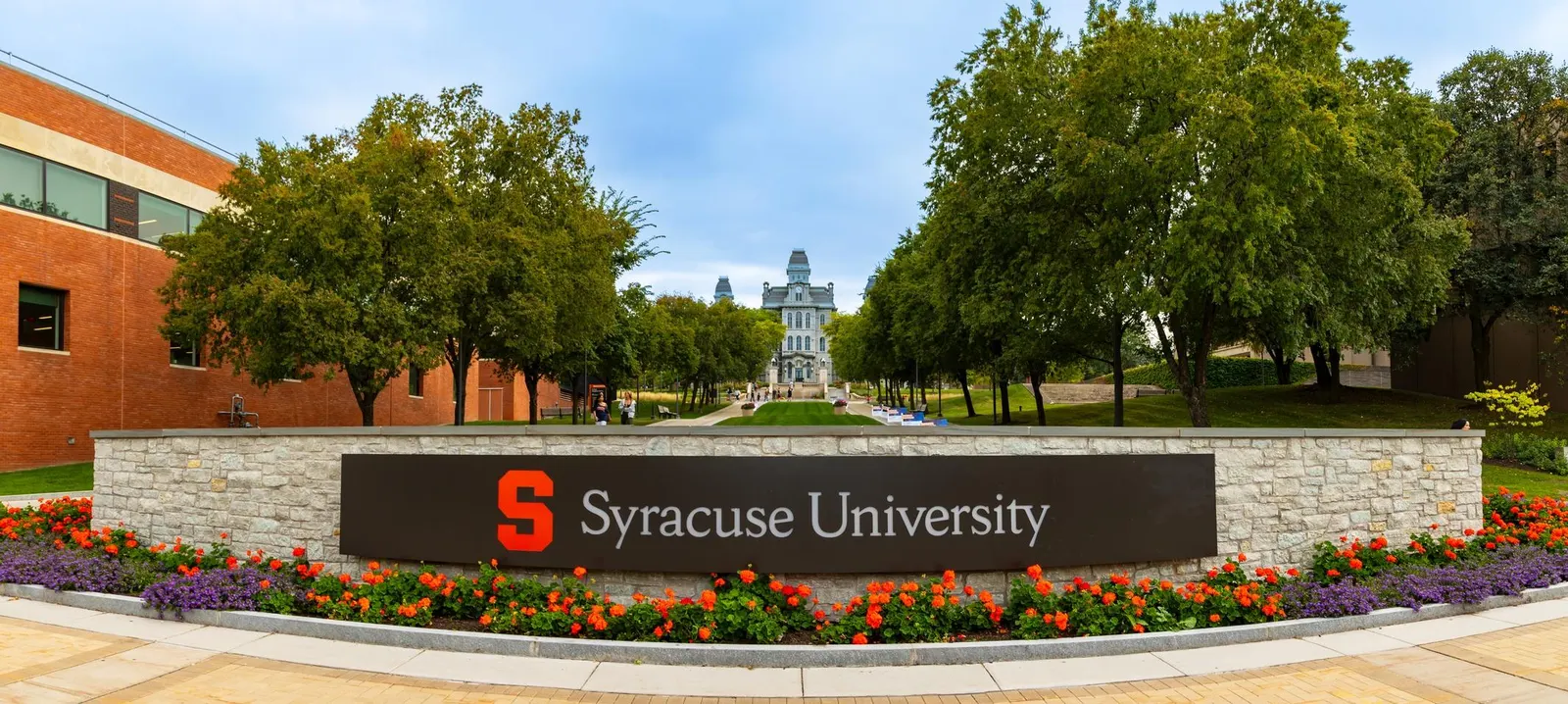
Syracuse University will offer an incentive for up to 175 faculty to retire. gettySyracuse University has announced that it is offering an incentive to about 175 of its faculty members to take retirement. The announcement, made last Friday in an email by Syracuse Provost Lois Agnew and first reported by The Post Standard, comes against the backdrop of the university’s recent decision to pause or close 93 academic programs following an academic portfolio review that Agnew had initiated last year.The program downsizing, which represents about 20% of the university’s academic programs, is intended help create a university that is “more focused, more distinctive and more aligned with student demand,” according to Agnew.Among the programs being closed or paused, 55 had zero students enrolled, and 28 are advanced certificate programs. In total, 258 students, roughly 1.2% of the student population, are enrolled in the affected programs, and they all will be given the opportunity to complete their degree, said Agnew.EligibilityFaculty would be eligible for the buyouts if they have 35 or more years of service at the University or if their primary appointment is in a school or department with an undergraduate program that has been identified for closure, is experiencing sustained low enrollment, or has suffered a significant enrollment decline over the past several years. The Incentives Under the terms of the plan, participating faculty would receive:MORE FOR YOUa lump-sum payment of two weeks of pay for every year of credited service, up to a maximum of 100% of their current base salary;a supplemental payment of $500 per year of credited service, up to a maximum of $15,000; andaccess to retiree benefits, such as the institution’s retiree health plan, tuition assistance programs and other post-retirement resources.Faculty who already have an existing retirement agreement with a planned retirement date could still elect to take the incentive and either receive a prorated amount, or retain their current agreement. Their total financial benefit would not exceed what is already documented in their existing agreement, but their retirement date would change to Aug. 16, 2026, which is the effective retirement date for faculty electing to take the incentive. Syracuse University employs about 900 tenured or tenure-track faculty.Participation in the new retirement program is “entirely voluntary,” wrote Angew. The deadline for faculty to take the deal is May 15, 2026.Programs Affected Many of the affected programs at Syracuse are in the humanities and arts and include undergraduate degrees in classics, fine arts, several foreign languages, painting, music composition and music performance. Courses in those areas will still be offered, and in several cases, the major that’s slated for closure will be subsumed under a broader field of study. In addition, minors in several of the subjects will continue to be offered.When describing the sunsetting of these academic programs earlier this month, Agnew wrote that she wanted “to emphasize this was not a cost-cutting exercise, and that it was not aimed at eliminating departments or people." However, it’s clear that the new retirement incentive is an attempt by Syracuse to address the kind of financial headwinds that so many universities are currently facing. According to the university’s webpage describing the program, it is meant to support “academic portfolio alignment and long-term financial sustainability” by allowing “the University to better align faculty resources with enrollment trends and institutional priorities.”A combination of sagging enrollments, decreases in international students, federal disinvestments, and shifting student demands are causing colleges and universities to scramble to find ways to save money. Purging academic programs has become an increasingly common action. And now, incentivized retirement programs, like that at Syracuse, also are picking up steam. Boston University, the University of Kansas and Kenyon College are examples of other institutions that have recently introduced faculty retirement incentives.
Syracuse University Offers Voluntary Retirement Incentive To 175 Faculty
After announcing it was pausing of closing 93 academic programs, Syracuse University will offer an incentive to about 175 of its faculty members to take retirement.
623 words~3 min read