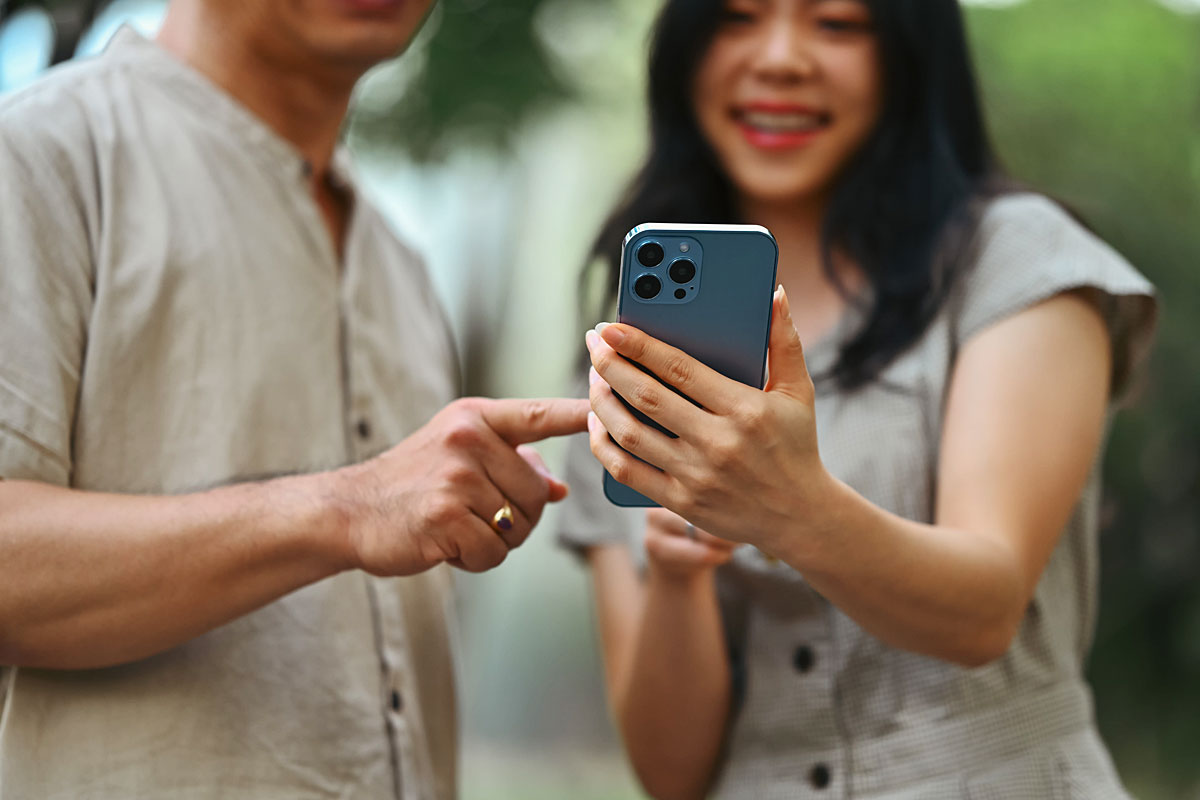
The most useful AI gadget for expatriates in Thailand may not be a robot, a smart speaker or a laptop priced like a small motorbike. It may be the smartphone already sitting beside their morning iced coffee, quietly judging their screen time while helping them translate Thai messages, plan trips, manage work calls, read banking alerts and understand condominium notices that seem to have been written by a committee in a hurry. For years, smartphone makers sold progress by touting sharper cameras, brighter screens and processors with names that sounded like comic-book villains. Now the battle is moving towards something far more interesting: usefulness.
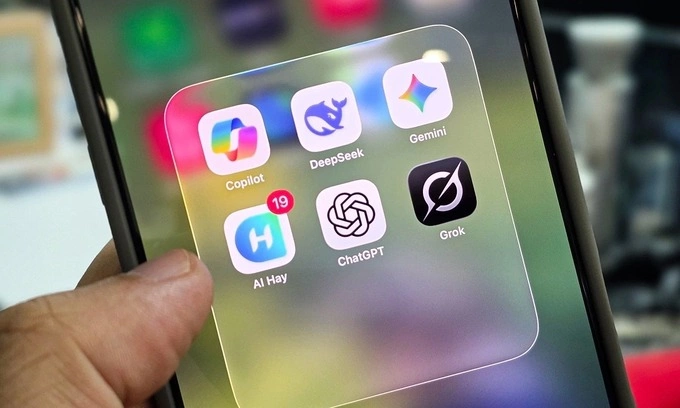
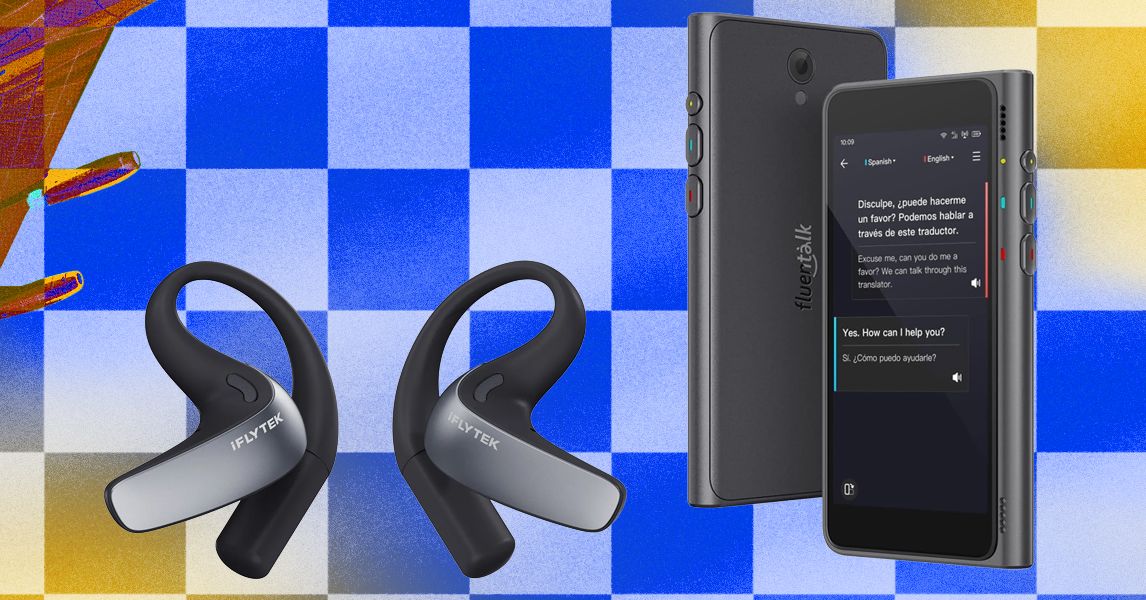
The new generation of AI phones is being marketed less as luxury hardware and more as a daily survival kit. Live translation, voice transcription, AI photo editing, writing help and smarter assistants are becoming the features that separate genuinely helpful phones from those simply wearing an AI badge and hoping nobody asks too many questions.
That matters in Thailand, where the smartphone is already close to being a passport, wallet, translator, map, taxi dispatcher, restaurant guide and emotional support rectangle.
For many expats in Thailand, it is the device that books a ride, pays for noodles, finds a clinic, translates a school notice and helps determine whether a menu item is soup, salad or something that may challenge one’s entire understanding of breakfast.