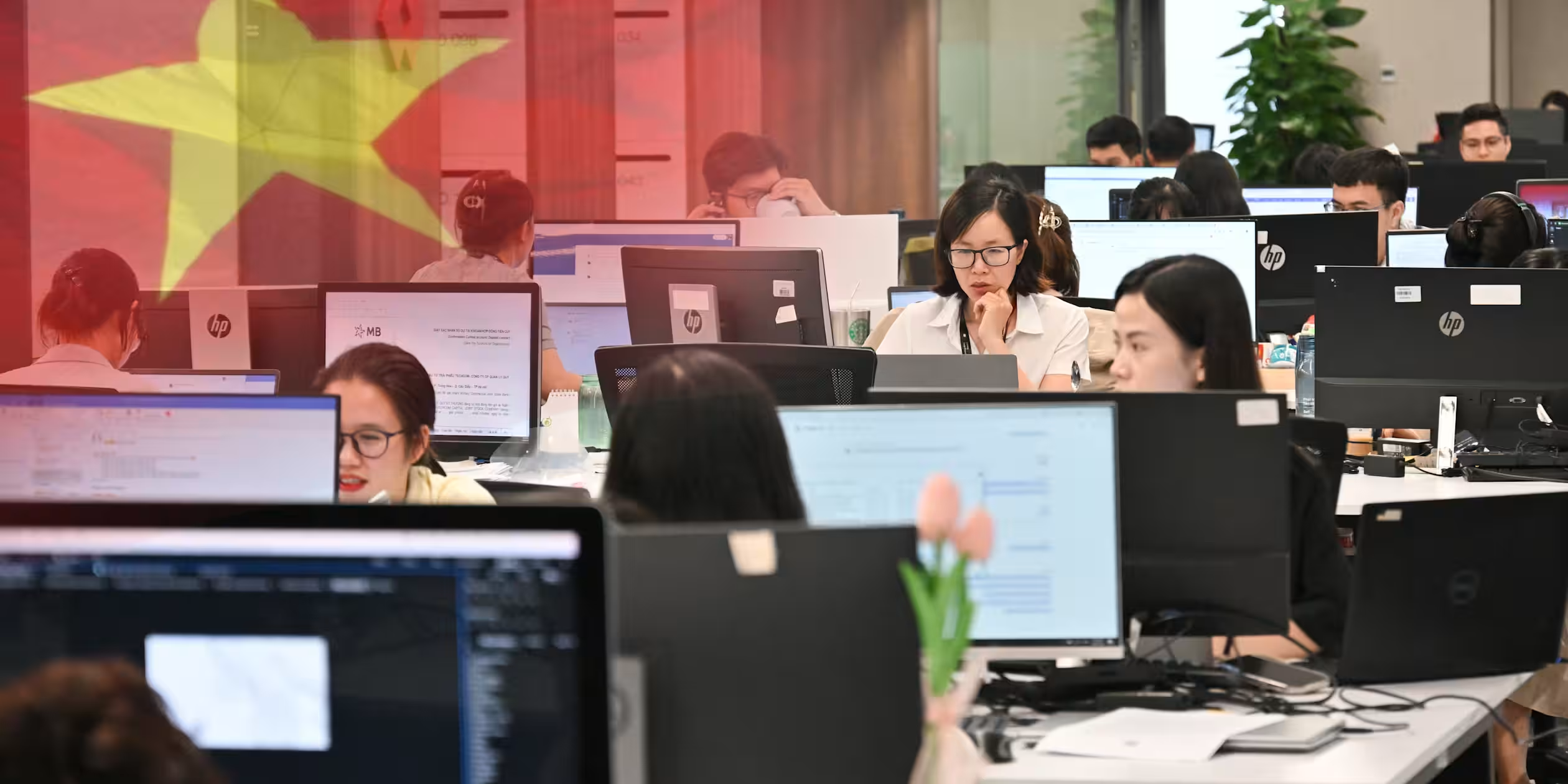
Minh Thu, who works on a content team at a large corporation in Hanoi, has been paying with her sleep and her health. A year ago her team had six people; today it has three.
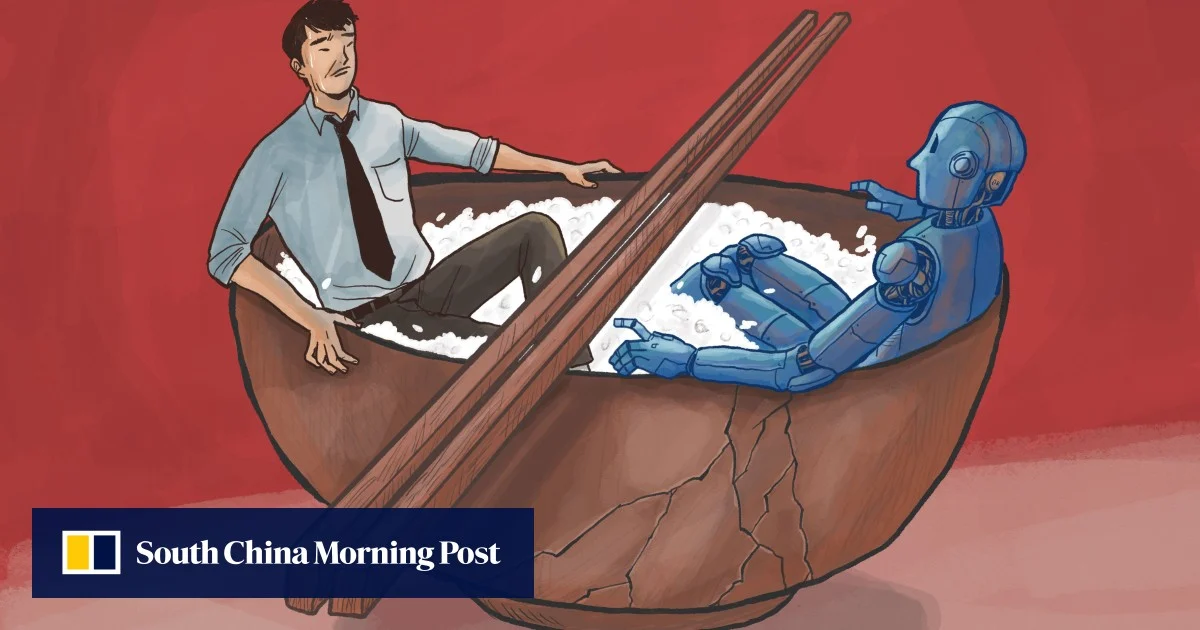
Her manager set the new terms bluntly: AI now handles 70% of the basic work, so the people who remain must deliver the other 30% at an exceptional level "or leave," she recalled. To prove she was "still worth more than an algorithm," she stretched her days from eight hours to 14.
"Every time my boss praises a new AI tool in the group chat, I push myself to work more and faster," she said. The fear of error is constant. "If I make a mistake, the company docks it straight from my salary and my performance review, so I can't eat or sleep properly."
Hoang Long, a 30-year-old communications worker at another firm, hit the wall harder. When his company brought in AI to generate content, management cut project deadlines from two weeks to five days on the logic that "AI is helping now."
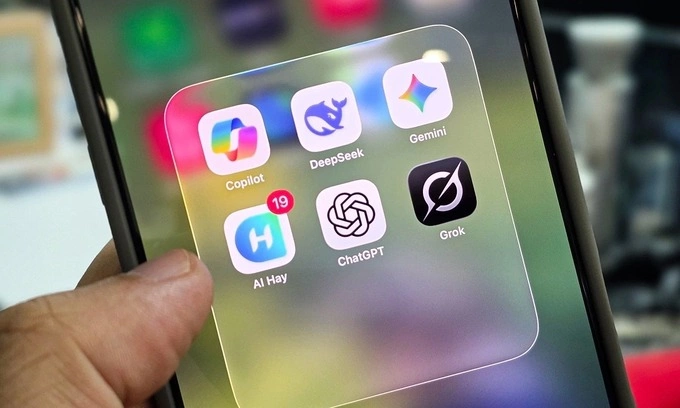
Running three or four tools at once to write copy, design graphics and check data, he collapsed at the office in mid-May from low blood pressure and exhaustion, and a doctor ordered him to take leave.