In May, the Department of Education finalized its framework under the “Reimagining and Improving Student Education” (RISE) rules and made a technical distinction that carries life-or-death stakes for the American health care system. By capping annual federal borrowing for standard graduate students at $20,500 while preserving a $50,000 threshold for an exclusive list of 11 “professional” degrees, the administration attempted to use a balanced ledger to codify a dangerous misunderstanding of modern medicine. The new caps go into effect Wednesday.
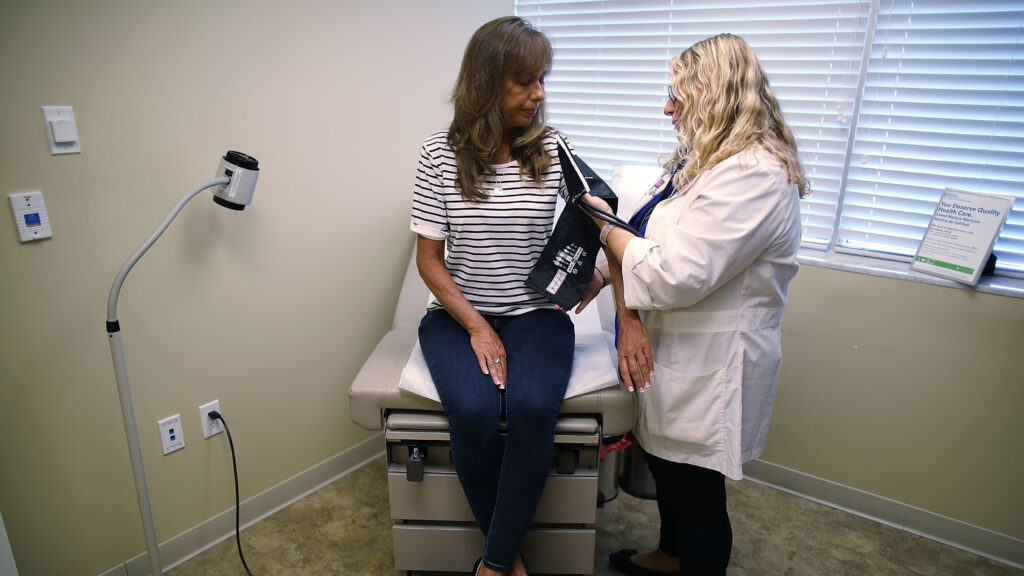
A lawsuit filed by the American Nurses Association (ANA) and nine other national nursing organizations highlights a glaring absurdity: Under the new framework, an aspiring chiropractor qualifies for maximum federal borrowing, while advanced practice nurse practitioners (NP) and physician assistants (PA), both key to fulfilling existing and anticipated shortages in primary care and rural health nationwide, are locked out. Further, growing fields like cardiovascular perfusionists, more and more involved in ICU care, field resuscitation, organ preservation, and other support roles, remain unrecognized.
While the DOE says this is not a “value judgment,” the new rules drastically overlook important needs in American health care — not so great, insufficiently healthy, and definitely not beautiful.