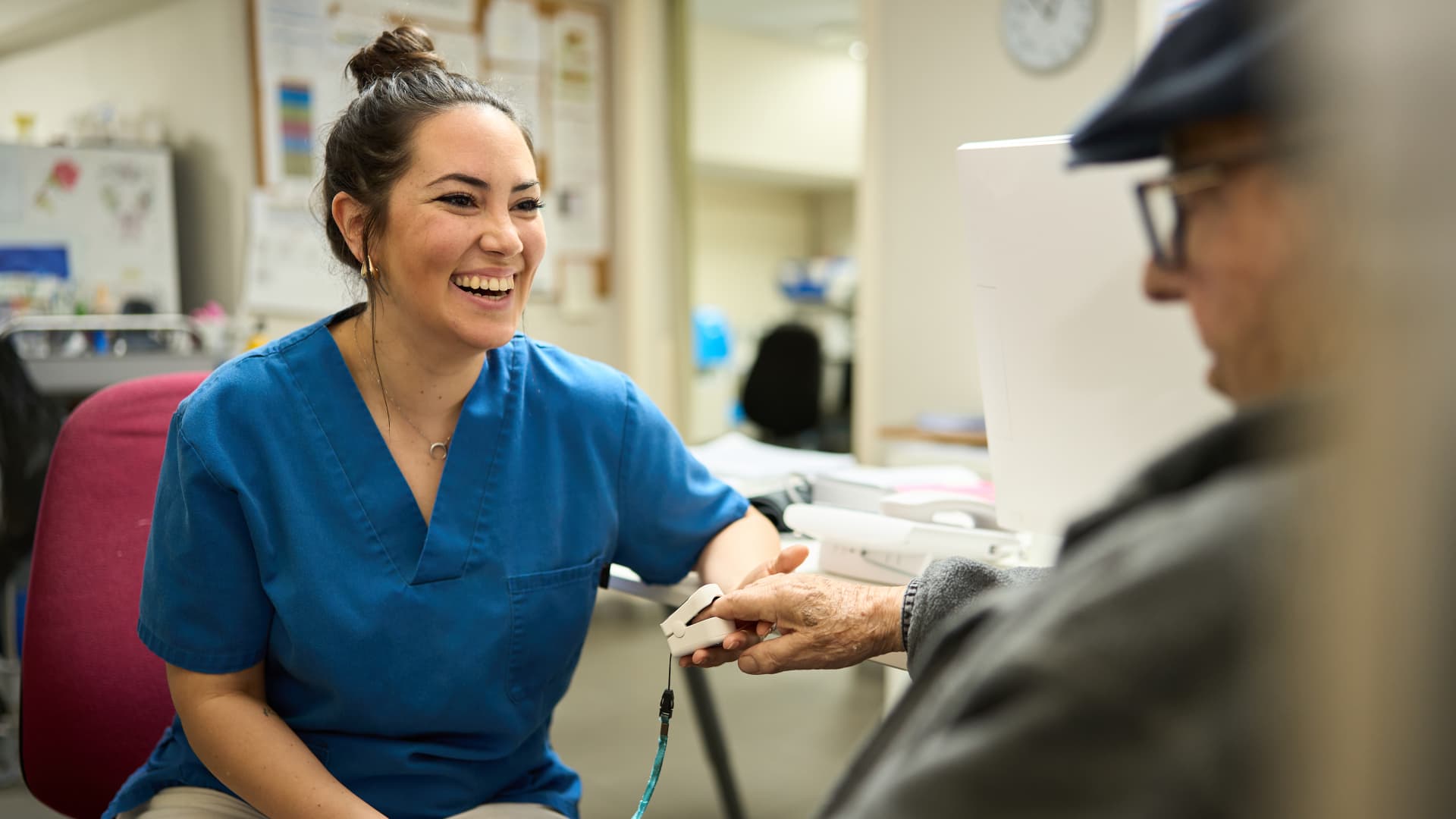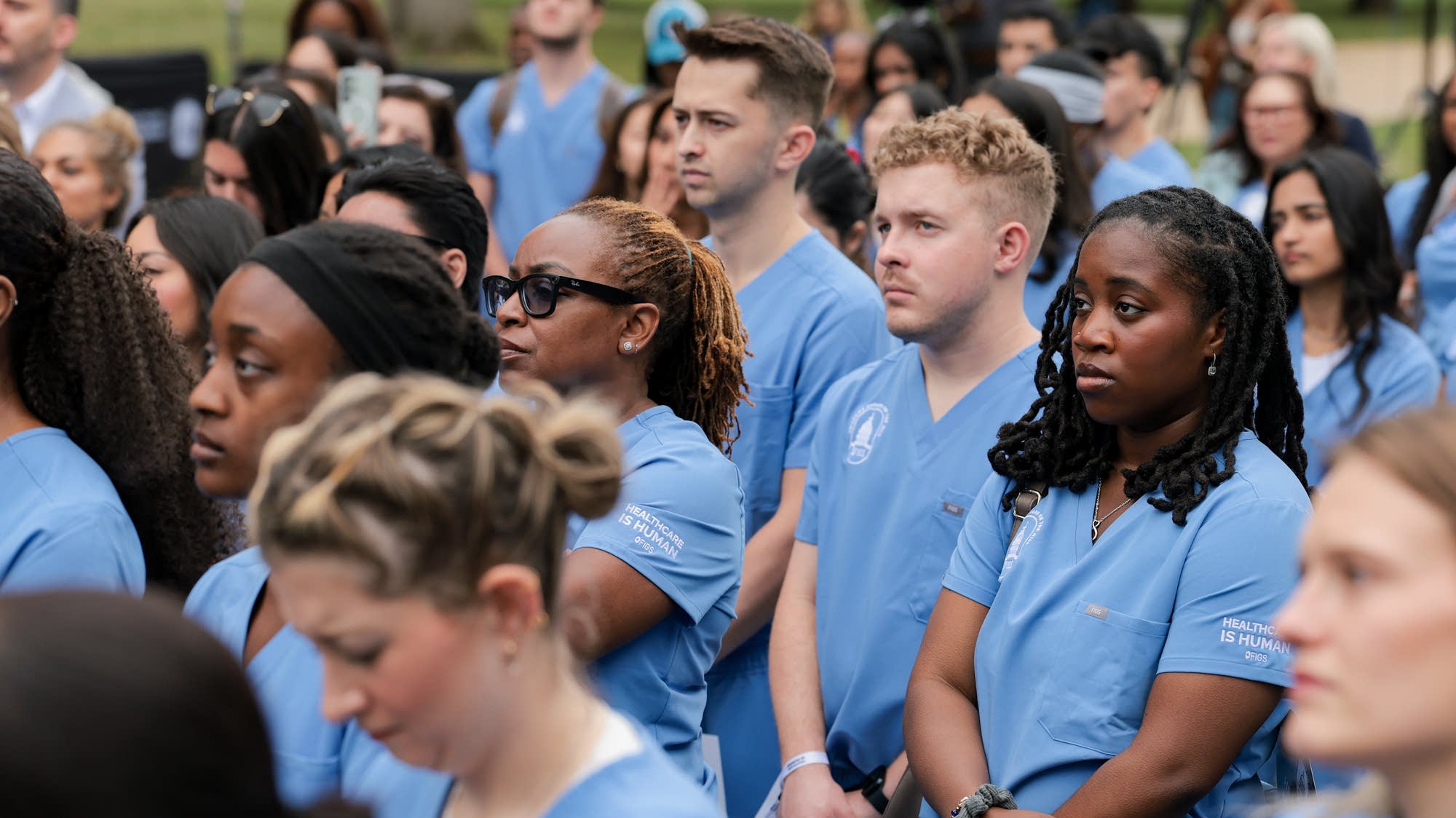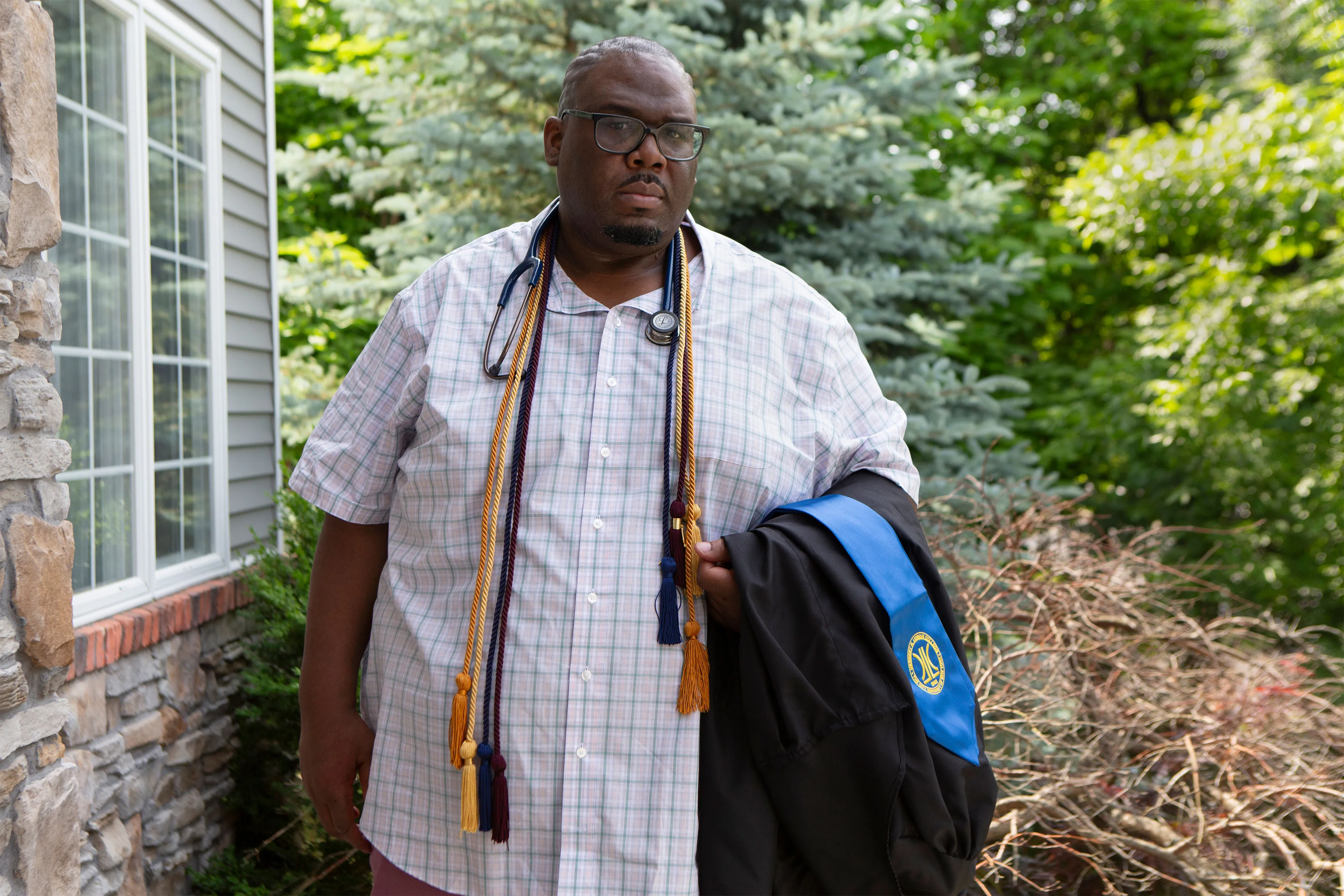
For now, students in 29 programs are eligible for the higher loan limits, including graduate-level nursing programs and physician-assistant programs.
Still, the existence of any limit on graduate-program borrowing will be a major change from previous years, when graduate students of all types could borrow up to the cost of attendance. The idea behind capping the loans is to pressure schools to bring their prices down.
As Nicholas Kent, the undersecretary of education, put it recently in touting some of the changes to the loan program, "colleges and universities raked in billions of dollars at the expense of students and taxpayers. Today that era is over."
Still, some are skeptical the limits will work as intended. For one, the data is mixed on what's known a the Bennett hypothesis - the idea espoused by William Bennett, who served as education secretary during the Reagan administration, that colleges push up prices in response to student-loan availability. In the undergraduate space, federal loan limits haven't budged since 2008, yet colleges have still raised their prices.
That's in part because "students are finding financing from somewhere," said Mark Huelsman, director of policy and advocacy at the Hope Center for Student Basic Needs at Temple University.