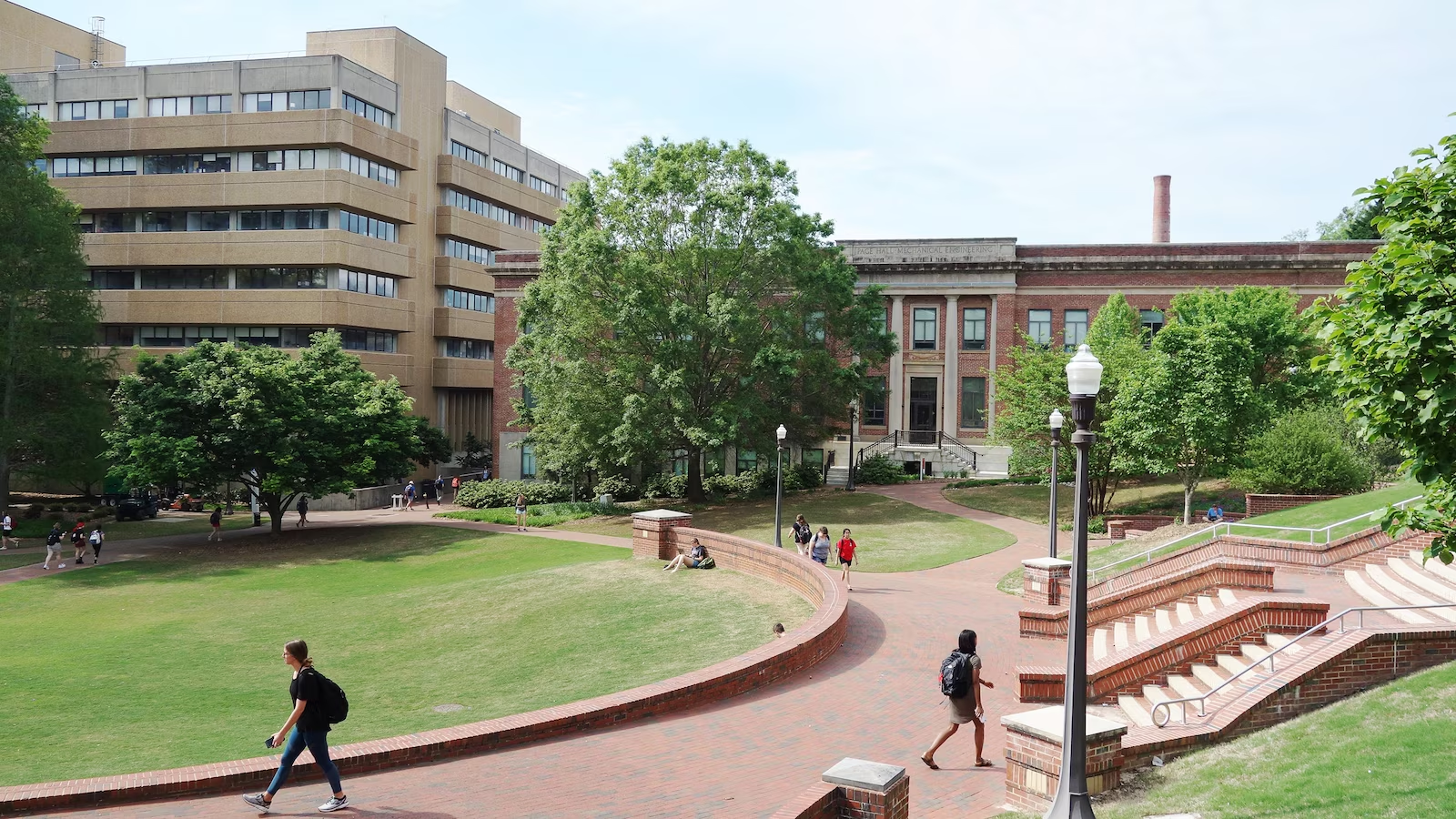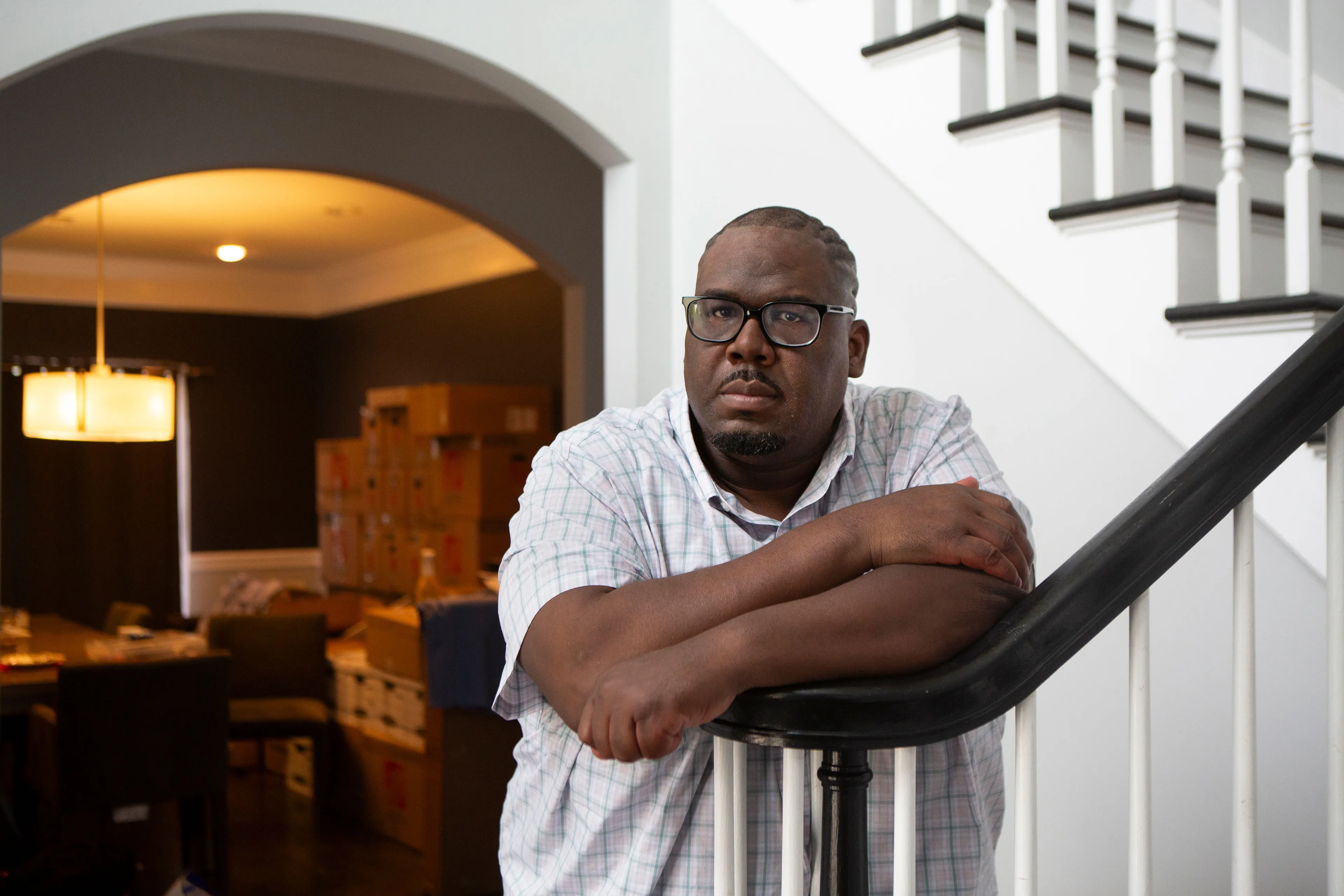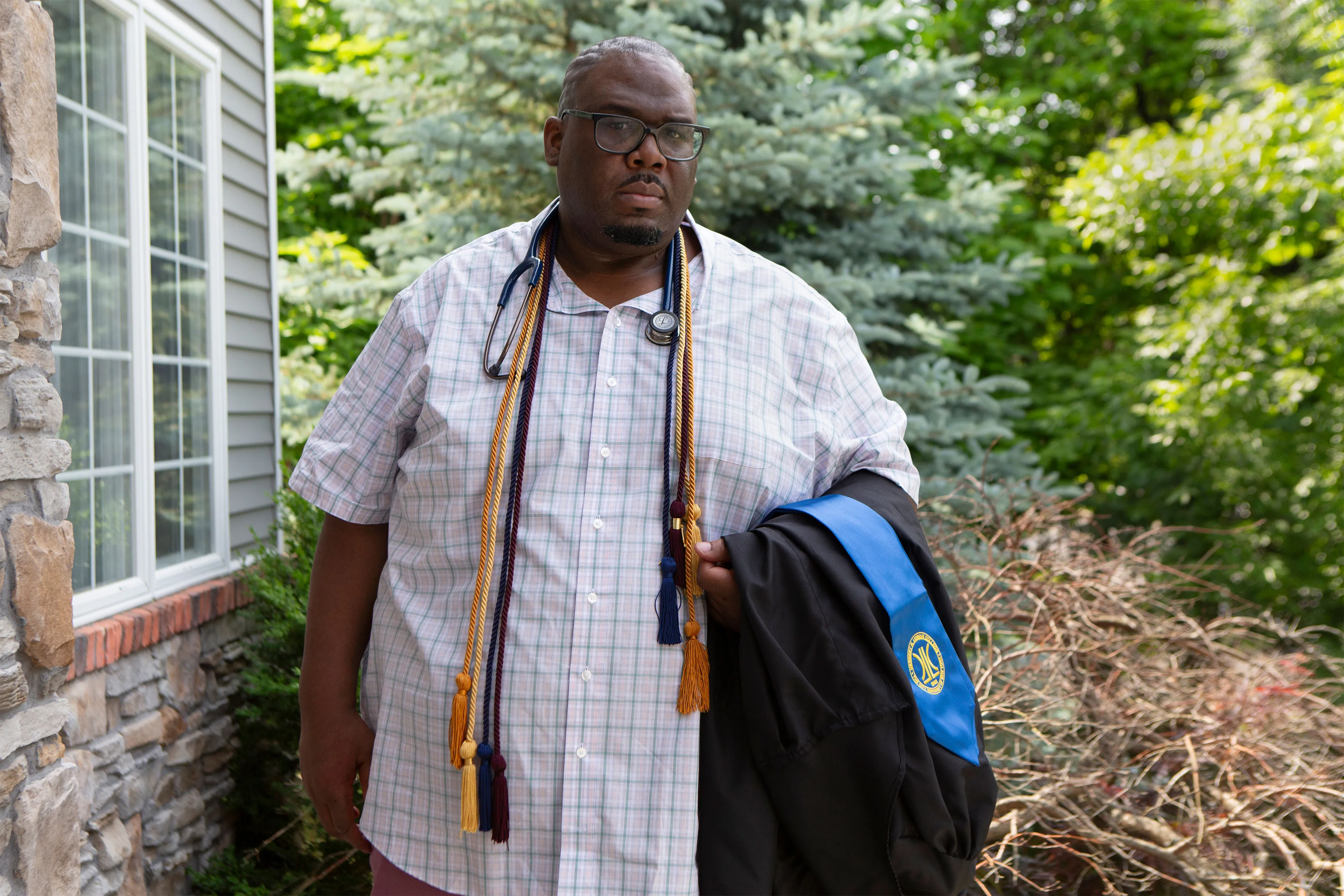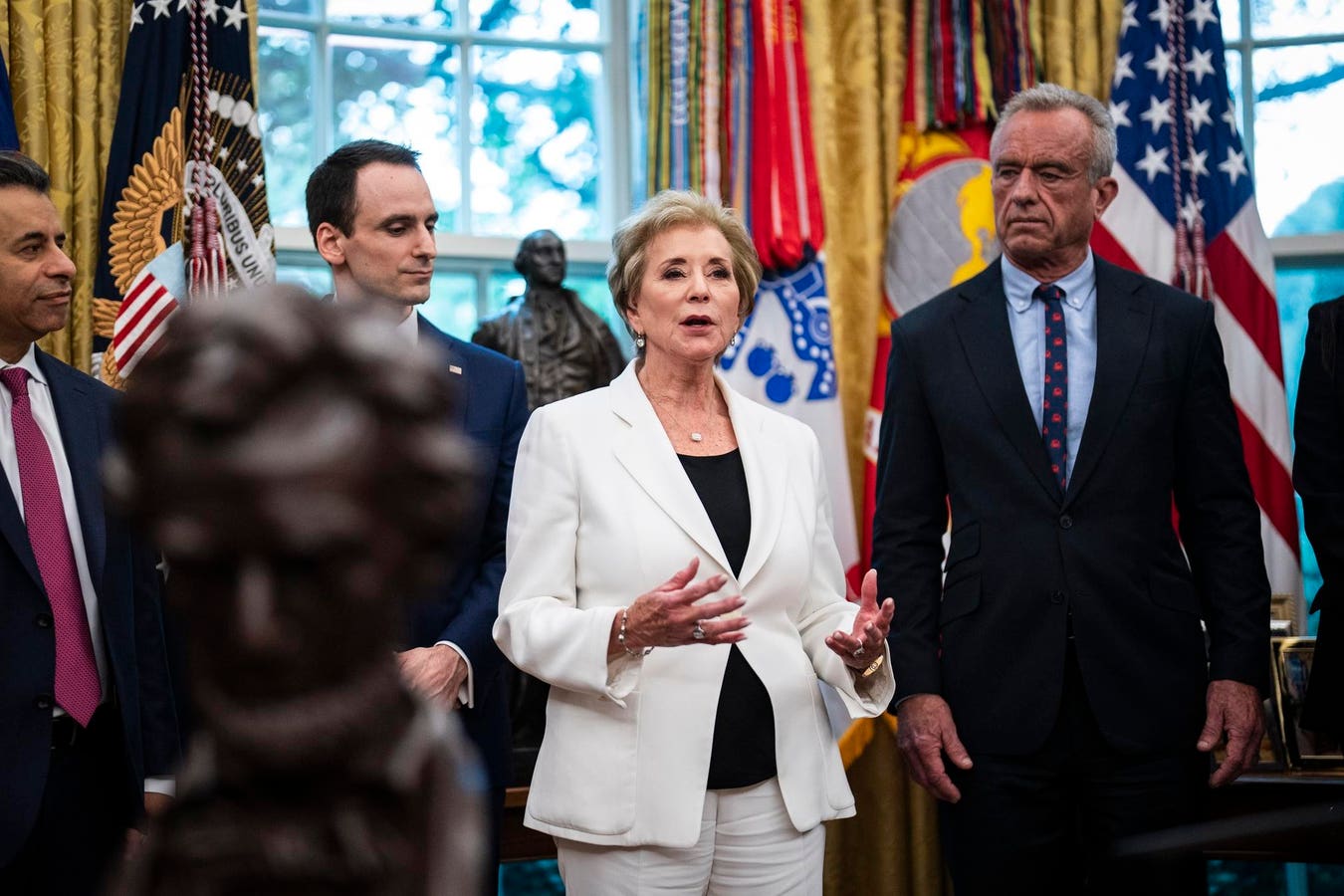
In September, 23-year old Bella Ramirez will become the first person in her family to attend graduate school, after navigating the law school admissions process largely on her own.“It’s really nerve-wracking to be looking at all of these different things and trying to assess everything based on online forums and talking to people and getting secondhand information,” said the recent Boston University graduate from Pembroke Pines, Florida. “I really can’t turn to my parents and say, ‘What did you do in this situation?’ because they’re turning to me and asking me questions.”Bella Ramirez, 23, says new federal loan caps limited her options for law school this fall.Courtesy RamirezEarlier this spring, Ramirez withdrew from the waitlists at three top-tier law schools, deciding that new federal loan caps set to take effect July 1 would make those schools financially out of reach.“I emailed them and I said, ‘Hey, because of these new restrictions, this is no longer seeming like a possibility,'” she recalled.The major changes to federal student aid are part of the Trump administration’s overhaul of higher education financing. Starting next month, low-income students will gain expanded federal support for career and technical training. But for the first time, many graduate students like Ramirez will face strict limits on how much they can borrow from the federal government.In congressional testimony last month, U.S. Secretary of Education Linda McMahon said universities have inflated graduate tuition because the government has offered loans with few limits. She said the new caps will force institutions to lower their costs.There’s little dispute that attending graduate school has become dramatically more expensive. Tuition at many law, medical, and professional schools has climbed far faster than the rate of inflation over the past two decades. The average cost of attending a private law school now exceeds $50,000 a year in tuition alone. That’s before housing and other expenses, all of which leave the typical law school graduate with well over $100,000 in student loan debt. Similar levels of debt are common for students in other programs as well.Still, the new loan caps raise questions about who can access graduate education in the U.S., who should pay for it, and whether the country’s workforce pipeline can keep pace with the growing demand for highly-skilled professionals.Right now, without the limit, graduate students can borrow enough in federal loans to cover the full cost of attendance. But new borrowers starting in the fall in what the department defines as “professional degree” programs, such as law and medicine, will be capped at $50,000 per year in federal loans, with a lifetime borrowing limit of $200,000. Students in all other graduate programs, including nursing, teaching, and social work, will face a much lower limit — roughly $20,000 annually and $100,000 over a lifetime.Massachusetts is among two dozen states challenging the new policy in federal court, arguing that the administration’s definition of professional programs is too narrow. On Wednesday, a judge temporarily blocked the administration from enforcing the lower federal student loan limits, but the ruling only applies to people pursuing graduate degrees in nursing and other healthcare-related fields.In a statement, a spokesperson for the Education Department told GBH News the judge’s order still allows the federal government to enforce “the statutory professional degree definition and loan caps.”“[The Department] is reviewing the order and will take appropriate action,” the spokesperson said.In Massachusetts, about one in three students has previously borrowed more than the new caps allow. Supporters say the limits force colleges to control costs. Critics worry that students will be forced to take on more private loans to make up the difference, and the higher interest rates they charge will deter those from more modest backgrounds.“In the long run, it could be beneficial, but we’re seeing by and far in the short run, it’s affecting a lot of students,” said Josh Farris, a research and policy analyst for Leadership Brainery, a Boston-based nonprofit focused on expanding access to graduate school for low-income students.Farris said Massachusetts could be hit especially hard because it leads the nation in graduate degree attainment. According to U.S. Census data, nearly half of the state’s residents hold a bachelor’s degree, and about 23% of adults over the age of 25 have an advanced degree, compared with 13% nationally.“Our state will be particularly impacted for lots of industries that particularly require graduate degrees,” Farris said, ticking off biotechnology, nursing, and education as examples. Above, students walk on the campus of Northeastern University in Boston. In Massachusetts, roughly 23% of adults over the age of 25 have an advanced degree.Maddie Meyer/Getty ImagesBut supporters counter that the caps will protect students from taking on excessive debt.Preston Cooper, a senior fellow working on higher education policy at the American Enterprise Institute, said the answer is for colleges to lower tuition, not for taxpayers to provide effectively unlimited lending.“Up until this year, institutions had really no incentive to control tuition because they could always just hike their tuition and push students to borrow more from the federal government,” Cooper explained.Cooper noted that most graduate students nationwide do not borrow above the new caps. He sees the policy as a common-sense effort to stop giving blank checks to expensive institutions.“If you’re overcharging your students, the reckoning is coming, and you’re going to have to make some tough decisions,” he said.For high-achieving students of modest means like Bella Ramirez, though, the policy is already reshaping choices about where they can enroll.“At this point it feels very pay-to-play,” she said. “Maybe it was always that case, but this seems like a much louder message.”Ultimately, Ramirez chose Yeshiva’s Cardozo School of Law in New York City, where a scholarship designed for first-generation students kept her borrowing within the new federal limits.“Had they not given me that package, I almost certainly would not be able to go to law school this fall,” she said.As she prepares for the start of classes, Ramirez hopes policymakers will pursue a different approach — one that expands opportunity for lower-income students seeking graduate degrees and the economic mobility they can provide.Kirk Carapezza covers higher education for GBH in Boston, where he hosts the consumer-facing podcast “College Uncovered.” Listen and learn wherever you get your podcasts.
Will new federal student loan caps make grad school more affordable or less attainable?
Critics warn that the new limits set to go into effect on July 1 could hurt the Massachusetts economy and shut out low-income students.
1,032 words~5 min read