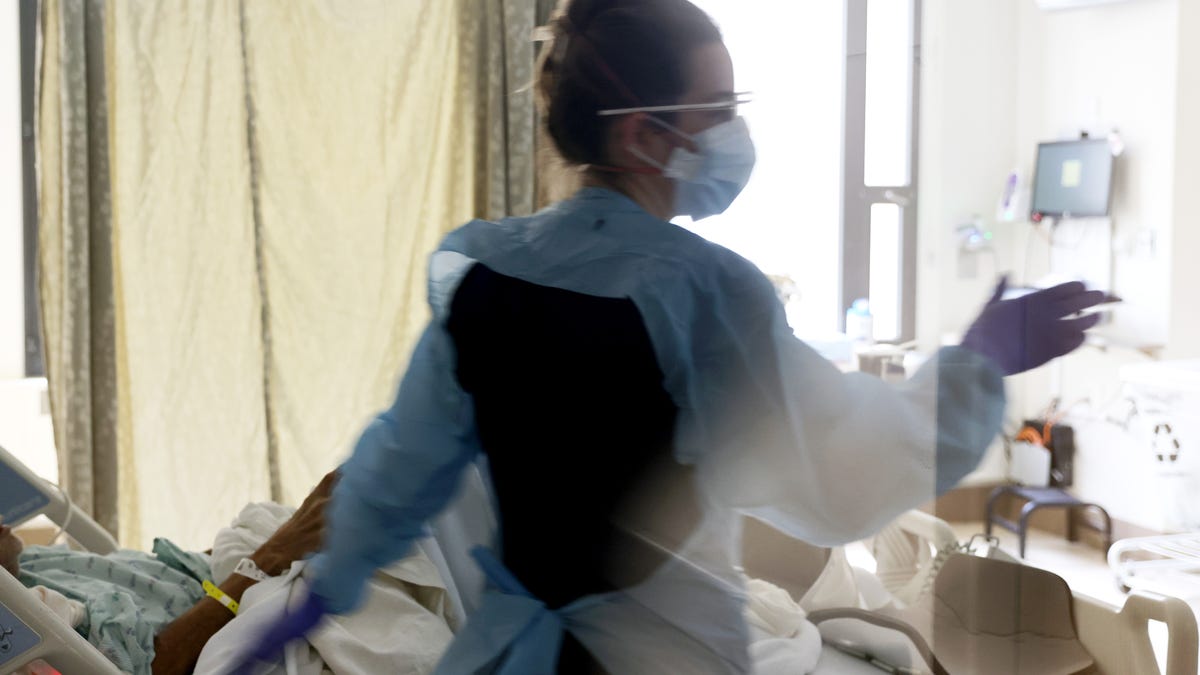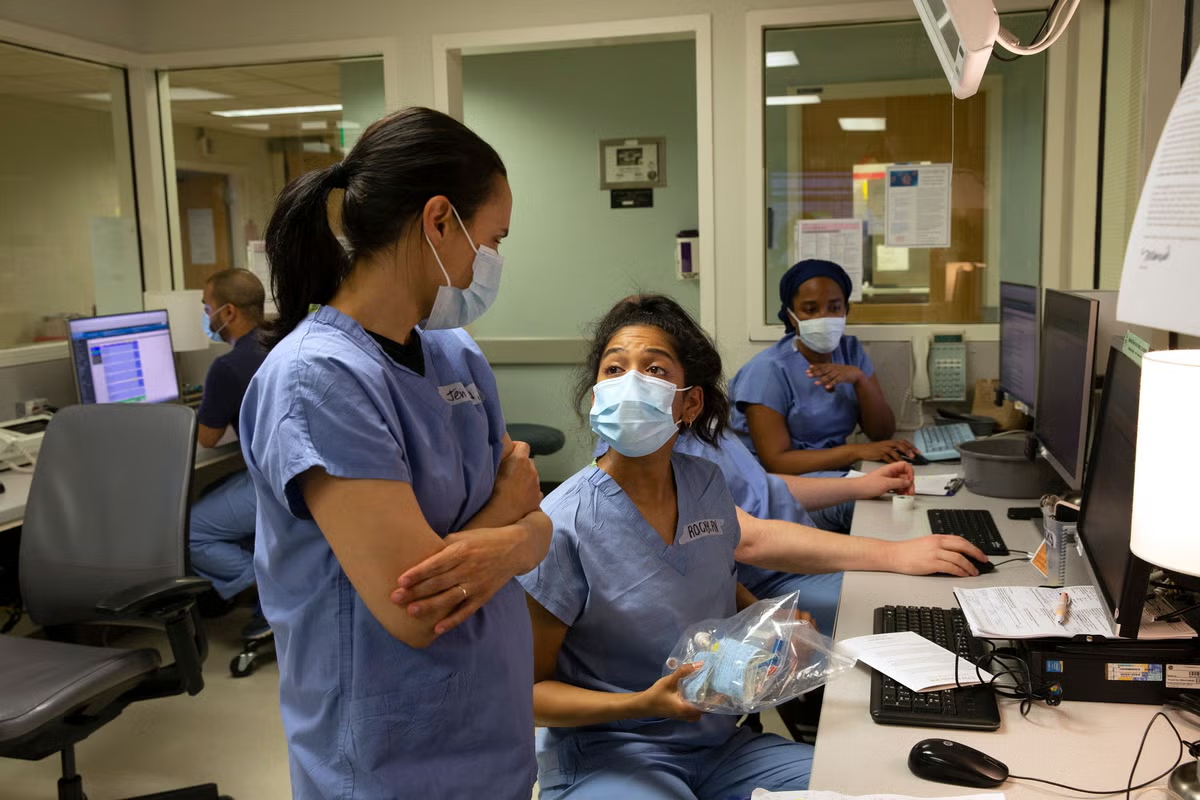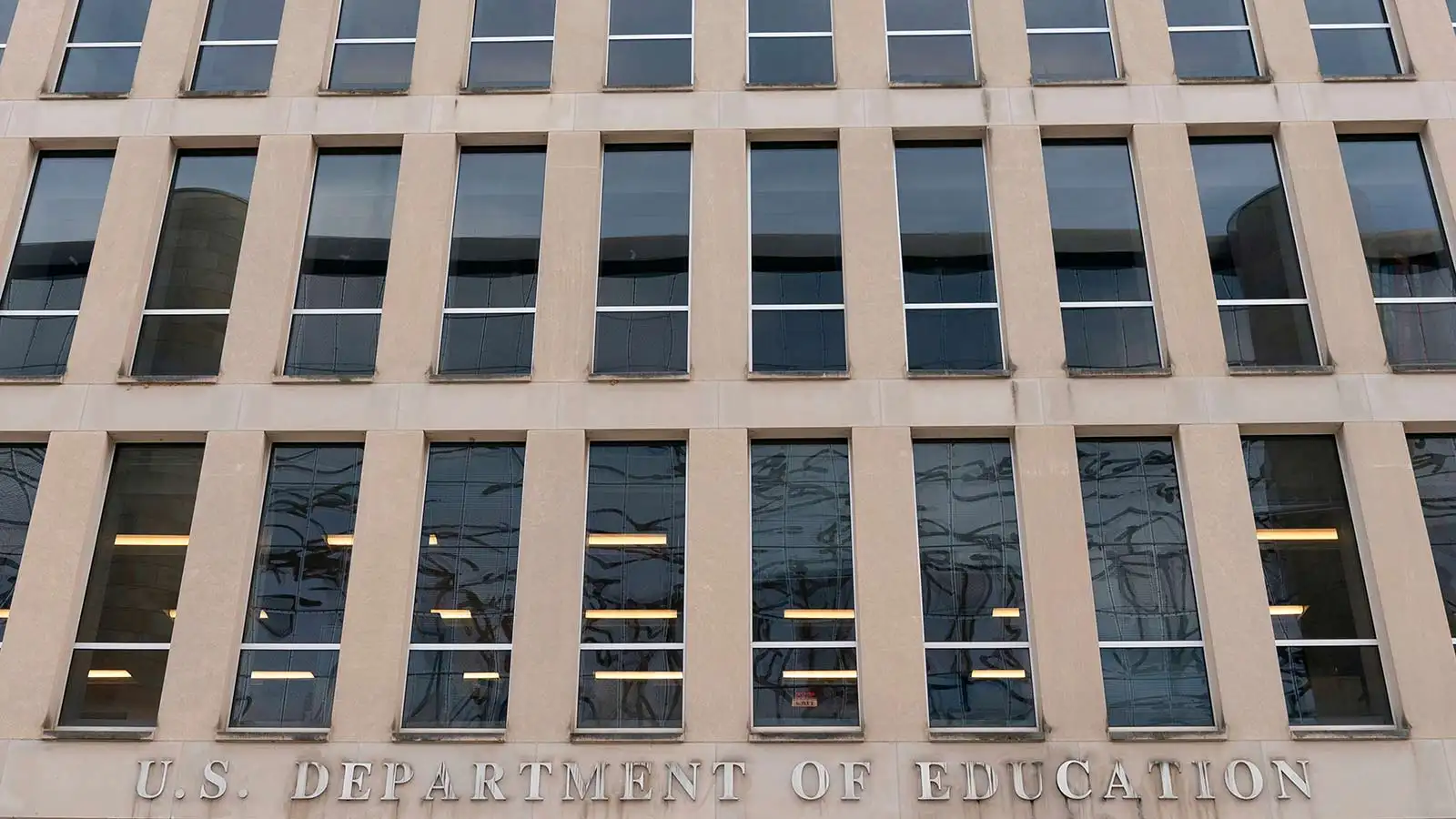
Despite strong opposition, the Trump administration redefined "professional" degrees to limit loans to RNs, PT/OT, CRNAs and public health students.gettyThe Trump administration this week redefined what it considers “professional,” slashing loan availability for many students in healthcare.The move disqualifies loans for those studying for careers as advanced practice nurses, physician assistants, physical therapists, occupational therapists, speech-language therapists, social workers, counseling and mental health practitioners, health administrators and those going into public health or teaching.“Professional” is now defined in the One Big Beautiful Bill as only those prepping for degrees in:• Pharmacy (Pharm.D.)• Dentistry (D.D.S. or D.M.D.)• Veterinary Medicine (D.V.M.)• Chiropractic (D.C. or D.C.M.)MORE FOR YOU• Law (L.L.B. or J.D.)• Medicine (M.D.)• Optometry (O.D.)• Osteopathic Medicine (D.O.)• Podiatry (D.P.M., D.P., or Pod.D.)• Theology (M.Div., or M.H.L.)Students in these fields will qualify for up to $50,000 in federal loans per year, with a $200,000 limit. There is now an aggregate lifetime loan limit of $257,500, which includes undergraduate loans and some grad PLUS loans.Those fields no longer defined as professional will have less ability to borrow for their education — only $20,500 annually or $100,000 total.Previously, student loans could cover the full cost of attendance. The new regulations go into effect on July 1. The Department of Education claims the rules are needed to prevent students from undertaking large debts.The administration defended its plans as protecting students from taking on “insurmountable debt to finance degrees that do not pay off," according to Under Secretary of Education Nicholas Kent. It did this despite more than 80,000 comments, mostly negative, posted in response to the proposal in the Federal Register. More than 150 members of Congress also sent a bipartisan, bicameral letter decrying the effect of the reclassification on nursing education, in particular.The Industry Pushes Back Unsurprisingly, nursing and physician assistant programs have been pushing back. The American Academy of Physician Associates has already announced its intent to take legal action. There was an immediate negative response to the final rule from an array of health professionals.“This decision to exclude graduate nursing students from professional student loan eligibility for loans at the higher limit is yet another attack on nurses by the Trump administration, which already took away collective bargaining rights from the Veterans Administration nurses,” said National Nurses United President Jamie Brown, R.N., via email. "If the Trump administration wanted to support nurses, it would be working to improve working conditions, expanding education opportunities, and ensuring patients can get health care.”In particular, Brown noted the disparate effect the decision would have on women and people of color. “Women and borrowers of color often rely the most on professional student loans to cover the cost of attendance. Without access to federal loan assistance, many women and students of color will be forced into the private loan market, where many will not qualify for financing, making it more difficult to advance in their profession." Corinna Dan, R.N., M.P.H, communications chair for the American Public Health Association, Public Health Nursing Section, amplified Brown’s concerns and added others about public health. She described the changes as “short-sighted” and noted the loan limits will “reduce the number of people who can pursue and complete advanced degrees, leading to fewer advanced practice nurse practitioners, an important primary care provider type, as well as fewer people with advanced public health training.” “In the long term, there are more serious implications of redefining what constitutes a ‘professional’ degree," she added. “Even if the stated goal was limited to this educational loan program, there is a risk that future policies and funding decisions will use the same criteria, further compromising the long list of excluded advanced training programs.”A Growing Healthcare Worker ShortageNurses and social workers "are the backbone of our health care system,” said Judith Feinberg, M.D., professor of psychiatry, medicine and infectious diseases and a member of Defend Public Health. “The limits to the amount that can be borrowed will discourage individuals from a range of cultural and socioeconomic backgrounds from entering health care, and studies have shown that lived experience shared by patients and their caregivers results in better outcomes," she added. "There are already significant obstacles to accessing health care in this country, and a shortage of health care professionals will only exacerbate this situation. We may be the richest country in the world, but we do not have a healthcare system that reflects that status.”The Nursing Community Coalition noted the shortsightedness of the decision, given the growing needs for nurses. “Bureau of Labor Statistics (BLS) estimates that there will be an average of 32,700 openings for nurse anesthetists, nurse midwives, and nurse practitioners each year through 2034, representing a 35% growth rate. Similarly, BLS projects approximately 189,100 annual job openings for RNs through 2034, representing 5% growth over the next decade. As we support our current nursing workforce and prepare our future RNs and APRNs, post-baccalaureate nurses at the master’s and doctoral levels (DNP, Ph.D.) are needed now more than ever.”Who will provide care for our aging population, especially in rural areas? Now, 40% of Medicare beneficiaries receive care from an APRN. And who is going to train all advanced care practitioners, if the funding for advanced degrees and teaching future generations is cut off?Similarly, in 2024, over 13,000 full-time NPs were employed in community health centers. They conducted over 30 million in-person clinic visits, and almost 3 million virtual visits. Most — nearly 80% of all anesthesia providers in rural communities — are certified registered nurse anesthetists.“Reduced enrollment would severely constrain the pipeline of clinicians, limit hospitals’ ability to staff care teams, increase patient wait times and reliance on emergency care and weaken health system readiness in the event of a natural disaster or public health emergency,” The American Hospital Association stated. As I explained in a November Forbes article, the effect of throttling loans for public health education is also worrisome, particularly amid cuts to the Centers for Disease Control and Prevention and restructuring that places vaccine opponents in critical roles. An M.P.H. or Dr.P.H. degree is required for most employment in public health departments. How will we maintain a supply of skilled public health practitioners?Despite widespread criticism, the administration is sticking with its decision: “The Department does not believe that our approach to defining professional students is too narrow nor do we believe it should be expanded to include more degree programs."Further legislation or litigation appear to be the only options for scaling back these cuts.
Admininstration Redefines “Professional,” Limiting Loans For RNs, PT, MPH And More
The administration redefined "professional" degrees to limit loans to RNs, PT/OT, CRNAs and more, sparking fears about the worsening healthcare worker shortage.
1,071 words~5 min read