Questions and concerns are being raised by graduate students and working professionals alike following reports that President Donald Trump's administration is reframing what degrees are considered "professional," shifting what programs could be eligible for new student loan limits under the administration's "Big Beautiful Bill."
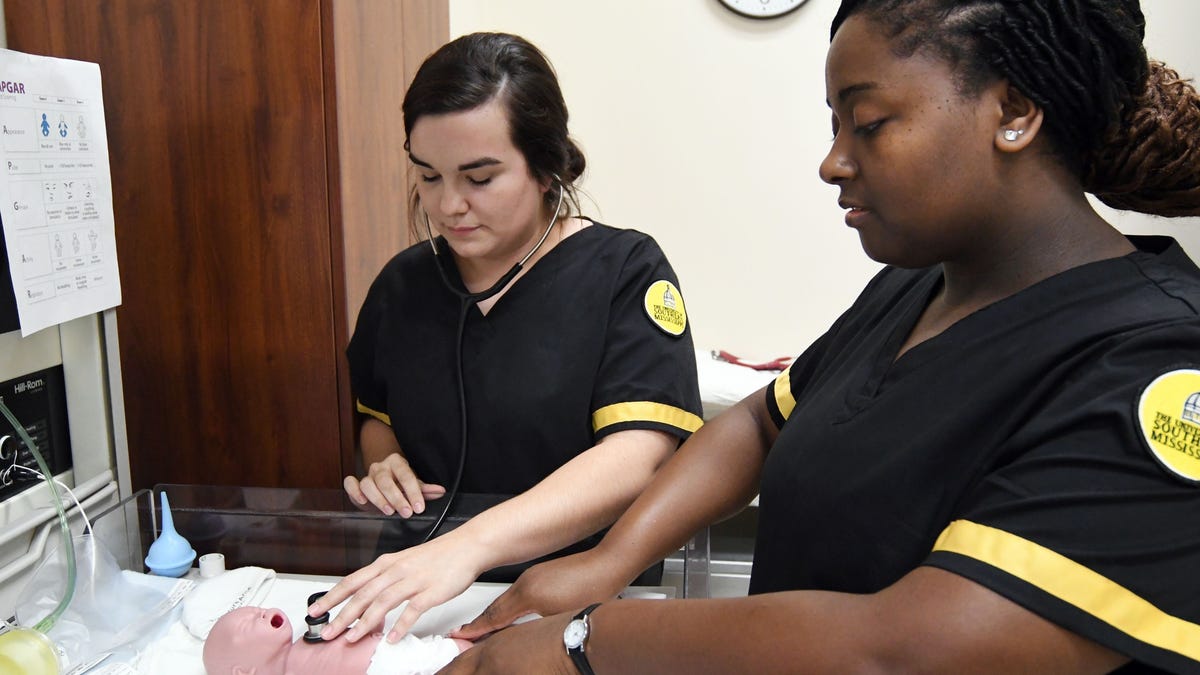
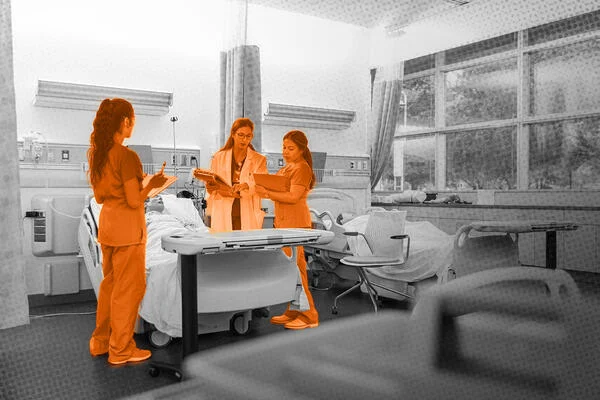
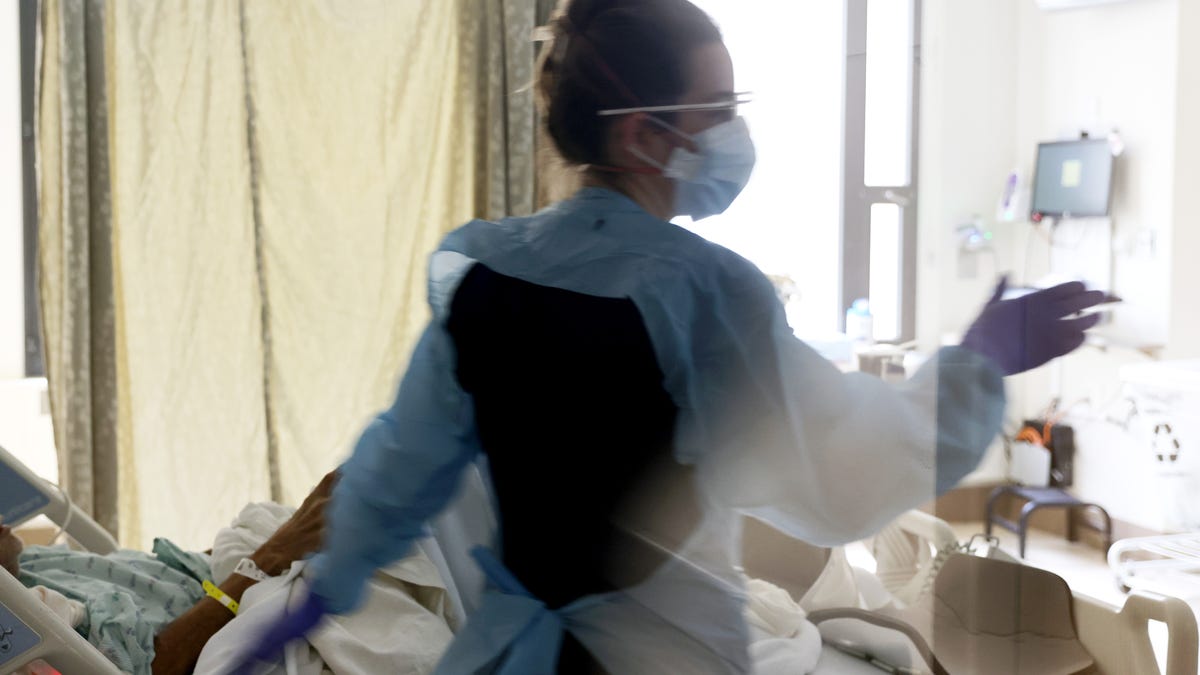
The shakeup has caused confusion for graduate and nursing students especially, with some now unsure about what the future of their educational programs and student loan restrictions might look like under the administration's changes. With a current list and definition of "professional degrees" used by the administration omitting some professions like nursing, here's what to know about what programs are listed and what it could mean for students.
The confusion and controversy stem from a 1965 federal law, which defines a "professional degree" as one that "signifies both completion of the academic requirements for beginning practice in a given profession and a level of professional skill beyond that normally required for a bachelor's degree."
The definition goes on to list examples of a professional degree, including:
While the definition states that the list is not exhaustive and that professional licensure is also generally required, past Department of Education committee meetings this fall to discuss student loan regulations and other issues have used the initial description that includes only those ten degrees.