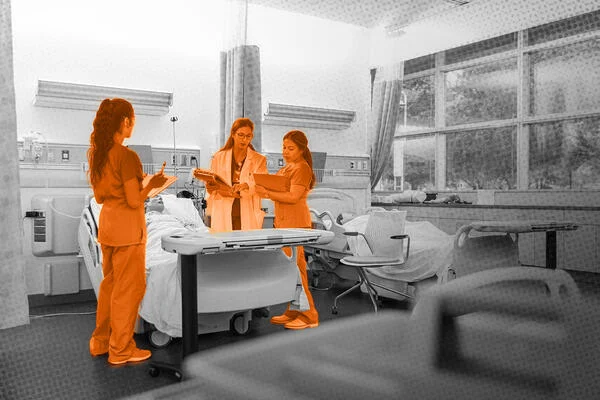
ST. PAUL, Jan. 9 (UPI) -- A Trump administration recommendation that higher education for nurses should not qualify as a "professional degree" has sparked a backlash and warnings that the ongoing U.S. nursing shortage will worsen as a result.
The recommendation, made by members of a key Department of Education "negotiated rulemaking" committee in November, is part of an effort the administration says is meant to drive down college tuition costs under the provisions of last year's One Big Beautiful Bill Act and to "protect" students from paying for graduate degrees that "don't pay off."
But it has kindled outrage among nursing groups and their supporters, who claim the profession is being unfairly devalued and warn that limiting loan programs for graduate training will only worsen a quickly accelerating nursing workforce crisis.
Nurses, many of whom are women and people of color hailing from lower-income backgrounds, need graduate degrees to become nurse practitioners, nurse midwives and certified registered nurse anesthetists -- all of which are much-needed healthcare positions.
The controversy arose after the Nov. 6 meeting of the Department of Education's Reimagining and Improving Student Education, or RISE, Committee, when the panel opted to exclude post-baccalaureate nursing degrees from the list of studies defined as "professional" rather than "graduate" degrees.