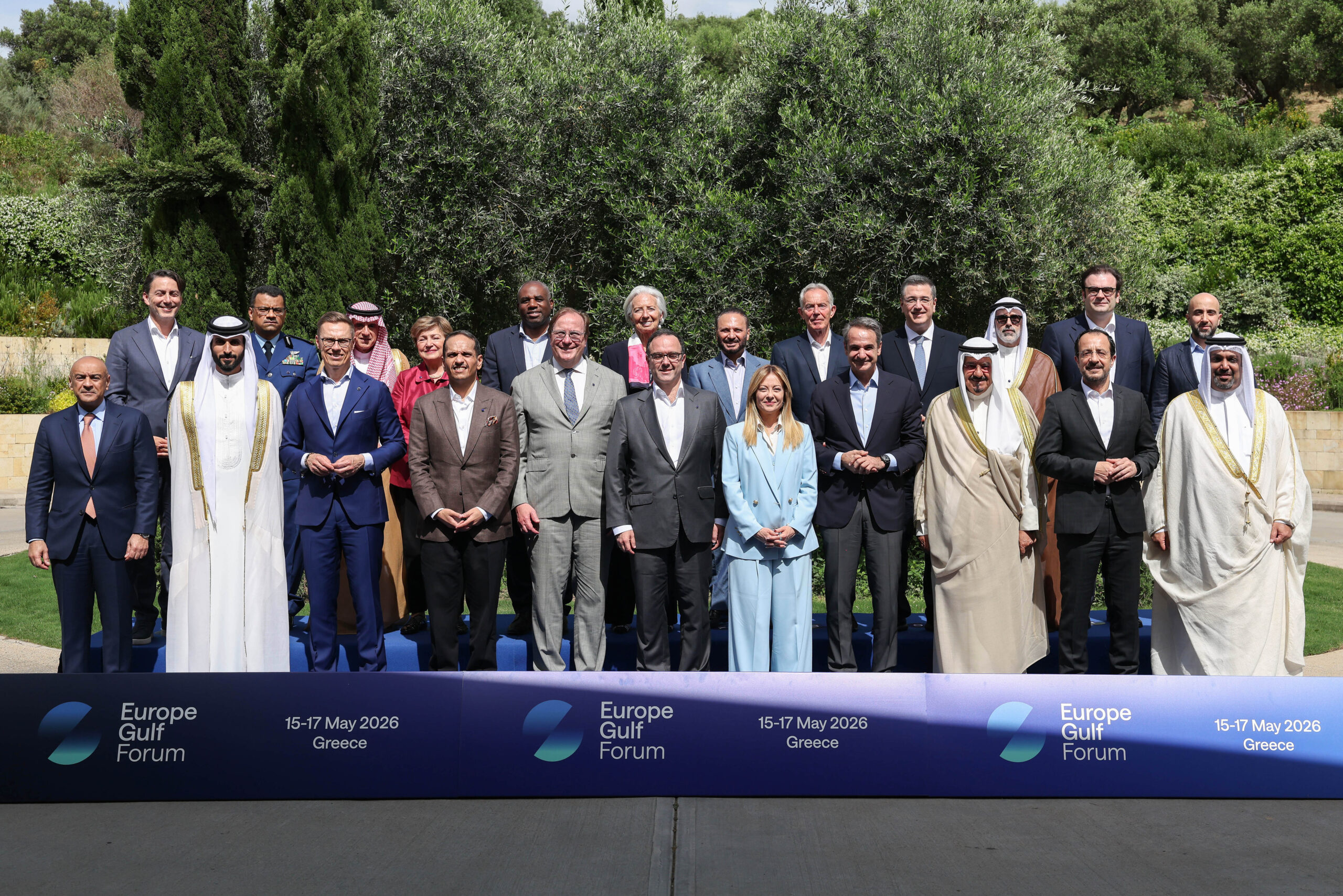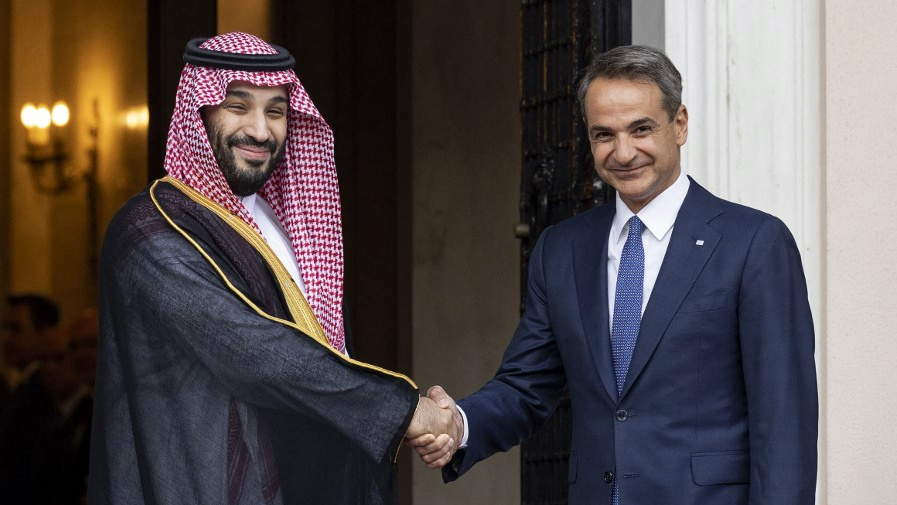
Over the past several years, and with particular intensity since late 2019, Athens has deepened its ties with the Gulf states in ways few might have predicted.
At first glance, the relationship looks standard: a European nation gains access to energy and investments, while the Gulf states in turn gain a willing European partner.
Looking closer, though, the details tell a different story. Greece’s push into the Gulf has unfolded in two phases, each running in parallel with the same two trends: a tightening alliance with Israel, and deepening friction with Turkey.
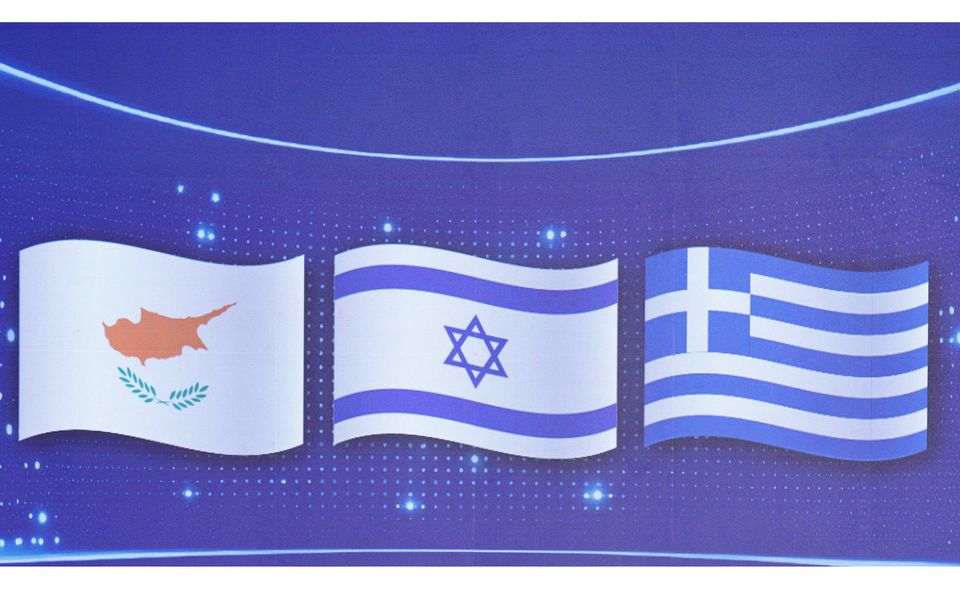
The first push, from roughly 2016 to 2021, took shape as an anti-Turkey coalition. Built around the Greece-Israel-Cyprus axis, it sought to draw in France, Egypt, Libya’s Khalifa Haftar, Bashar al-Assad’s Syria, and against the backdrop of the 2017 blockade of Qatar, both the UAE and Saudi Arabia.
While economic, energy and investment cooperation supplied the pretext for this coalition, security and defence were the main substance. The alignment came easily at the time, because Abu Dhabi and Riyadh were themselves informally aligning with Israeli regional policies on multiple levels.