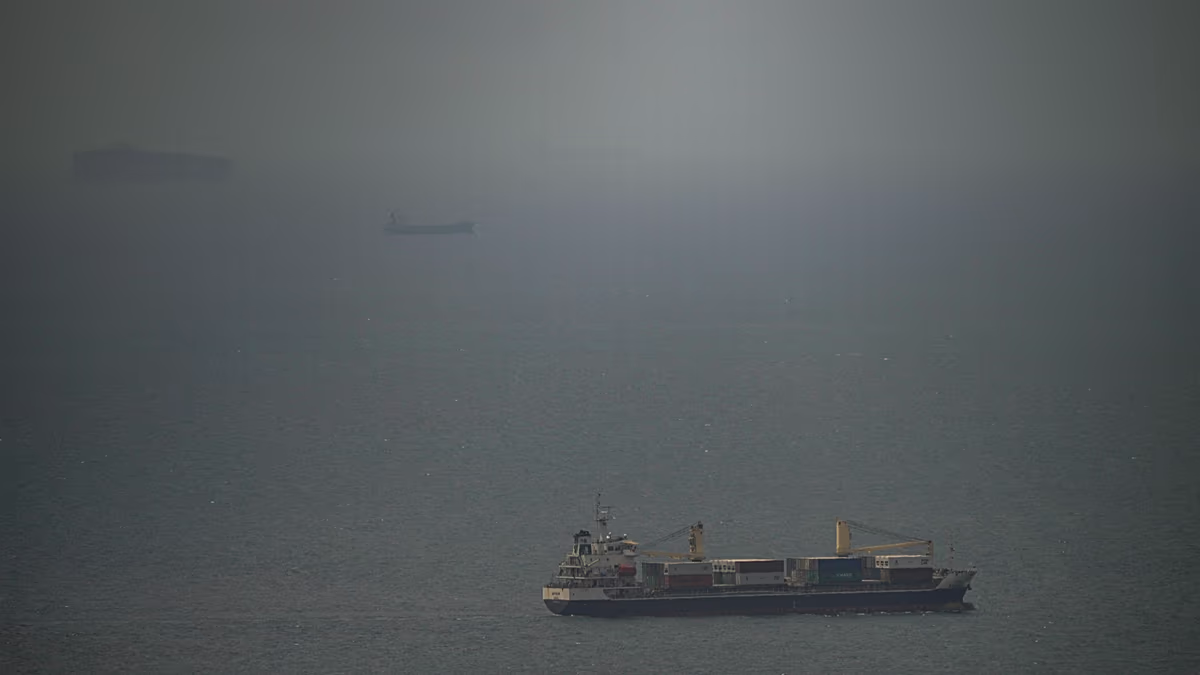
MESSINIA—The many temple ruins that dot this region are a reminder that, in Ancient Greek myth, mortals were subject to the whims of mercurial deities. Zeus, Hera, Apollo, and the rest did what they pleased, leaving everyone else to suffer the consequences. Today, the major disruptive forces shaping the world are not Olympian gods but geopolitics—US military action in Iran, Tehran’s attacks on Gulf states, the closure of the Strait of Hormuz, and Russia’s ongoing war on Ukraine.
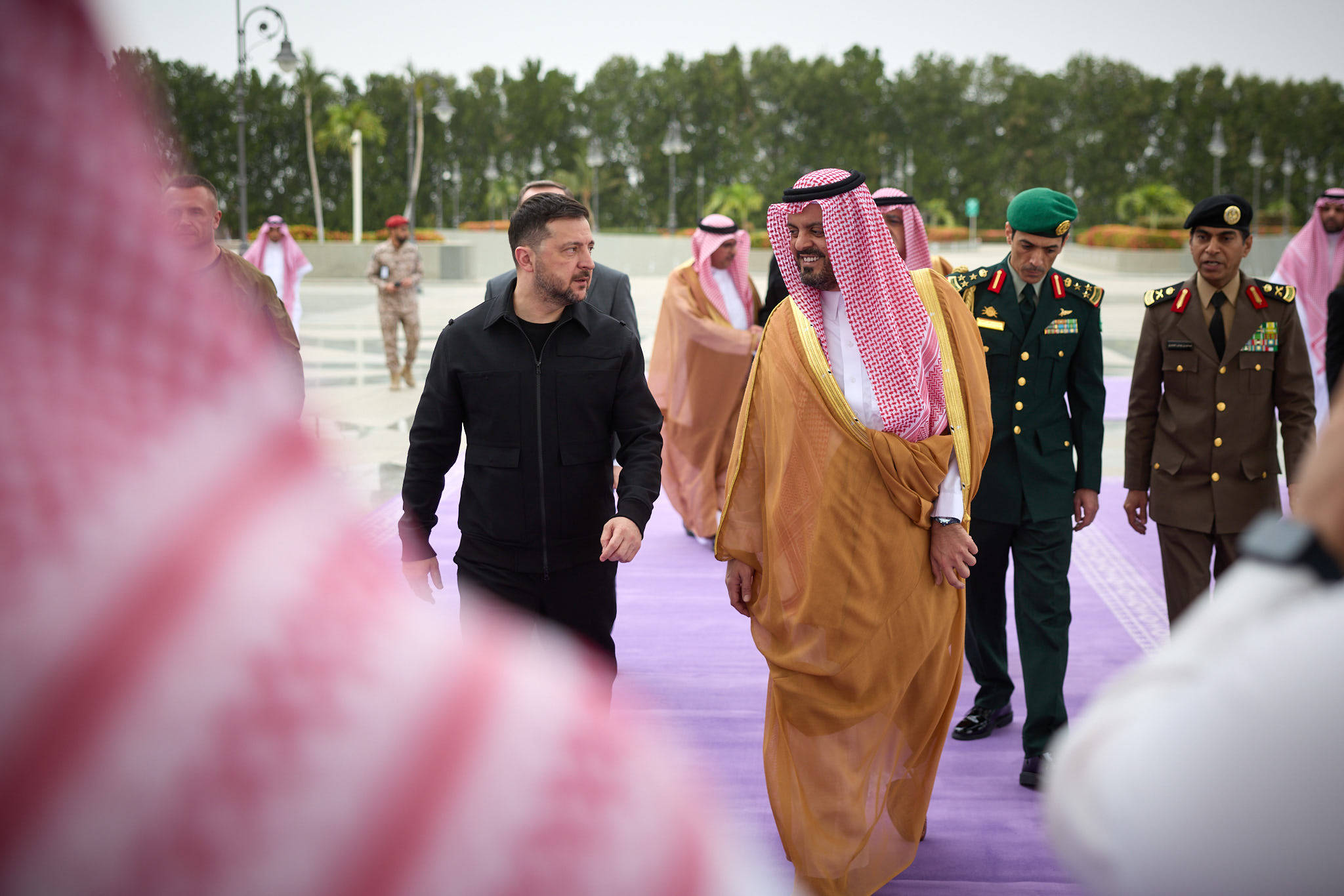
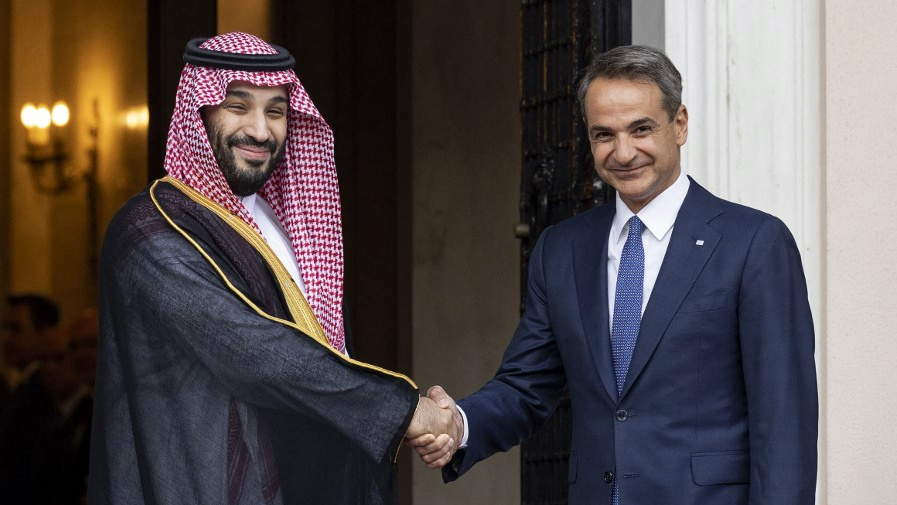
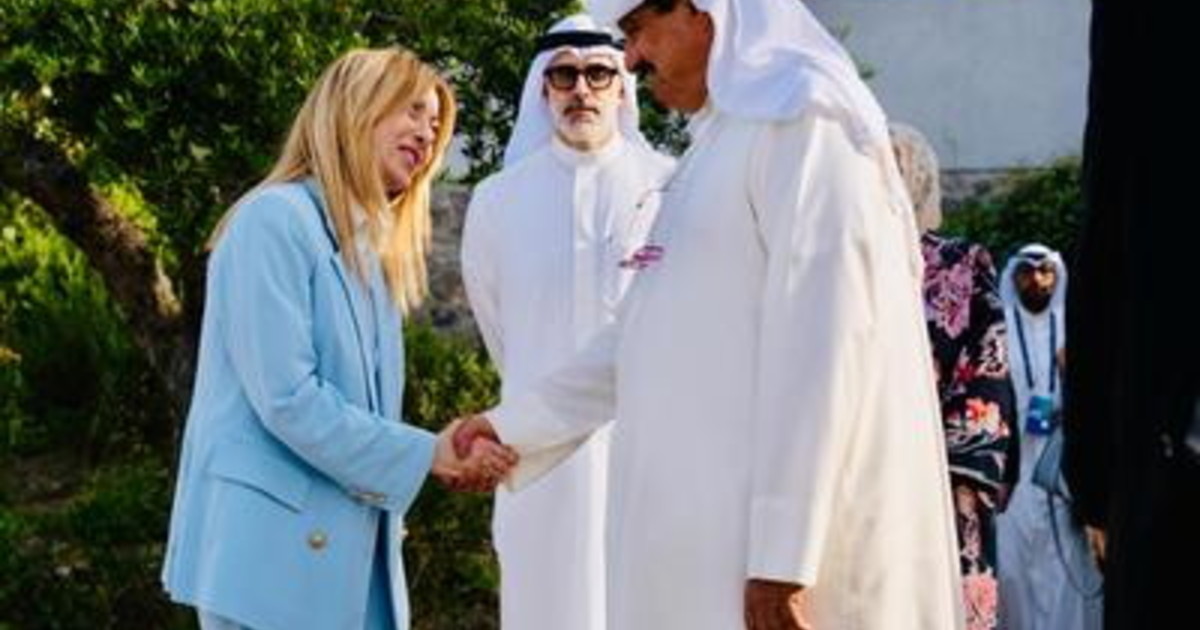
But the world leaders who gathered here in Costa Navarino, Greece, for the inaugural Europe Gulf Forum this past weekend are not powerless before these forces. They are adapting and taking action—increasingly recognizing the untapped potential of enhanced strategic collaboration with each other.
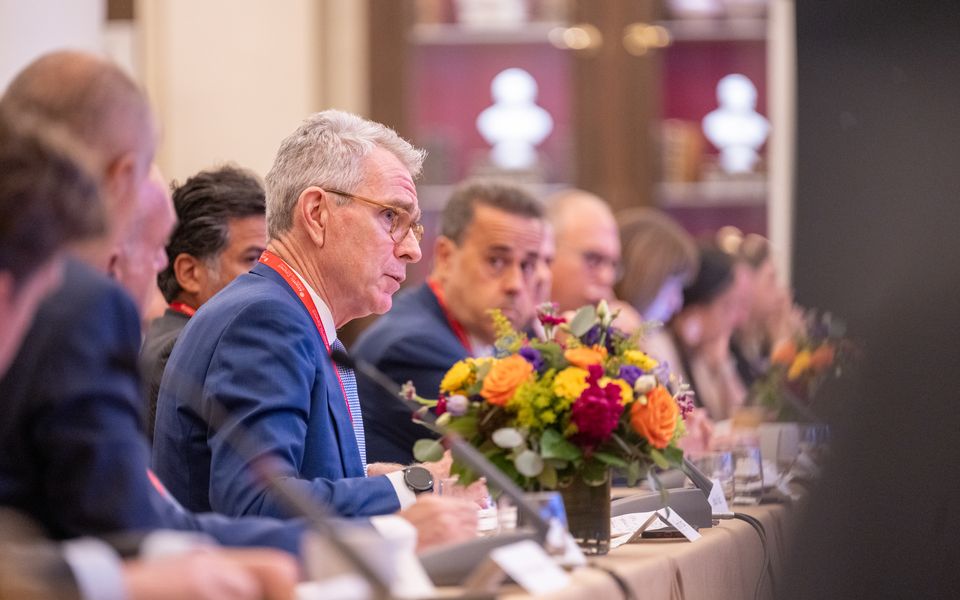
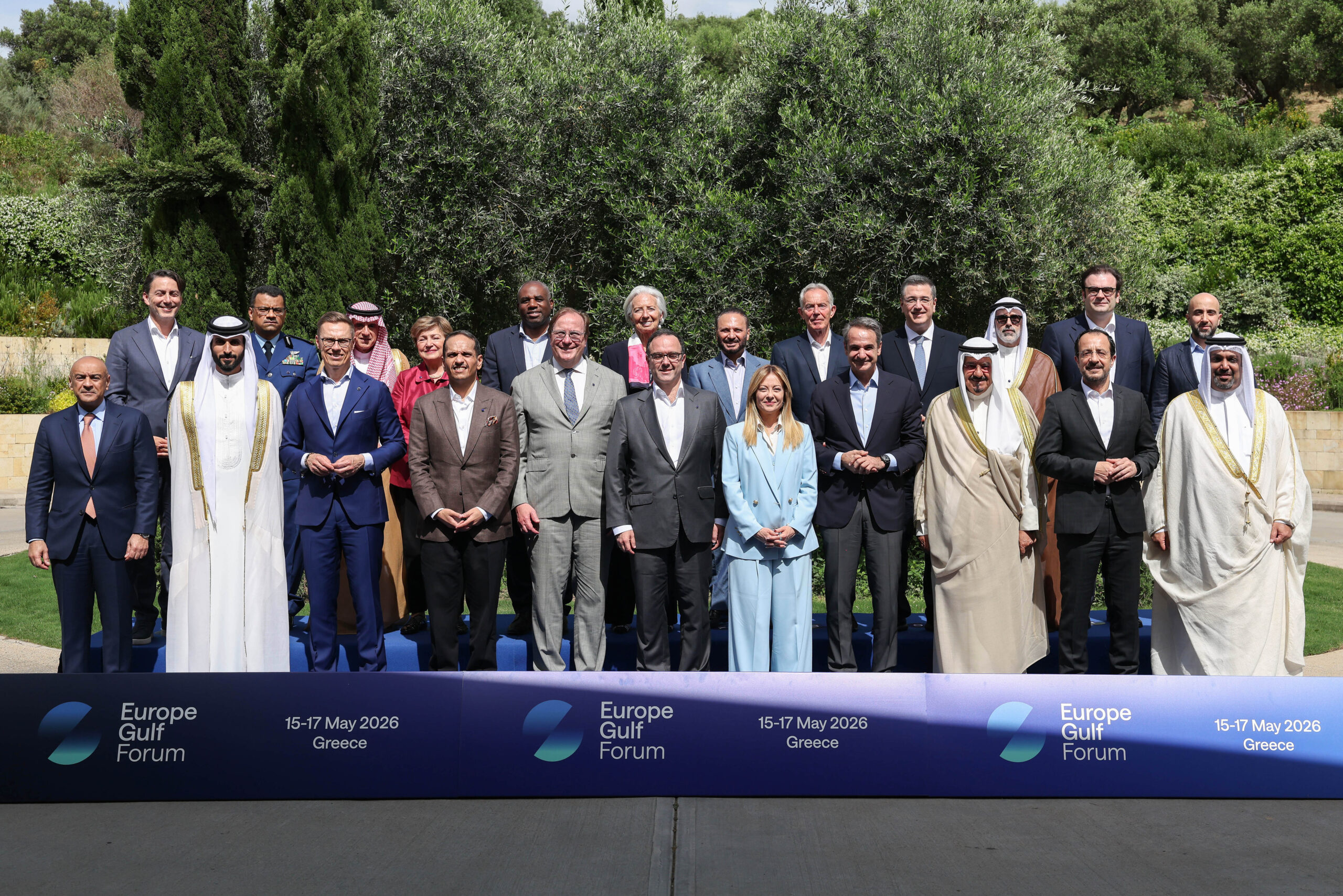
Hosted by the Antenna Group, in partnership with the Atlantic Council, the Europe Gulf Forum is a response to a fairly straightforward problem: While Europe and the Gulf maintain meaningful ties across a number of specific sectors and policy areas, the countries in these regions are likely to be more successful if they seek to better leverage their comparative advantages and jointly address emerging geopolitical and geoeconomic challenges. Toward this end, the Europe Gulf Forum brought together more than twenty prime ministers, heads of state, and senior policymakers for private, candid discussions about the challenges they face.