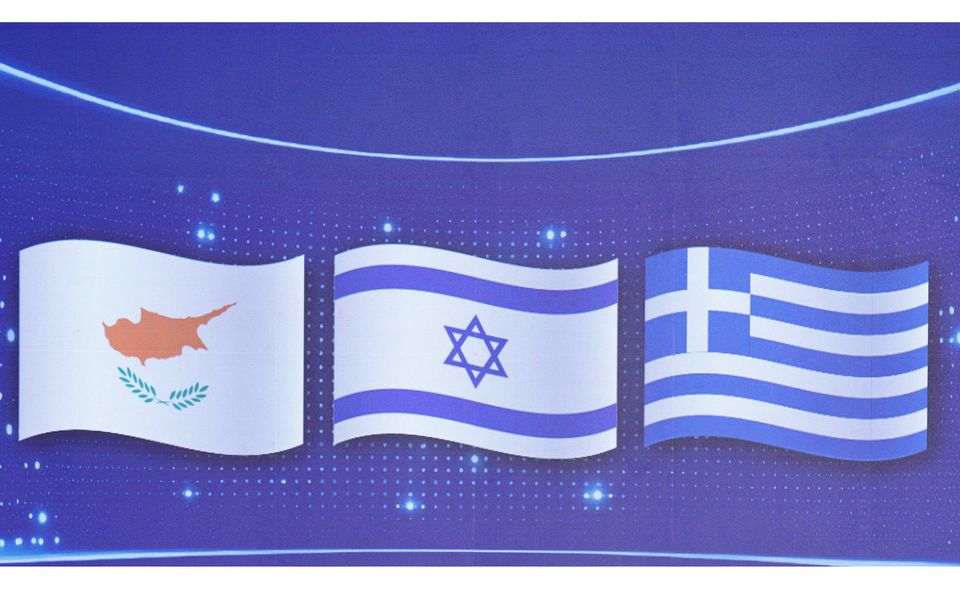
The military and strategic partnership between Greece, the Greek Cypriot administration and Israel is being portrayed by both sides as a major diplomatic success. But does it truly deserve that label?
Looking at the other side of the coin, it becomes clear that this relationship could have far-reaching consequences not only for the Eastern Mediterranean but for Europe as a whole.
Today, many politicians across Europe are debating Israel. Some support it, while others criticize it. Yet the key issue often overlooked is that Israel's relationship with Europe is no longer confined to diplomacy alone.
Greece and the Greek Cypriot administration are not merely providing political support to Israel; they are also opening Europe's geopolitical doors to it. Through ports, energy corridors, military exercises, intelligence cooperation, and defense projects, Israel is becoming closer to the European continent than at any point in its history. The consequences of every step taken by Athens will not be borne by Greece alone. Any potential regional crisis could affect a security chain stretching from the Eastern Mediterranean to the heart of Europe.
One of the fundamental mistakes of Greek policy is the increasingly blurred line between national interest and dependence on alliances.