As Washington expands its traditional definition of national security, the technologies and infrastructure that power artificial intelligence—from data centers and semiconductors to critical minerals and computing capacity—are increasingly viewed as strategic assets on par with defense and energy.
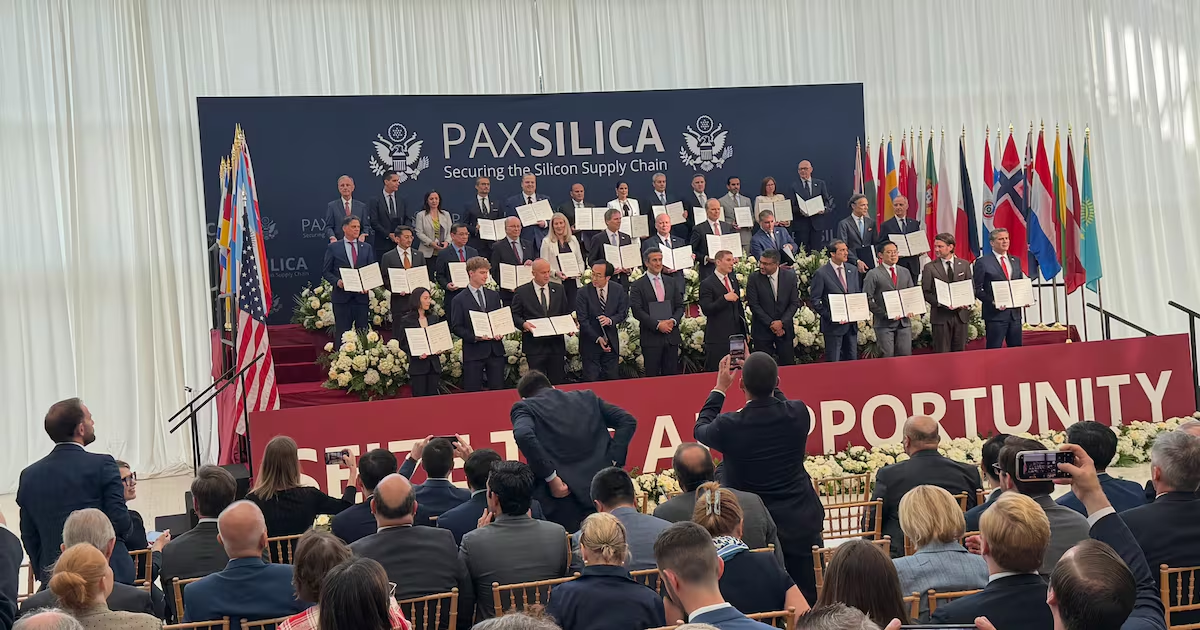
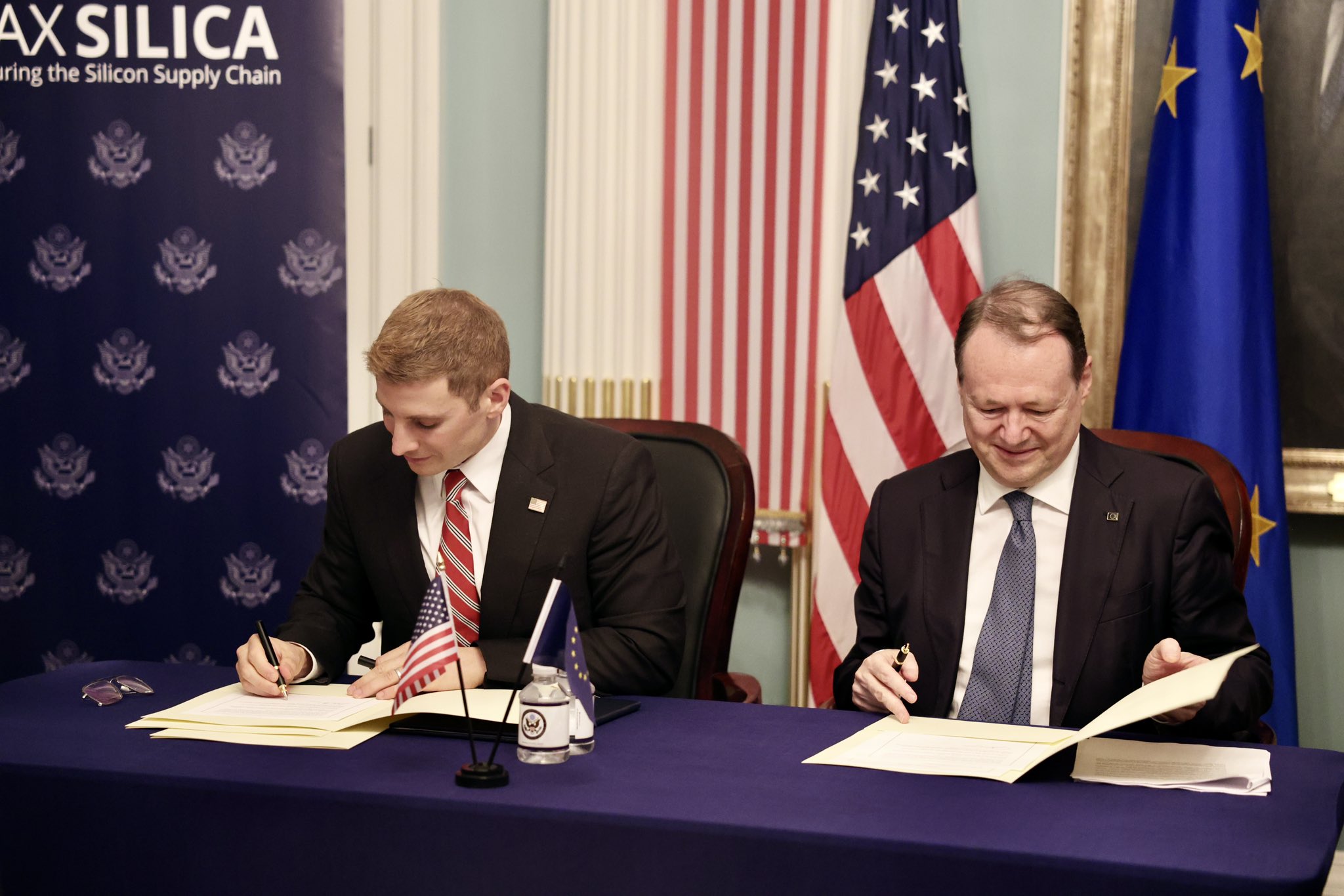
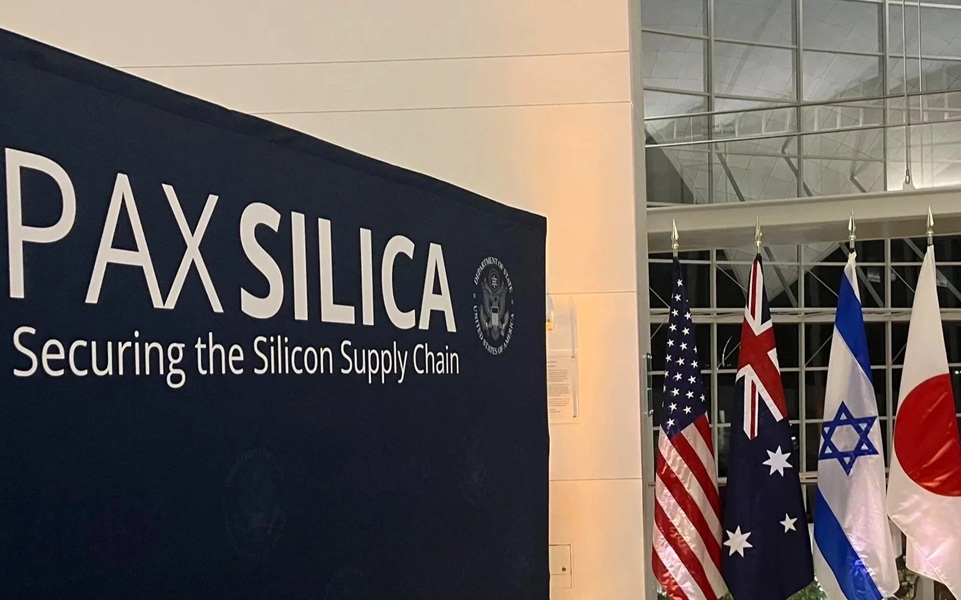
The newly launched Pax Silica initiative, which Greece formally joined through the signing of the declaration by Greece’s Ambassador to the United States Antonis Alexandridis and US Under Secretary of State for Economic Growth, Energy and the Environment Jacob Helberg, represents the principal vehicle through which the United States seeks to build a network of trusted partners across these sectors.
In many ways, Pax Silica constitutes a new form of strategic cooperation that officials and analysts in Washington have informally described as a “technological NATO.” Participating countries are expected to coordinate investments, share expertise, strengthen supply chains and deepen cooperation in critical sectors that are increasingly viewed as central to economic competitiveness and geopolitical influence.
At its core, the initiative reflects a broader American effort to reduce dependence on China and limit Beijing’s ability to exert technological and economic influence through critical supply chains. The Trump administration views technological competition with China as one of the defining geopolitical challenges of the coming decades and is seeking to shape a community of countries operating under shared standards of security, investment and technological cooperation.