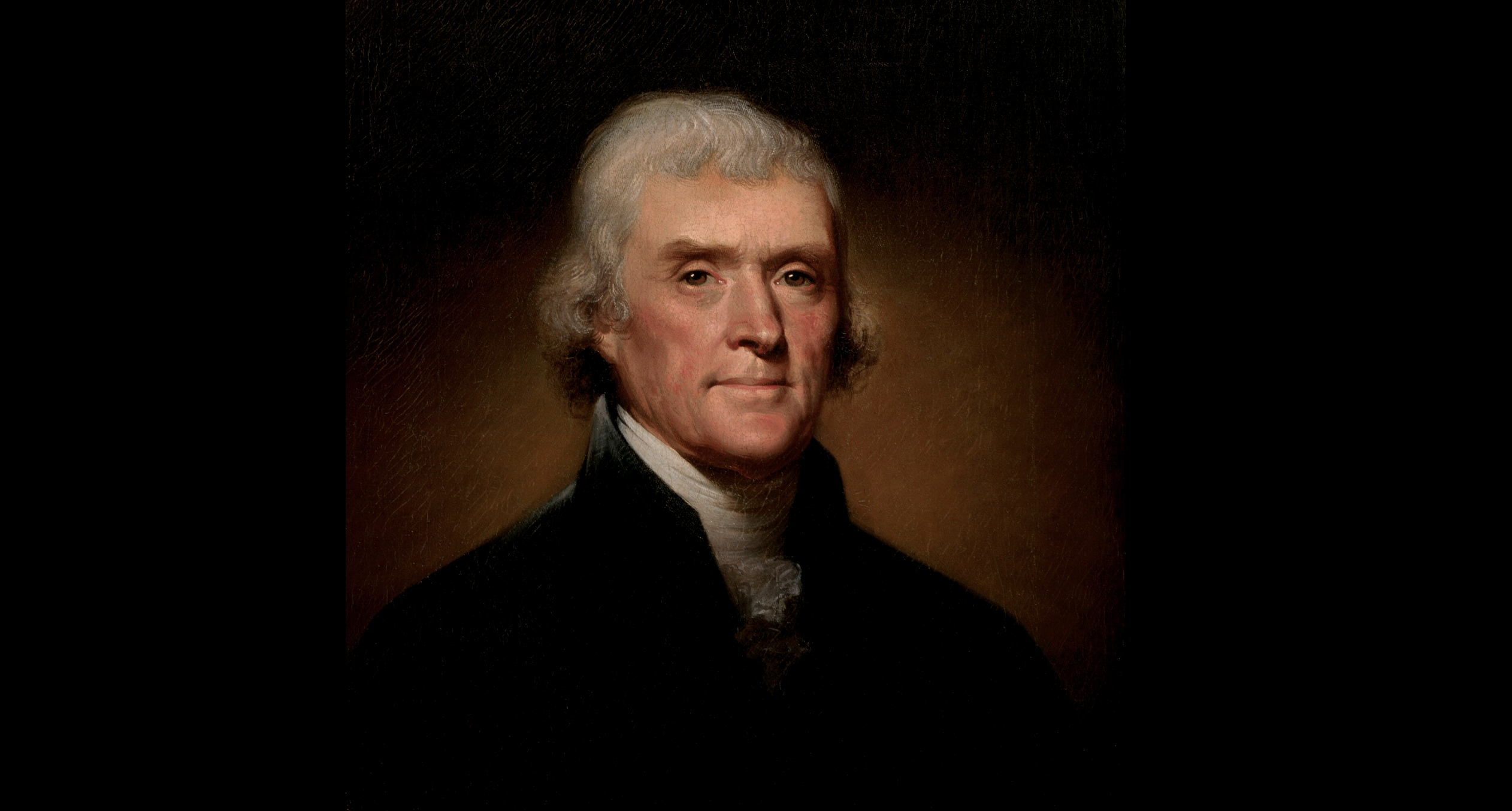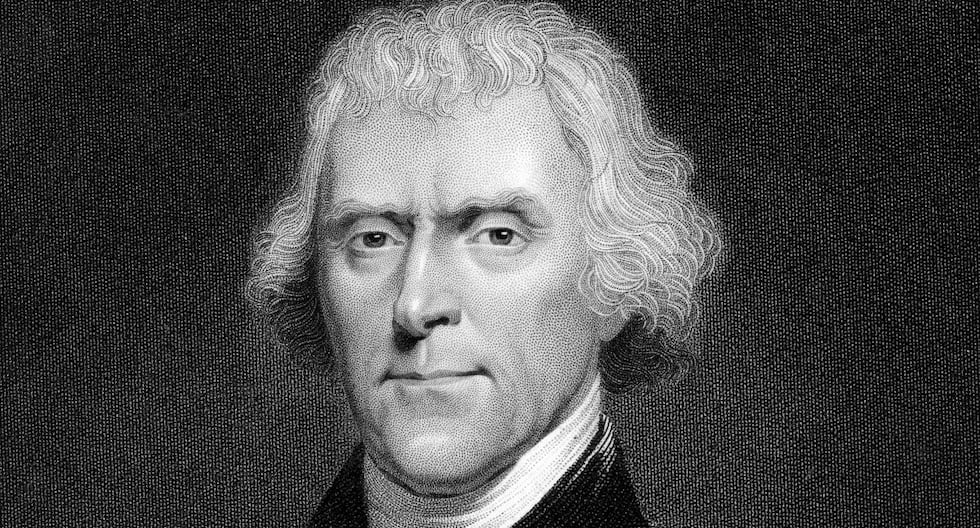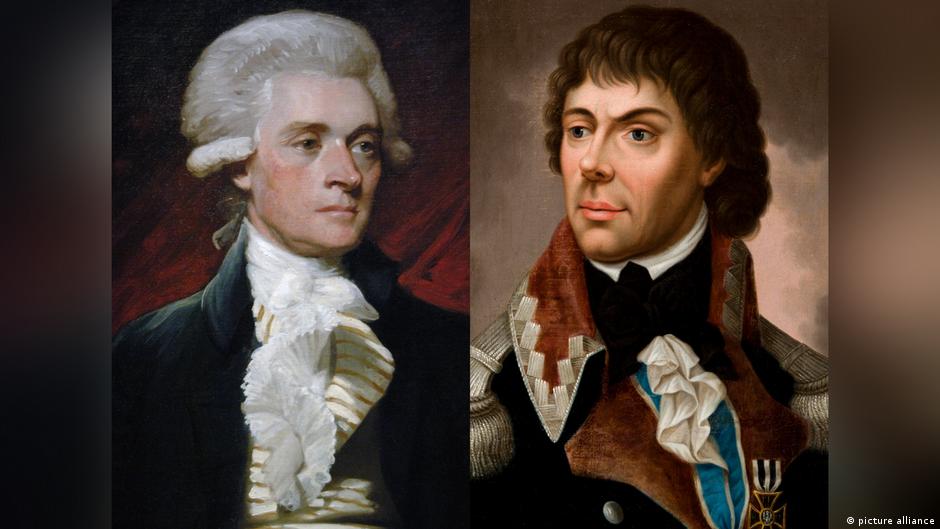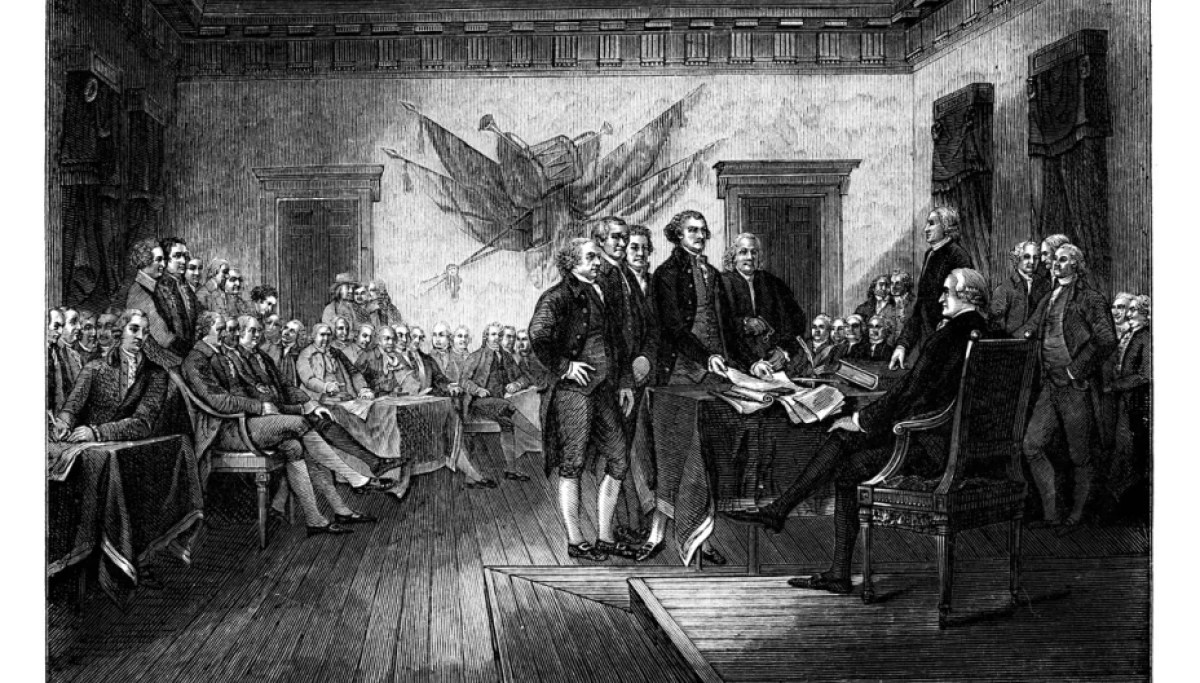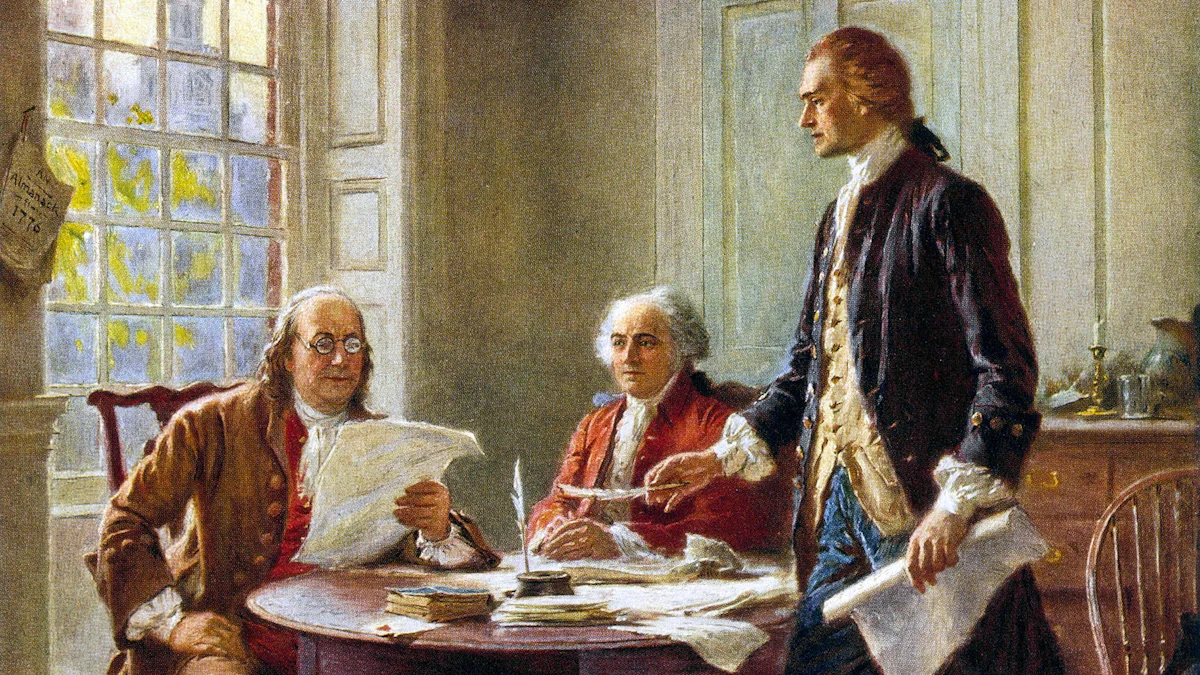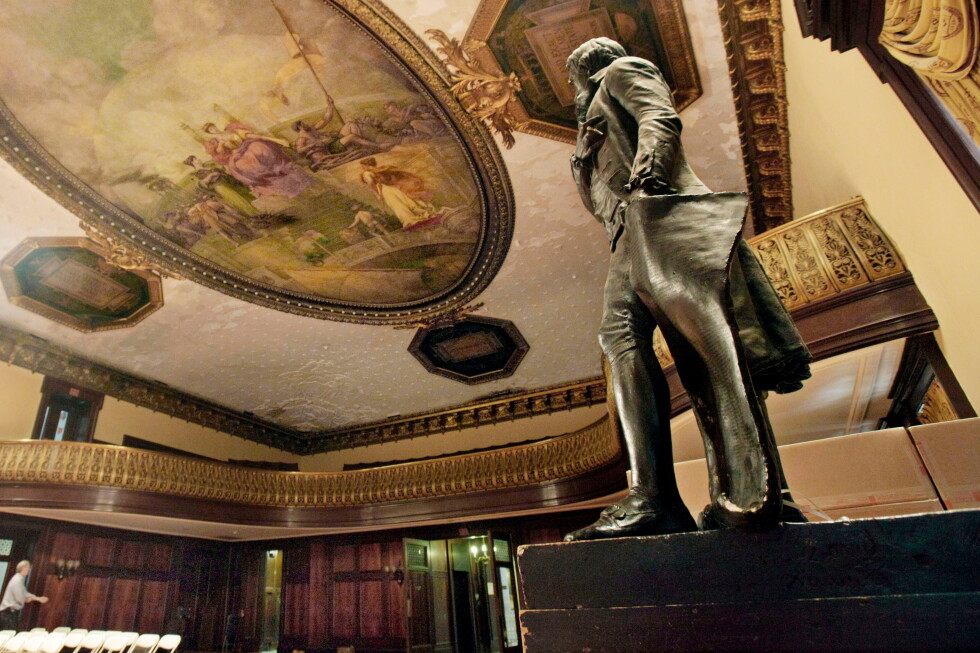
CHARLOTTESVILLE, Va. (AP) — He’s a prize-winning presidential historian who wrote an entire biography of Thomas Jefferson. But even Jon Meacham needs to think for a moment before defining what it means to be a “Jeffersonian.”“Well for a long time, before the civil rights movement, it meant to be more inclined toward states’ rights and limited government,” says Meacham, the National Constitution Center’s Semiquincentennial Scholar. He then pauses, and asks to start over, recalling how President Franklin Delano Roosevelt evoked Jefferson as an “apostle of liberty” who would have supported the U.S. fighting the Nazis in World War II. You could define it in so many ways. Historians may argue over the “greatness” of individual founders, but as the country’s 250th anniversary approaches many agree that no one’s life and work resonates like Jefferson’s. He embodied the “very best and the very worst” of the United States, Meacham says.
And a great deal in between. America’s birth is rooted in his most profound contradiction — the man who proclaimed that “all men are created equal” while being a slaveholder to the end of his life. But Jefferson advanced and explored both sides of so many issues and world views that have defined the country’s path: agrarian self-sufficiency and worldly innovation, pluralism and separatism, limited government and dreams of an “empire of liberty.”