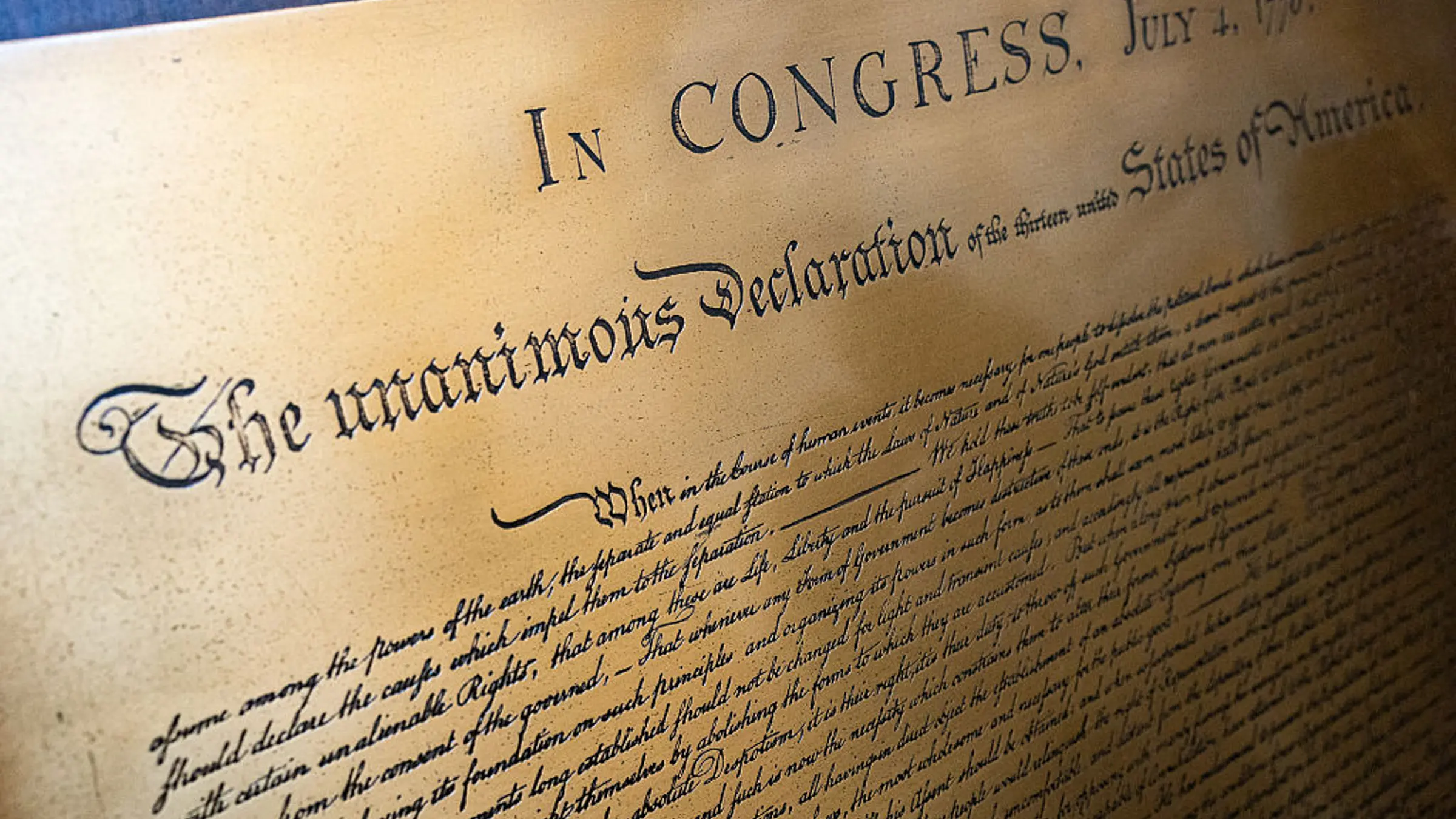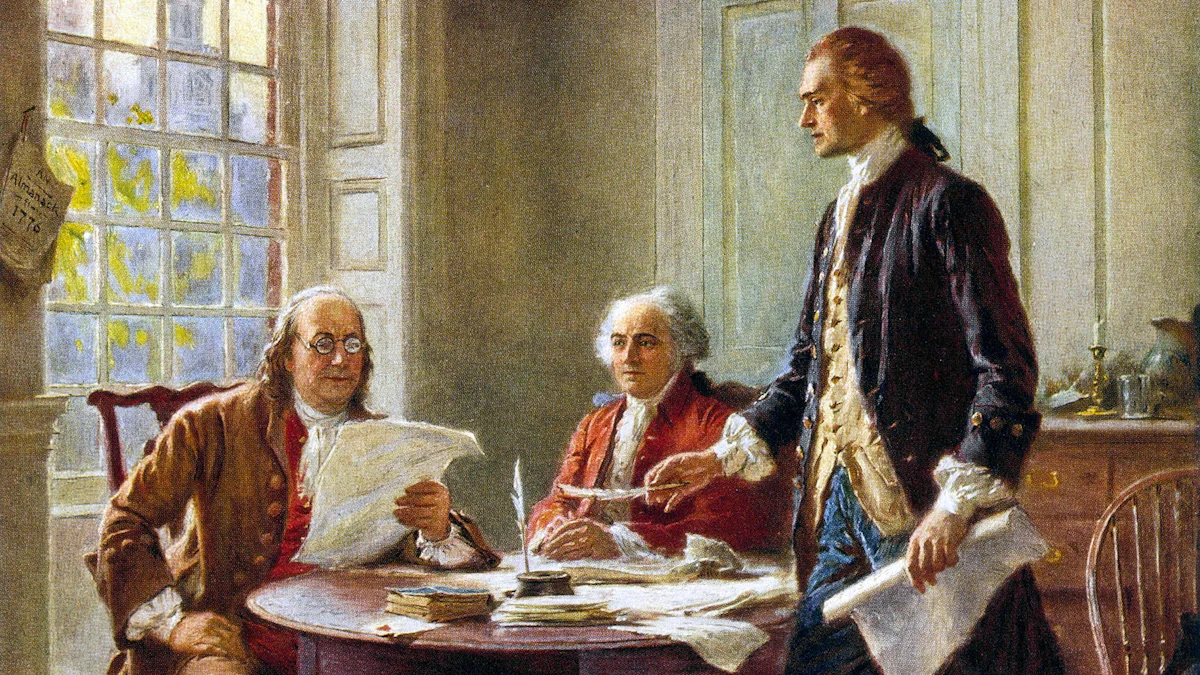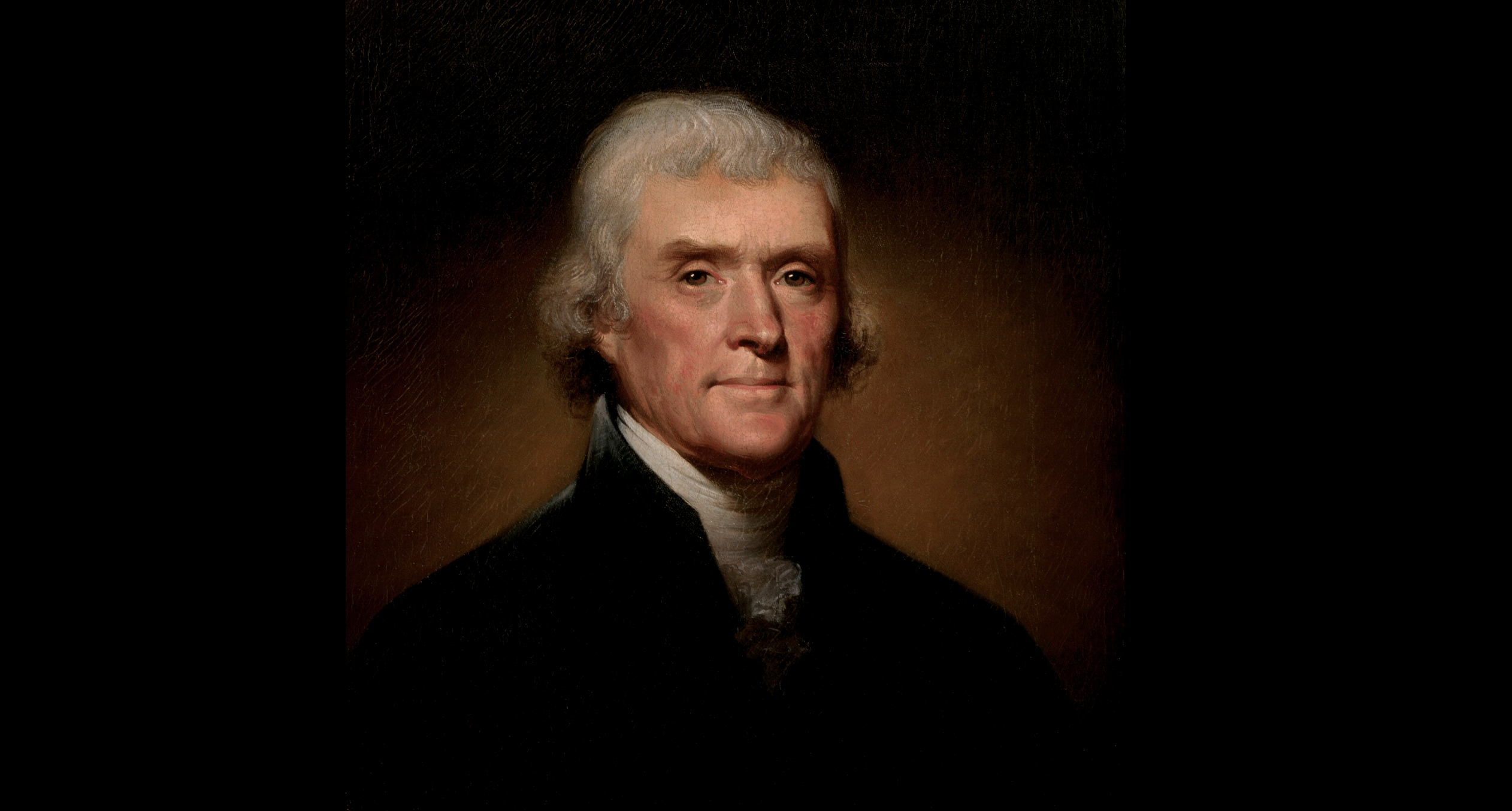
In June 1826, Thomas Jefferson penned his last-ever letter, an essay on the American project. He had been invited to attend a celebration in Washington, to mark the fiftieth anniversary of American independence, and he politely sent his regrets. Sickness now controlled him, but he applauded the sentiment, the fervor of commemoration, and offered his own thoughts on the American experiment. America was a nation built on an idea; an idea “pregnant” with “the fate of the world”; an idea that would drive tyranny and bondage from the earth. What was it? What was the secret of American felicity and prosperity? It was the scandal of equality, the brave assertion of human dignity: “the palpable truth, that the mass of mankind has not been born with saddles on their backs, nor a favored few booted and spurred, ready to ride them legitimately, by the grace of god.” No. In America, every life is sacred, and nobody is born to rule. That was America’s calling and its gift to the world.Article continues after advertisement
Consciously or otherwise, Jefferson was quoting from a speech delivered by the English radical Richard Rumbold moments before he was executed for high treason in 1685. But the tables had turned. What was crime and delusion in the Old World was real and true in America. Patriots of Jefferson’s generation had the dizzying sensation of learning from the pioneers while breaking free and building something new. America was first in freedom, a lamp and guide to the nations. “All eyes are opened, or opening, to the rights of man,” he marveled. America’s anniversary was a message to the world—“the Signal of arousing men to burst the chains under which monkish ignorance and superstition had persuaded them to bind themselves, and to assume the blessings & security of self-government.”