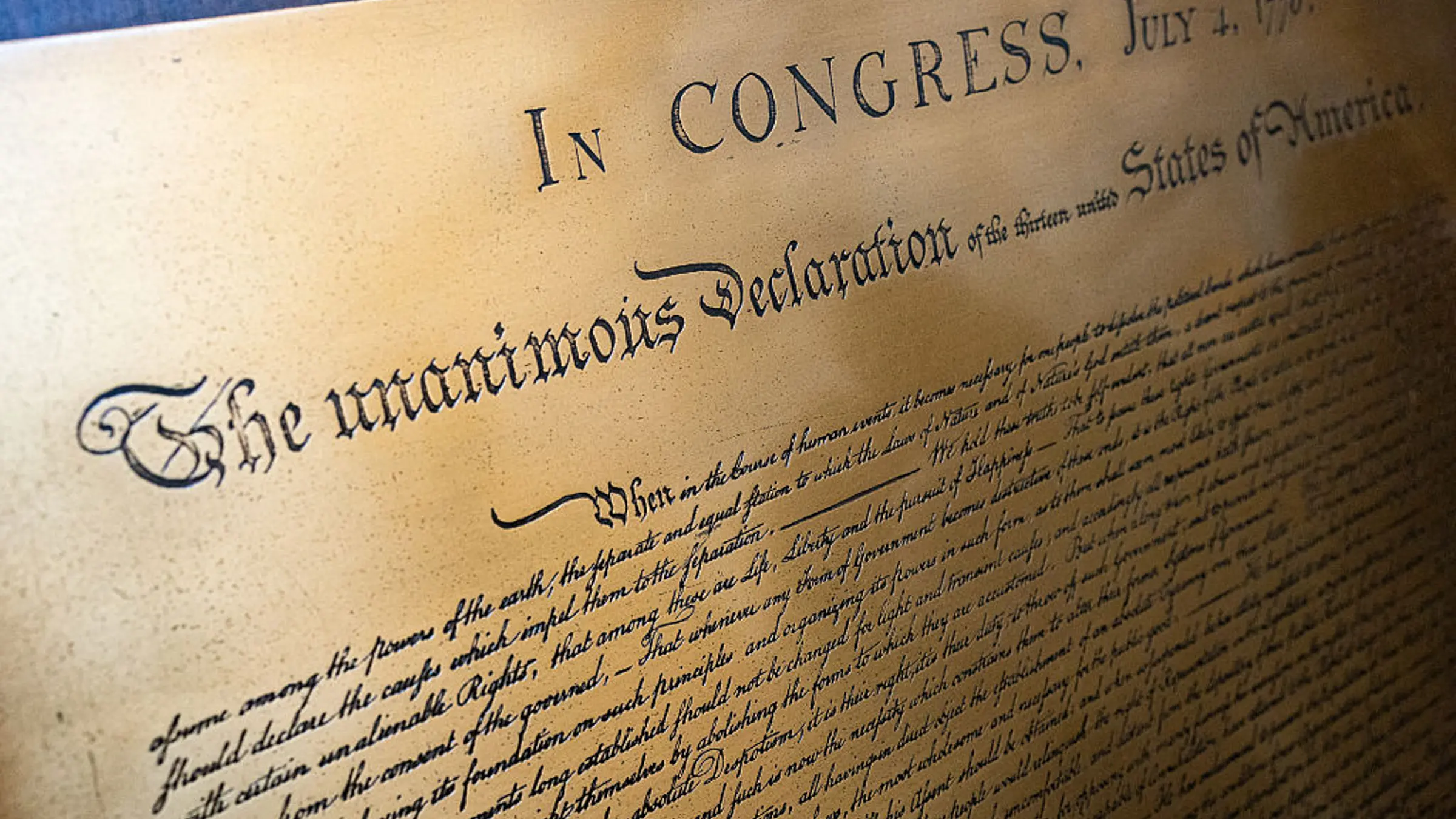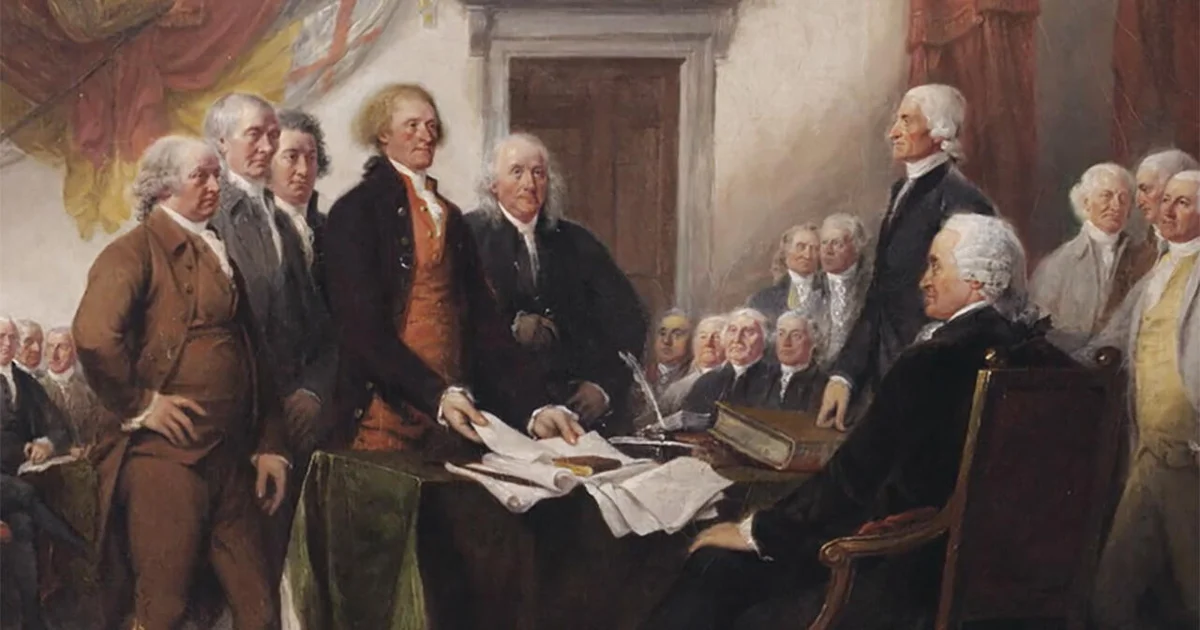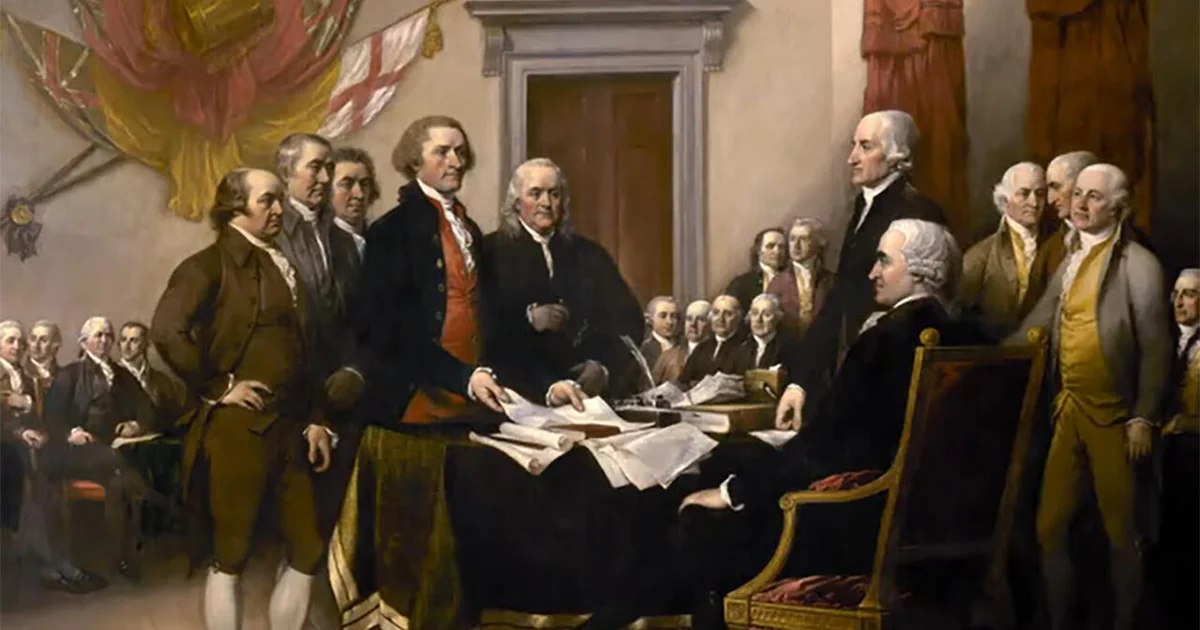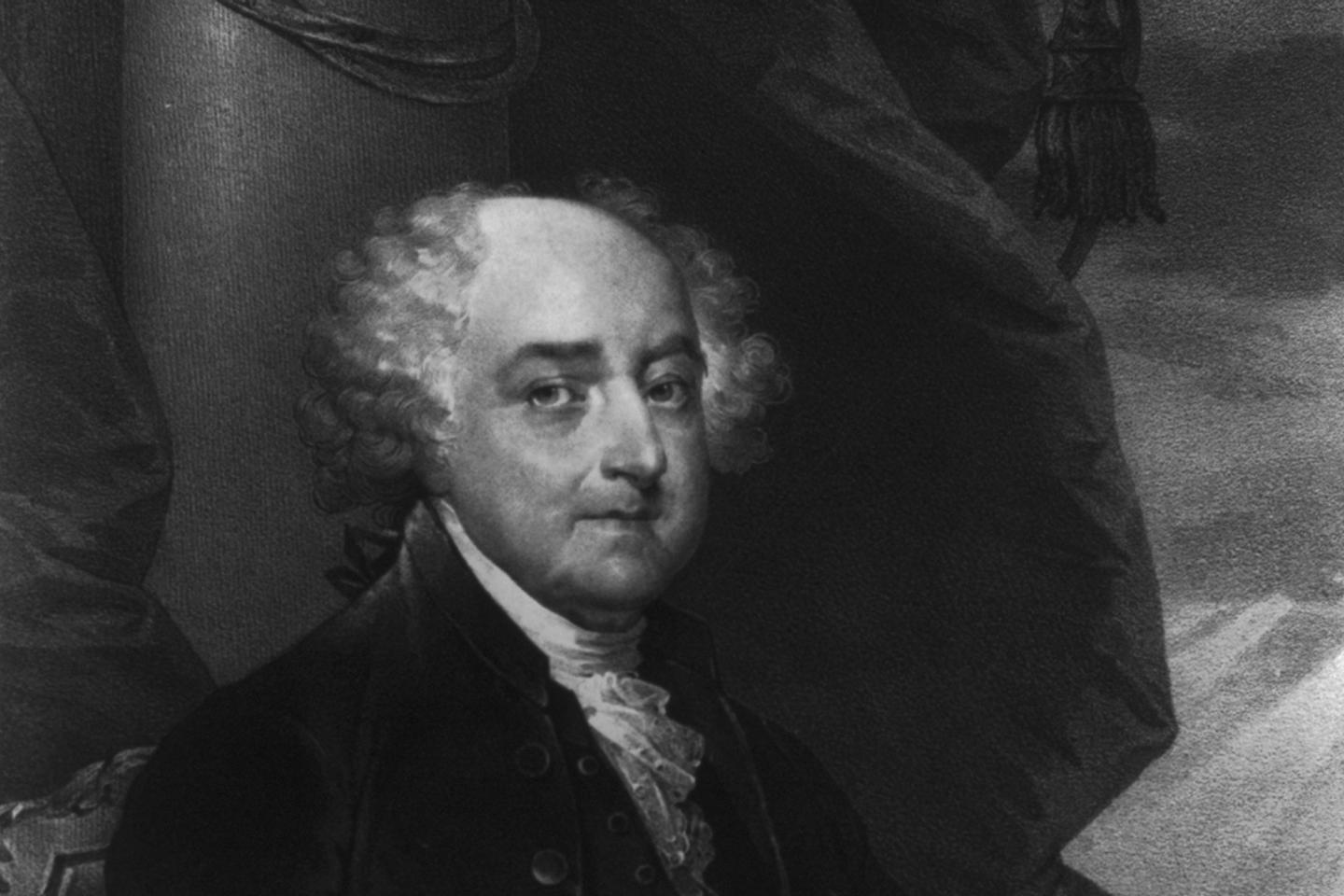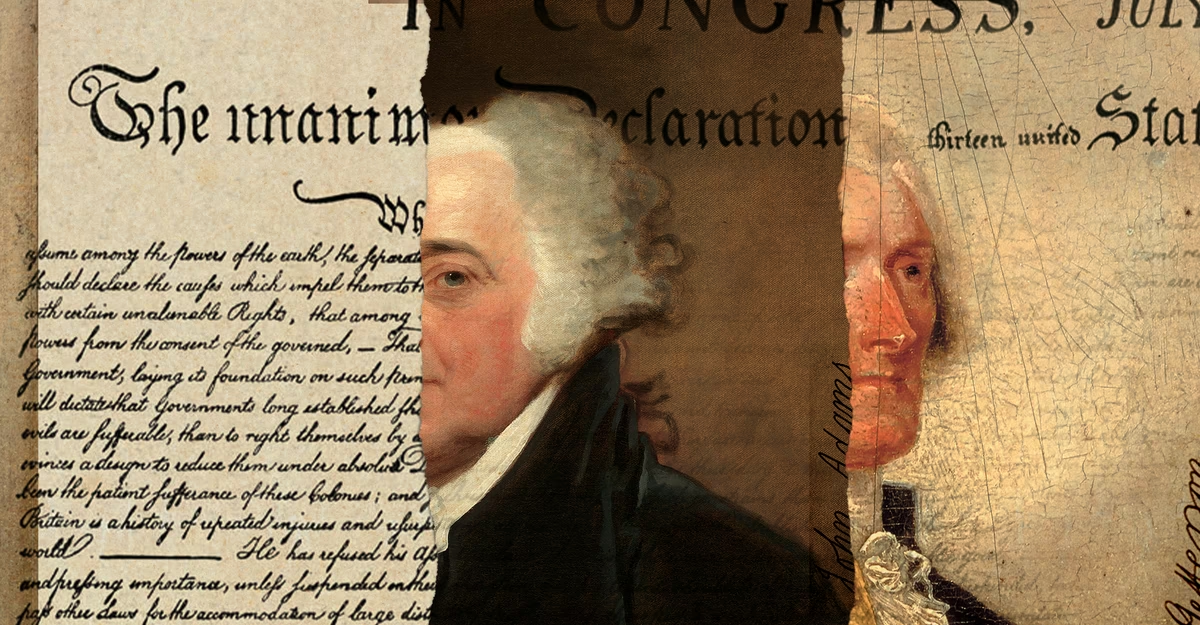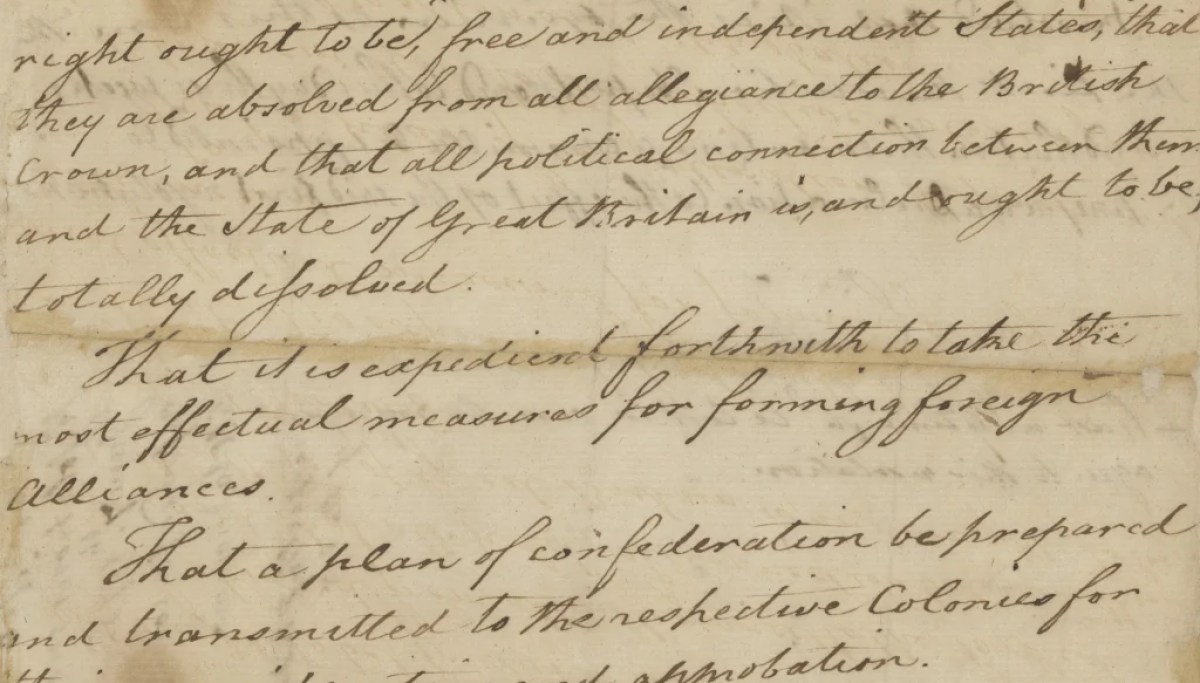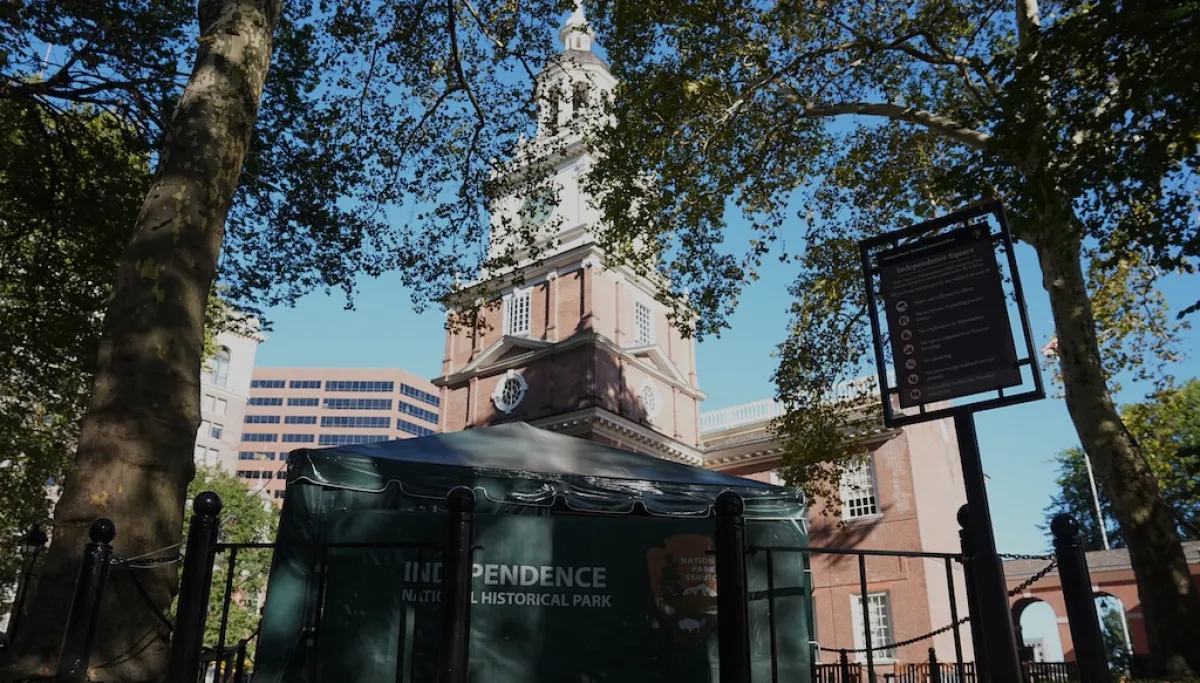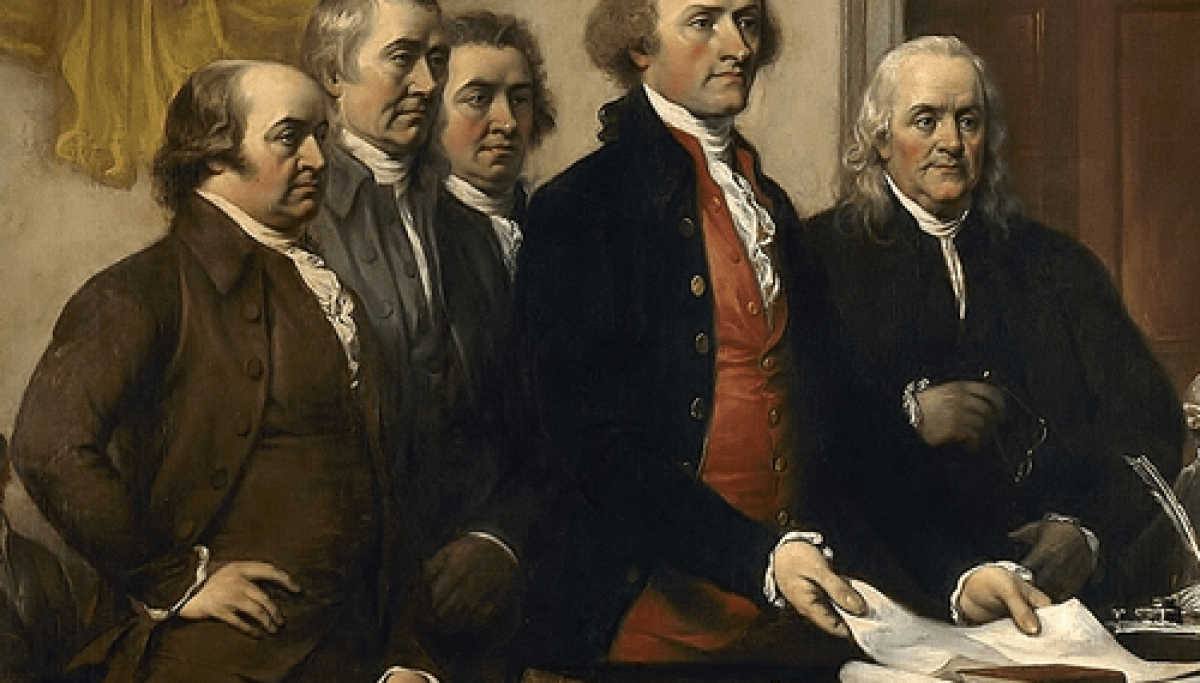
June was a fateful time in America 250 years ago. The 13 colonies, still part of the British Empire, had been in rebellion for over a year, ever since fighting had erupted in Massachusetts at Lexington and Concord. Gen. George Washington and the Continental Army had recently forced British troops out of the colonies, but everyone knew the redcoats would soon return to regain control. Meeting in Philadelphia, the Second Continental Congress, a provisional government created by the colonists to manage the crisis, had tried to work out a reconciliation with England, but to no avail. A complete separation seemed inevitable.If Congress were to take that drastic step, an official document announcing the decision would be needed. Two members of the body stood out as prime candidates for such a momentous assignment: John Adams and Thomas Jefferson. Jefferson thought Adams should write the Declaration of Independence because he was seven years older, but Adams insisted that Jefferson, 33, should do it. Jefferson asked why. Adams replied, “Reason first: you are a Virginian and a Virginian ought to appear at the head of this business. Reason second: I am obnoxious, suspected and unpopular. You are very much otherwise. Reason third: You can write ten times better than I can.”
Mending broken relationships: A Fourth of July story
At age 90, John Adams lay on his deathbed. Before he took his last breath, he is said to have uttered the words, “Thomas Jefferson still survives.”
506 words~2 min read