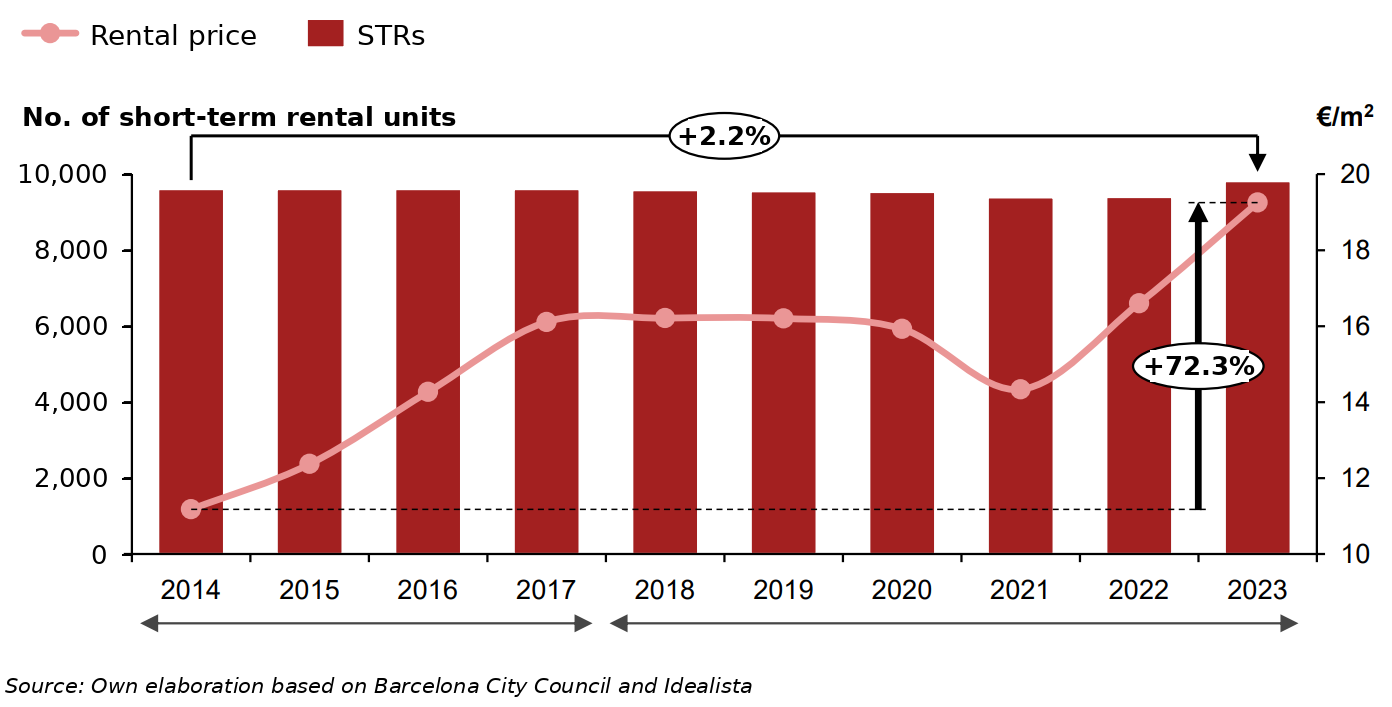
Barcelona’s short-term rental (STR) market is not a regulatory gap waiting to be filled. STRs have been regulated since 1998 and a moratorium on new licences has existed since 2014. Since then, the number of STRs has held steady at roughly 10,000 units for over a decade — barely 1 percent of total housing stock.
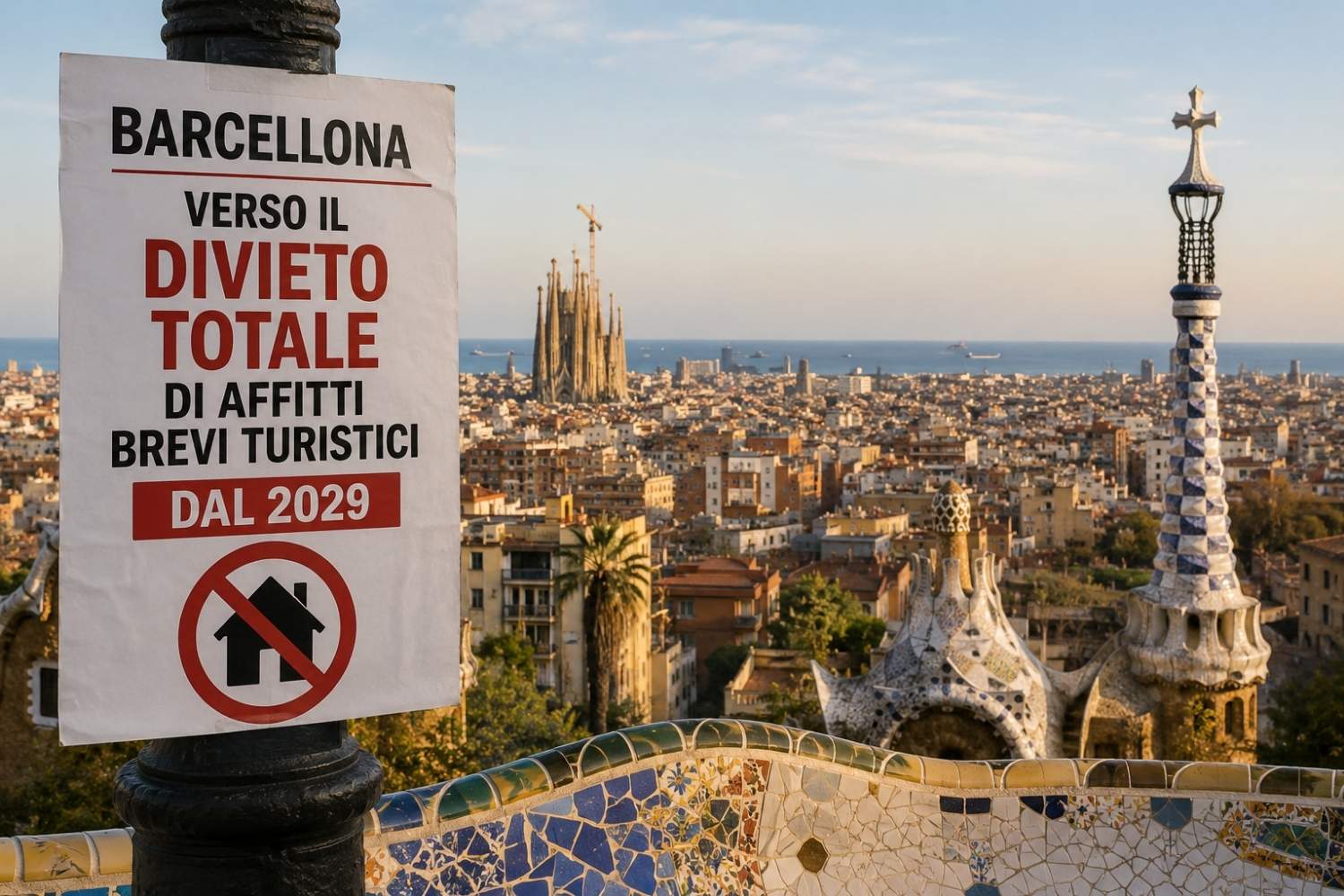
Yet Mayor Jaume Collboni intends to remove all legal STRs from the market by 2028. Framed as a housing remedy, the decision raises a broader and uncomfortable question for Brussels: how far can a public authority go in eliminating a lawful, regulated economic activity without first demonstrating that the measure is necessary, proportionate and effective?
A housing promise that doesn’t add up
Mayor Collboni has placed eliminating STRs at the center of his housing agenda. The promise is simple: remove STRs and those homes will return to residents. But evidence demonstrates the opposite. The city council has yet to demonstrate how eliminating legally licensed STRs would result in putting those houses on the market.
The city’s own research undermines their objective. The Barcelona Institute of Economics’ study, commissioned by the city council itself in September 2025, acknowledged that a full conversion of STR units to residential use “could be partial or might not occur at all for various reasons. For example, some homes could move to the seasonal rental market or remain closed and vacant pending court rulings.”