Story audio is generated using AI
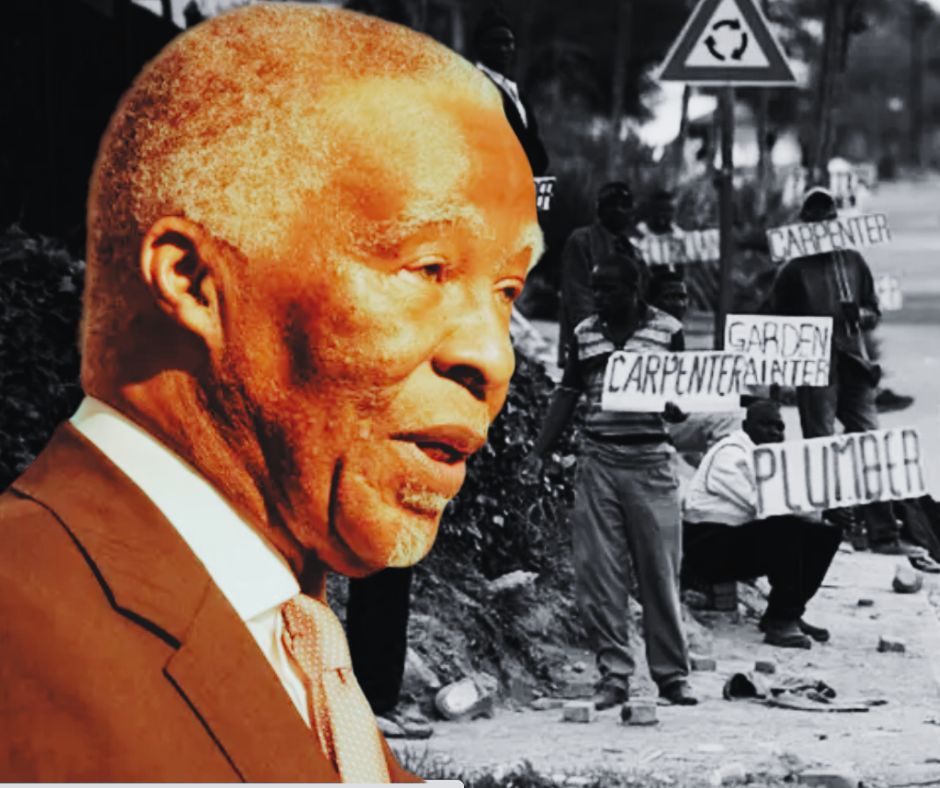
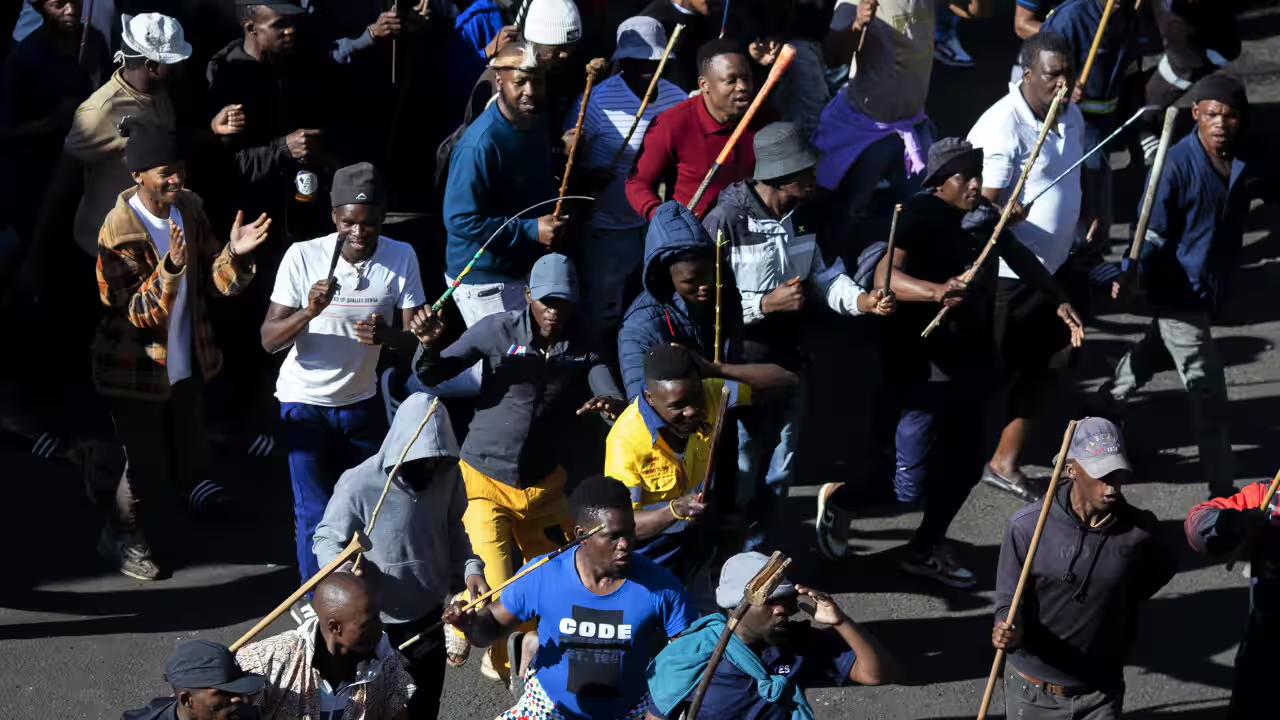
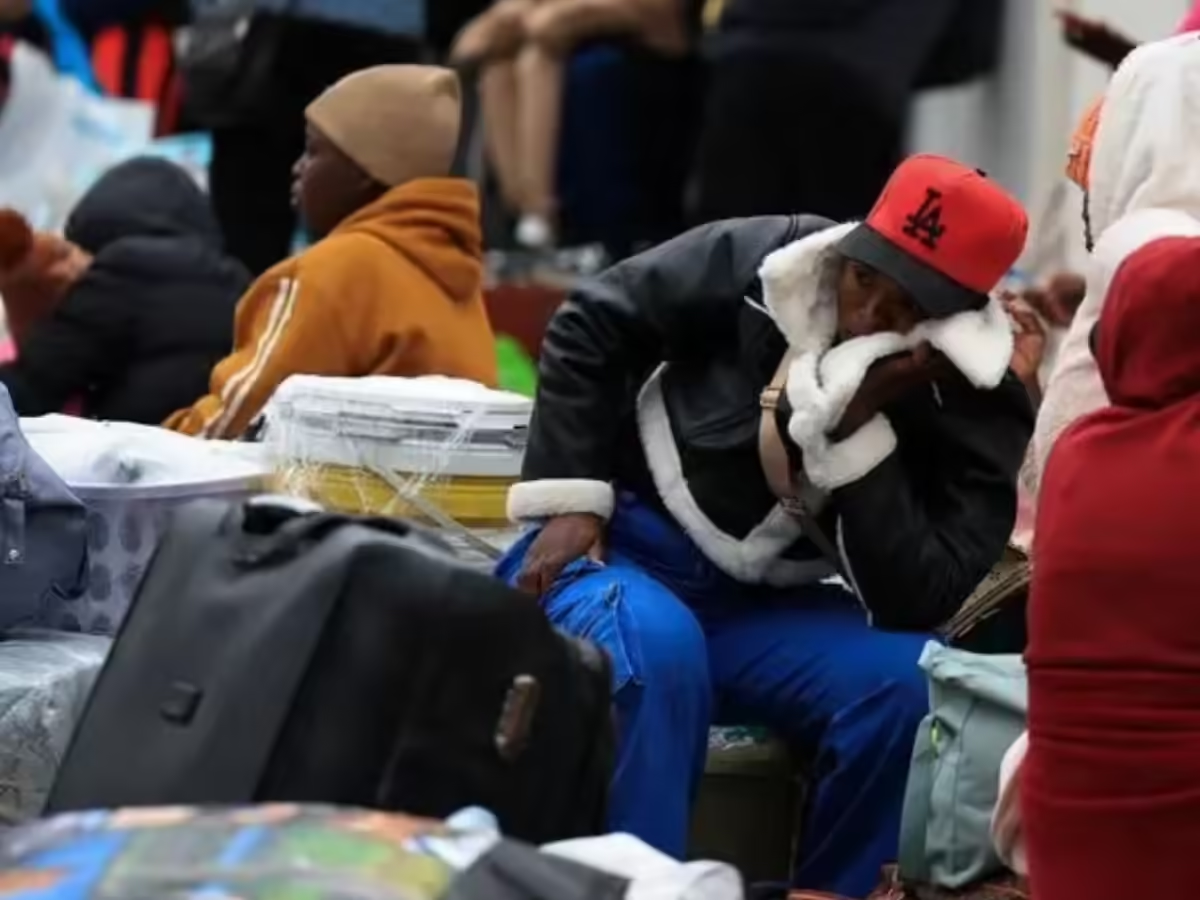
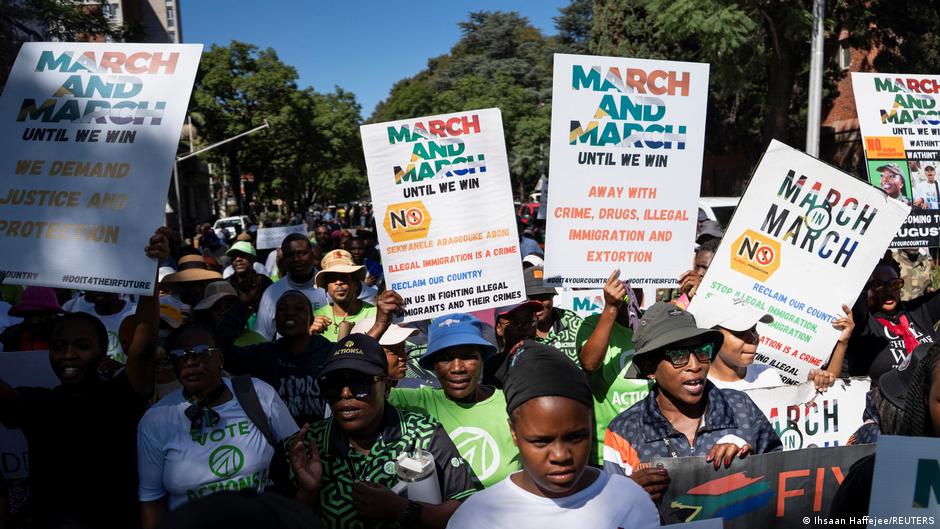
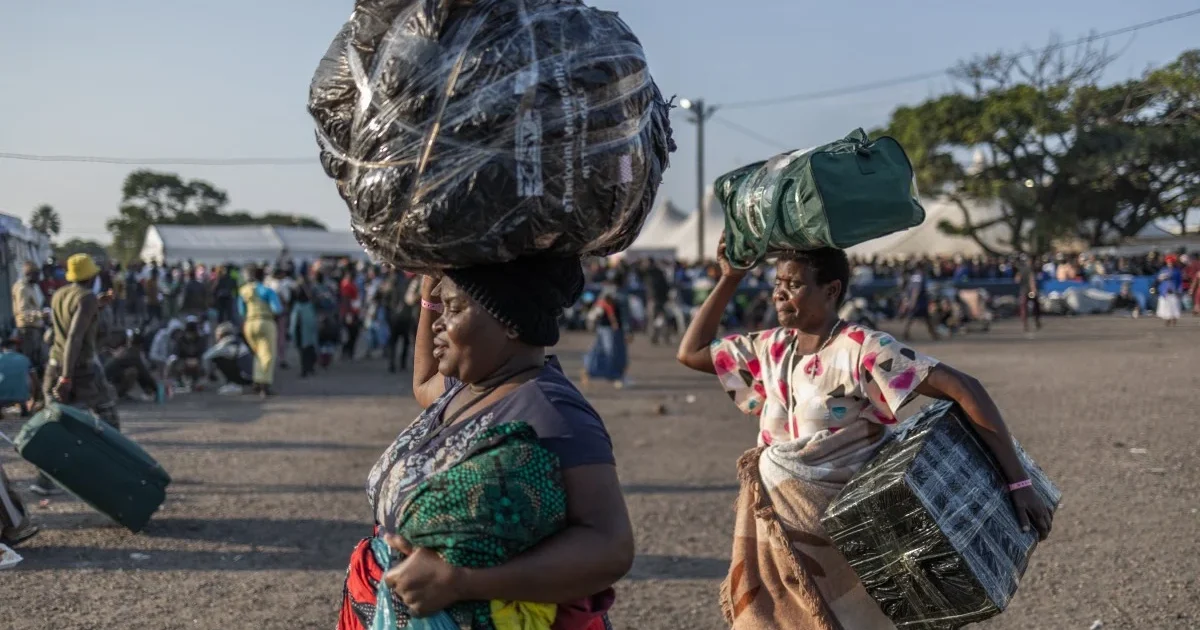
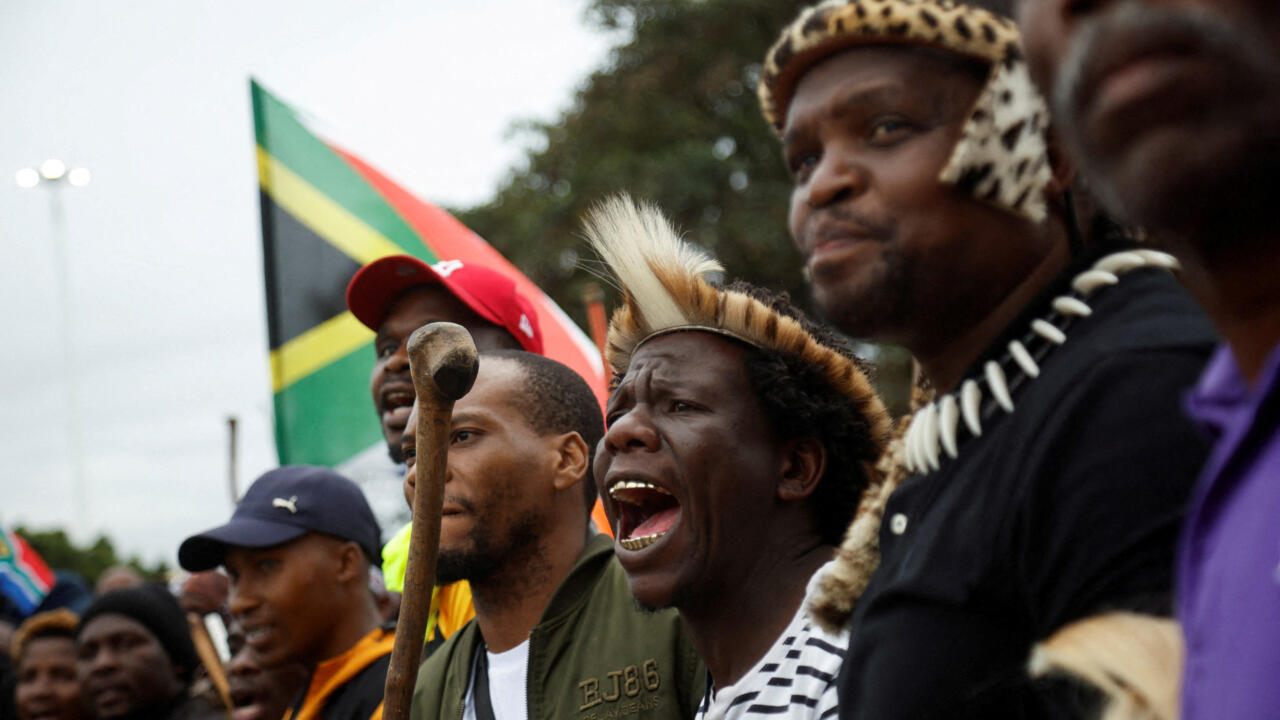
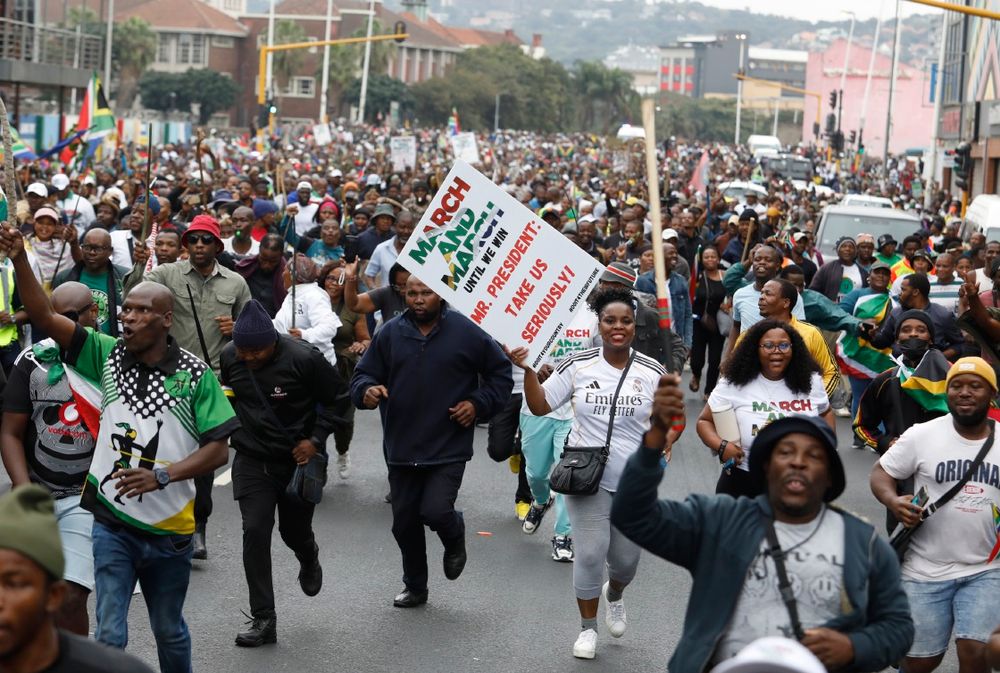
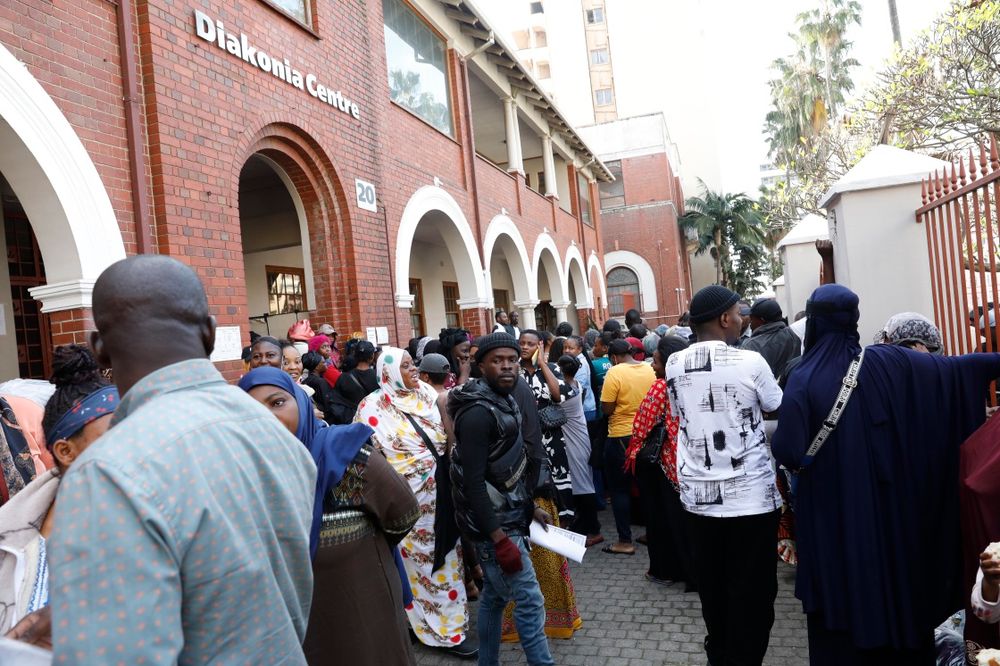
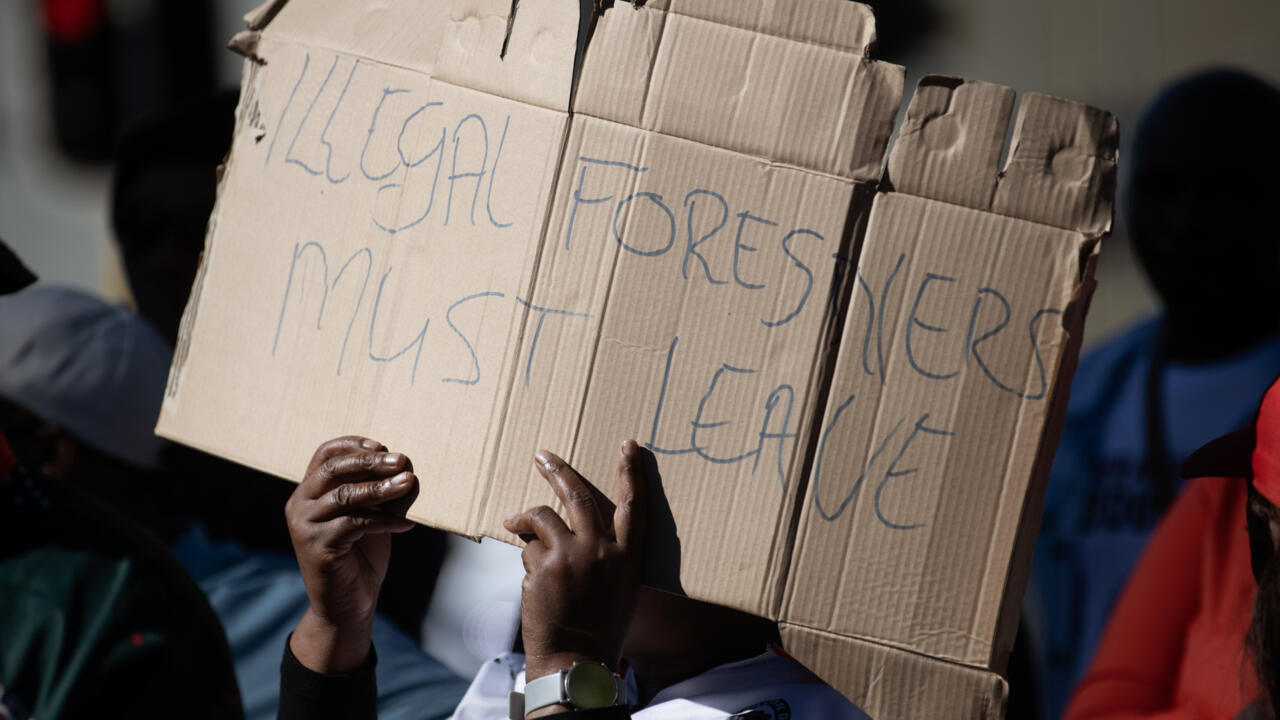
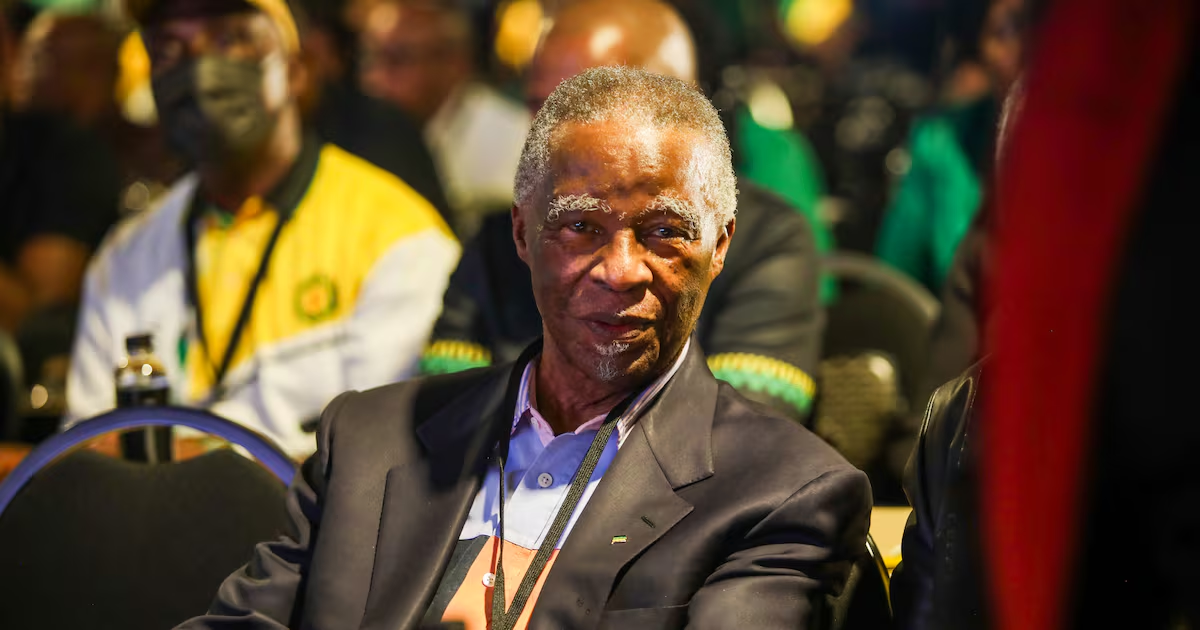
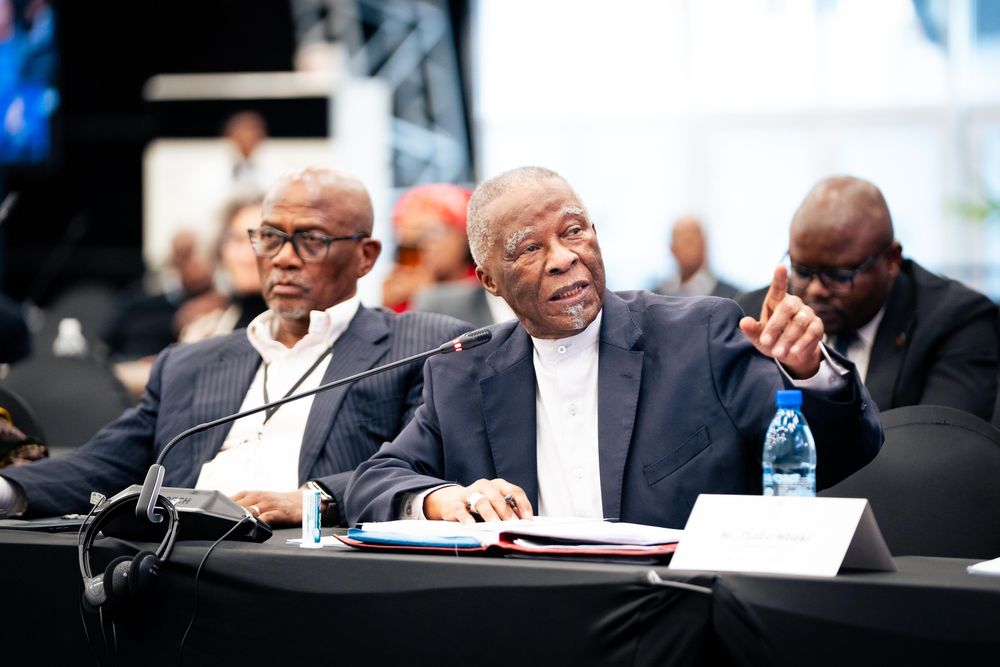
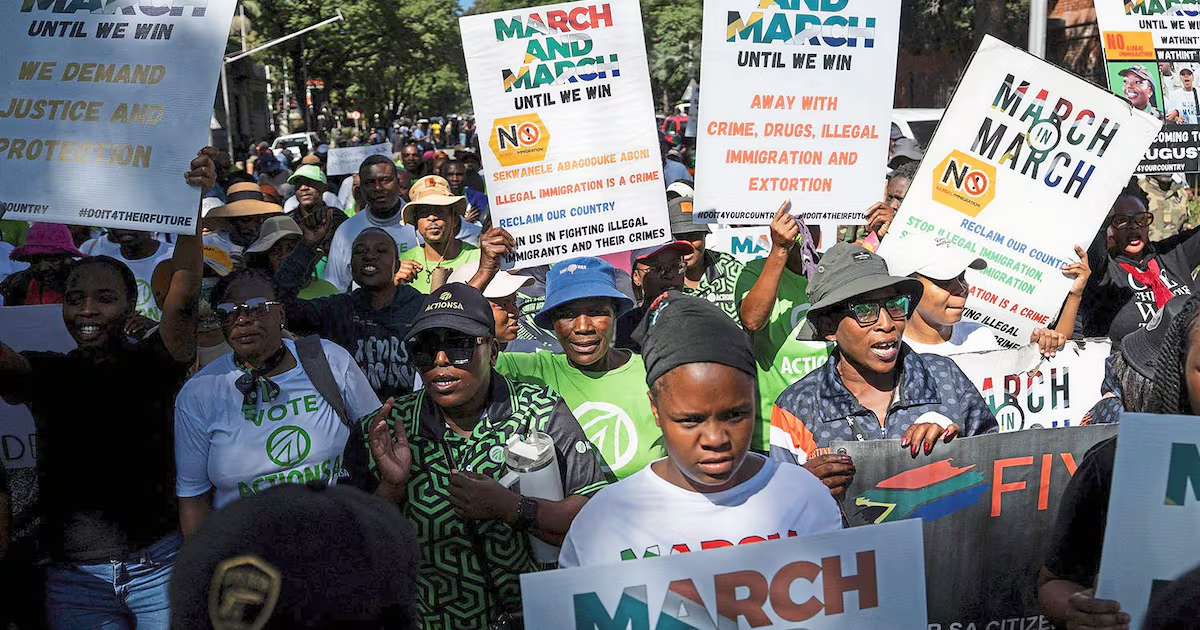
South Africa’s waves of anti-immigrant protests are not spontaneous revolts by citizens but carefully orchestrated ploys driven by political objectives, former president Thabo Mbeki said on Monday.Speaking on the eve of expected nationwide demonstrations, Mbeki did not say who was behind the ploys. Drawing on a still-classified intelligence report from the 2008 xenophobic attacks, Mbeki said the violence that began in Alexandra was not simply an eruption of hostility towards African migrants but a co-ordinated effort aimed at forcing Zimbabweans living in South Africa to return home and influence that year’s election against Zanu-PF.He said subsequent attempts to spread the violence failed in areas such as Katlehong because local ANC, SACP and trade union structures refused to participate. Mbeki also argued that violence against foreign traders in Cape Town townships is rooted less in ethnic hatred than commercial competition, which was resolved through agreements between local and Somali traders.“That thing was not xenophobia from the ordinary people of Alexandra saying we hate these Africans. It didn’t come from that. It was a deliberate decision to drive out as many Zimbabweans as possible to go and vote in Zimbabwe in that 2008 election in Zimbabwe,” Mbeki said during a seminar on Monday. “We made a mistake in 2008 in government … the mistake we made is this — the intelligence service at the time, which was in better shape than it is today, actually looked at that. In Alexandra, that’s where it started … intelligence did a very detailed report about what that thing was … it wasn’t xenophobia.”His remarks came hours before protests planned for Tuesday targeting government offices and foreign-owned businesses across Johannesburg, Pretoria, Durban and other cities, part of a co-ordinated campaign demanding tougher action against undocumented migrants.Protest figures Ngizwe Mchunu and Nkosikhona “Phakelumthakathi” Ndabandaba have, in their various anti-immigrant marches, mostly in KwaZulu-Natal, the Eastern Cape and Gauteng, made use of Zulu regalia and songs calling for foreign nationals to leave South Africa.Similar protests in 2021 went out of control, leaving 534 people dead and causing damage to the economy to the value of more than R50bn. South Africa has experienced weeks of protests led by anti-immigration activists who have issued a June 30 deadline for undocumented migrants to leave the country. Fear of xenophobic attacks has prompted thousands of people ― mostly from other African countries ― to flee their homes. The governments of Nigeria, Ghana, Malawi and Zimbabwe have repatriated some of their citizens, but thousands of people are still waiting for assistance.The government has rejected the June 30 deadline, saying that Tuesday continues to be a normal working day. This is against the backdrop of a planned shutdown by anti-immigrant groups, including March and March. It has allocated R600m to deploy the police to anticipated hotspots and has placed the SANDF on standby as the country braces for anti-immigrant protests led by March and March and its allies. Operation Dudula and March and March have previously prevented non-South Africans from accessing public healthcare facilities, arguing that undocumented migrants are stretching public services to breaking point. Expected June 30 hotspots: (Karen Moolman) President Ramaphosa in his weekly newsletter on Monday appealed for calm, acknowledging public concerns about undocumented immigration, border security and pressure on public services. But he insisted these must be addressed through constitutional processes rather than by individuals taking the law into their own hands. He warned that the right to protest does not permit threats, intimidation, vandalism or violence and stressed that enforcing immigration laws is the state’s responsibility. Intelligence reports identified dozens of co-ordinated marches planned across major cities, including Johannesburg, Pretoria, Durban, Bloemfontein and Kimberley, targeting home affairs offices, police stations and foreign-owned businesses, with several rated high severity.Ramaphosa acknowledged that South Africa’s immigration system needs significant reform and said the government is already strengthening border management, improving asylum and visa systems, and tackling corruption — steps that followed the cabinet’s recent approval of a comprehensive approach for migration management. #sapsHQ [2 884 FOREIGN NATIONALS AMONGST 15 384 ARRESTED DURING NATIONWIDE SHANELA II OPERATIONS, 101 UNLICENSED FIREARMS AND 620 DANGEROUS WEAPONS SEIZED THIS WEEK]This week, the #SAPS arrested 15 384 suspects for various offences during nationwide SHANELA II operations… pic.twitter.com/wFcCoMnufK— SA Police Service 🇿🇦 (@SAPoliceService) June 29, 2026