Story audio is generated using AI
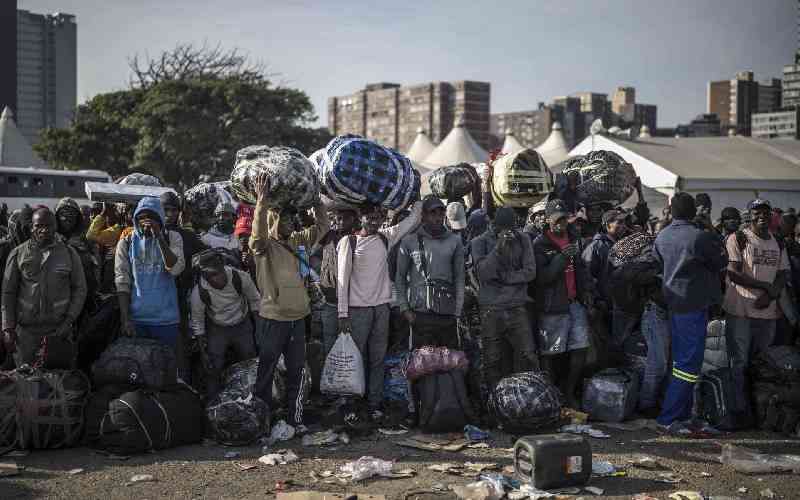
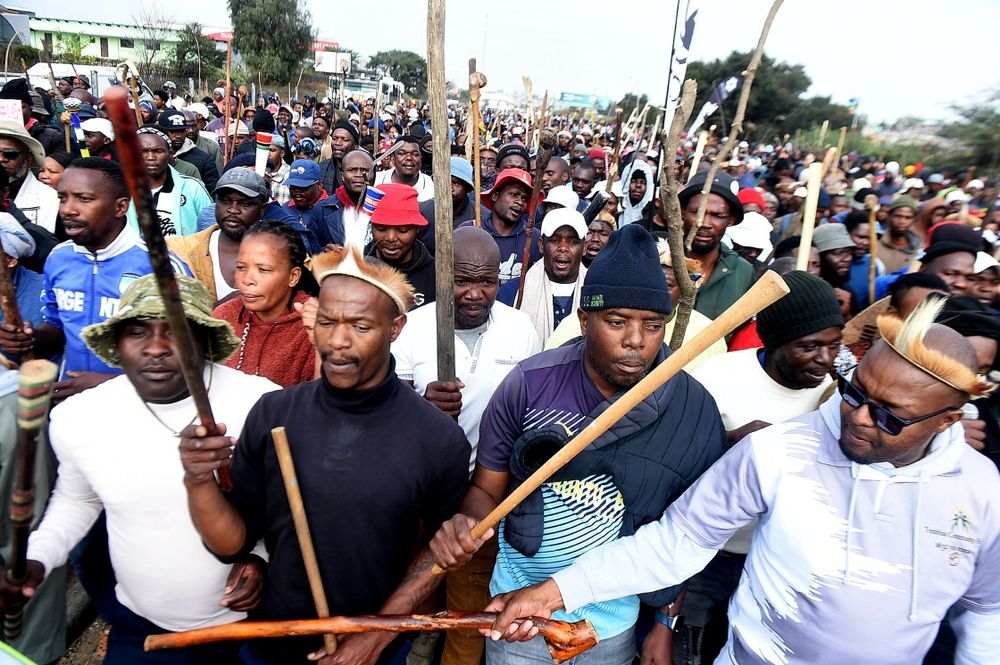
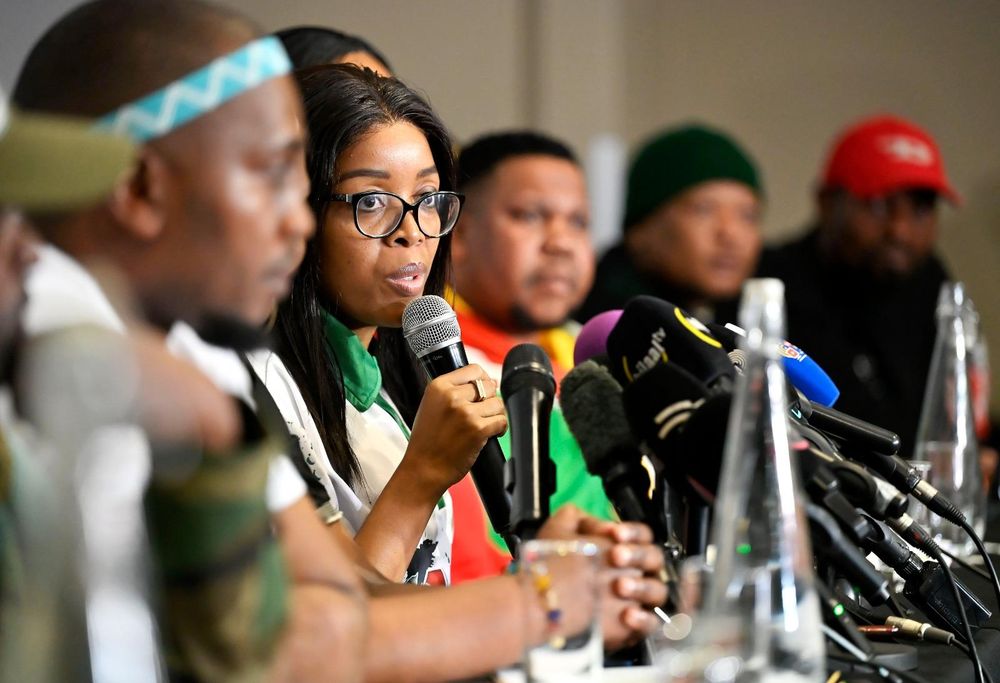
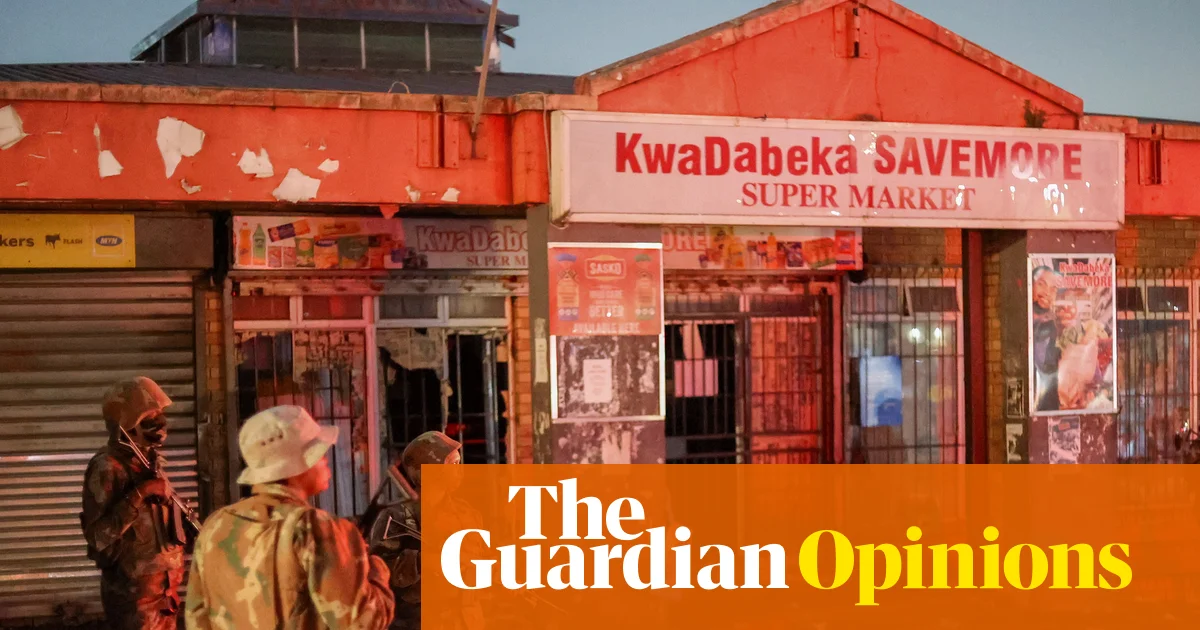
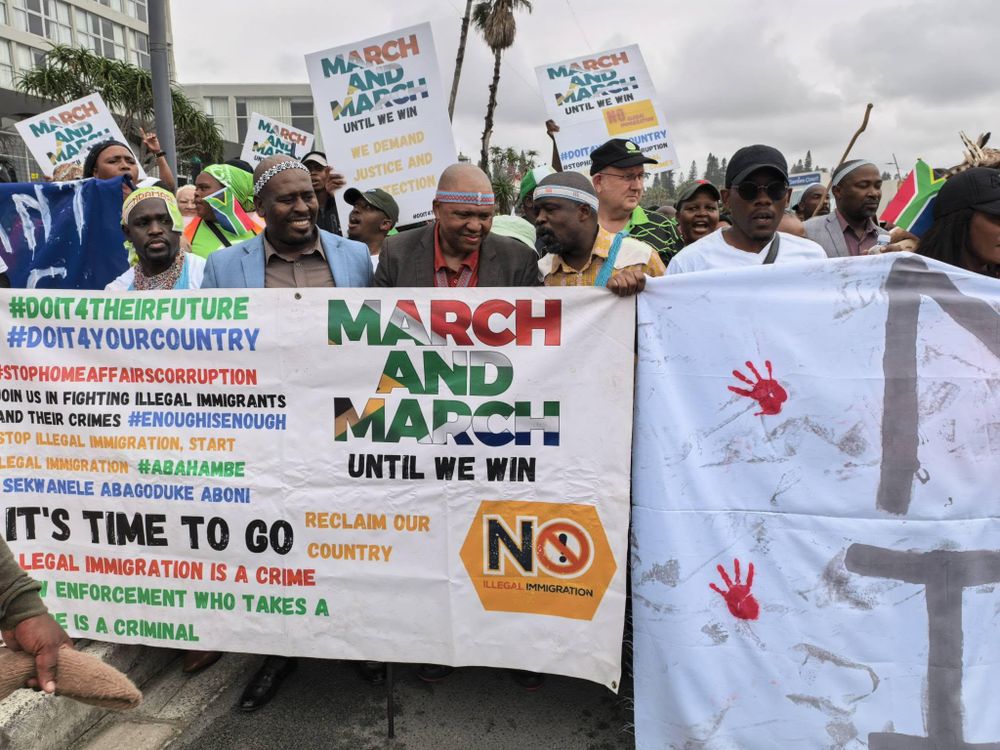
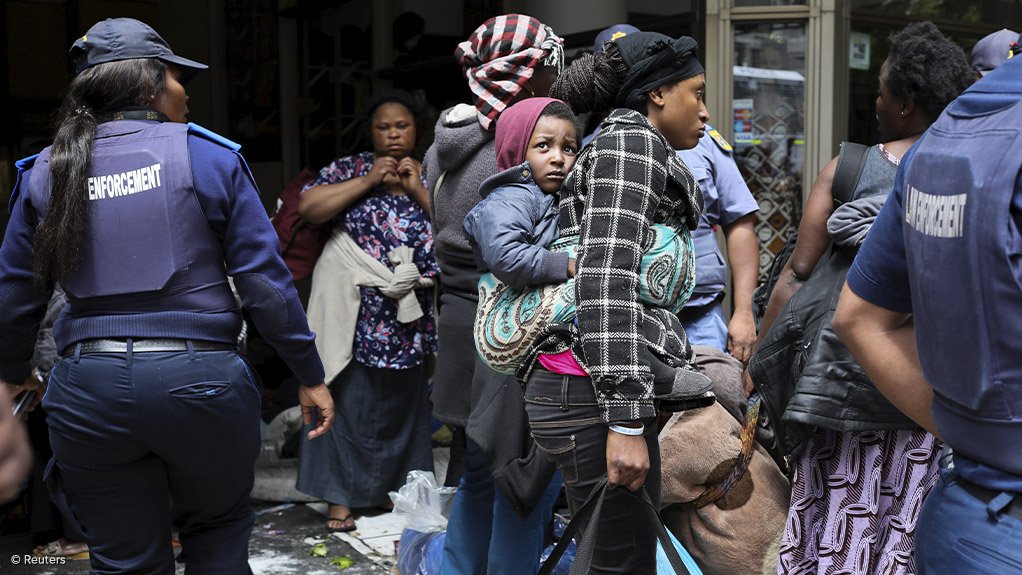
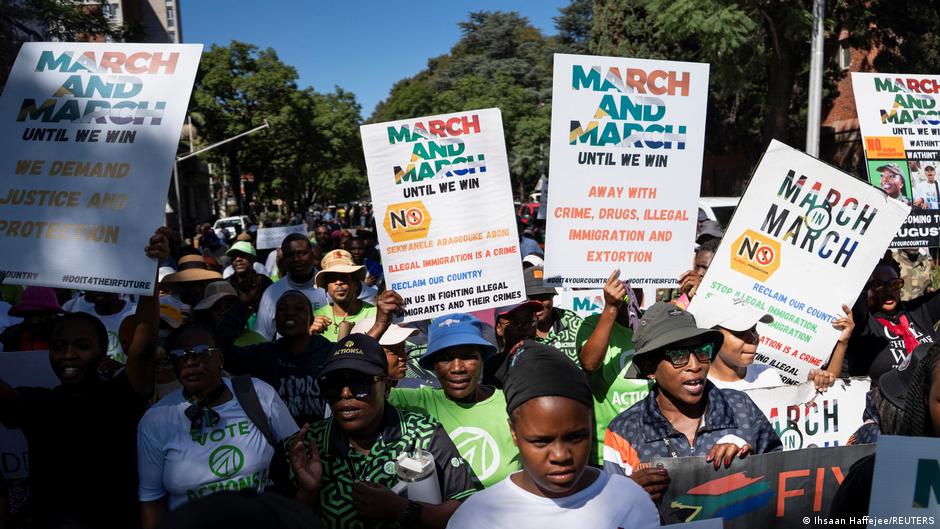
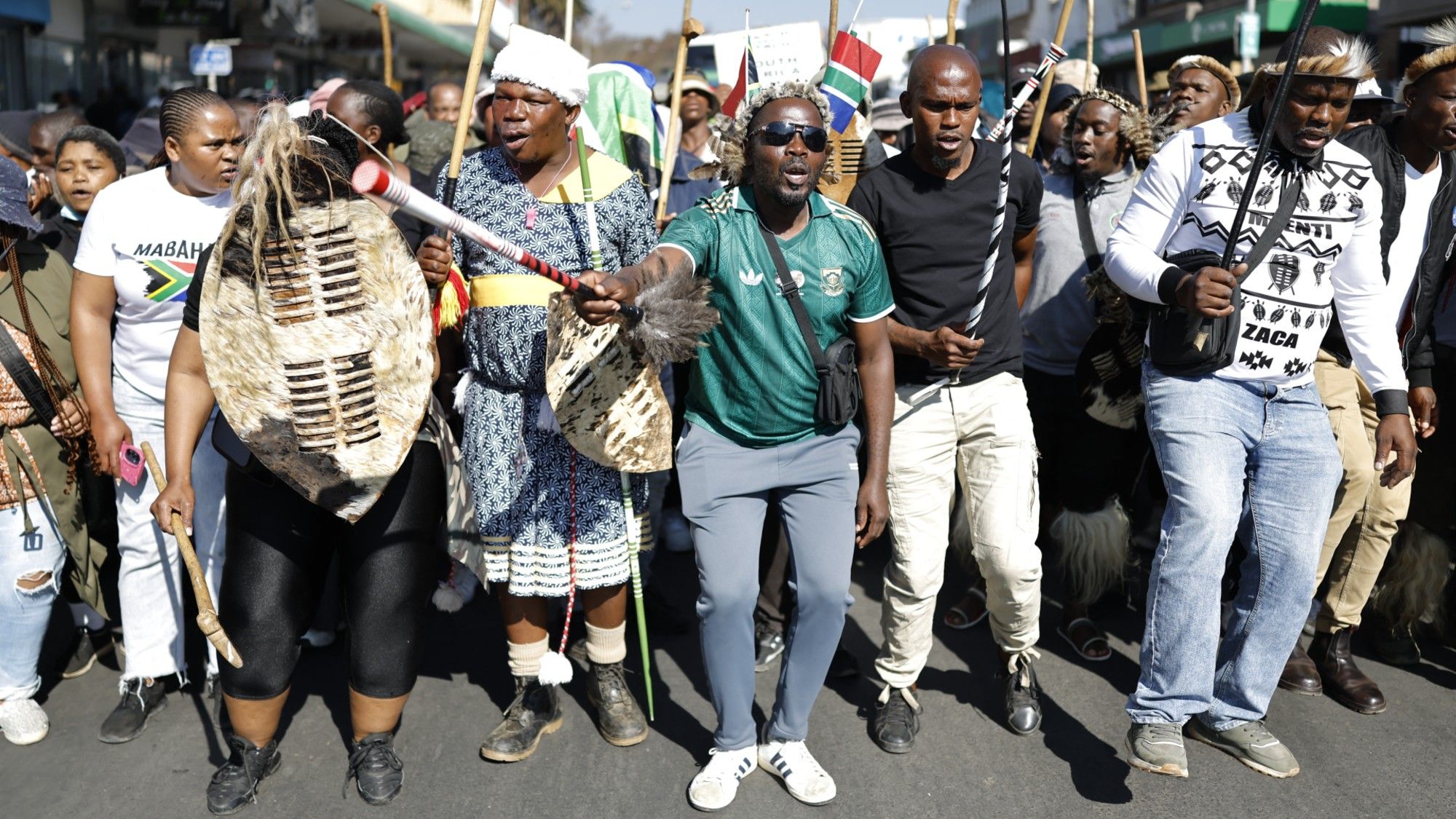
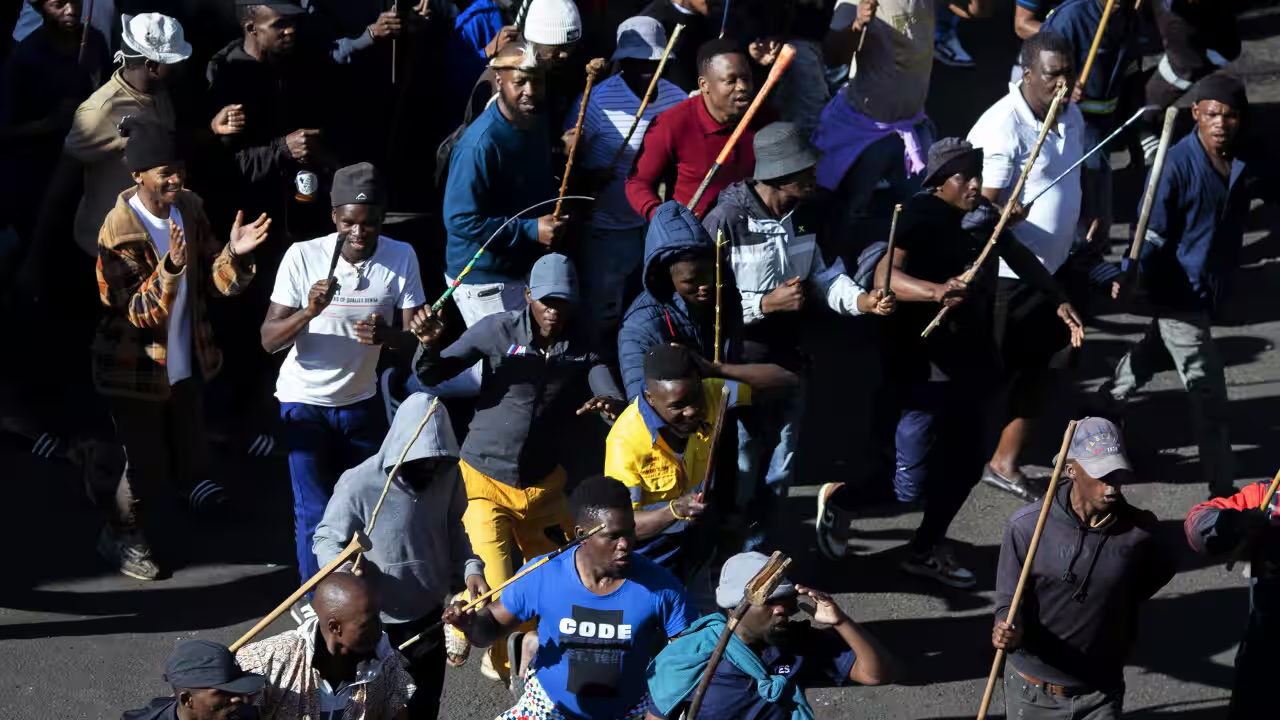
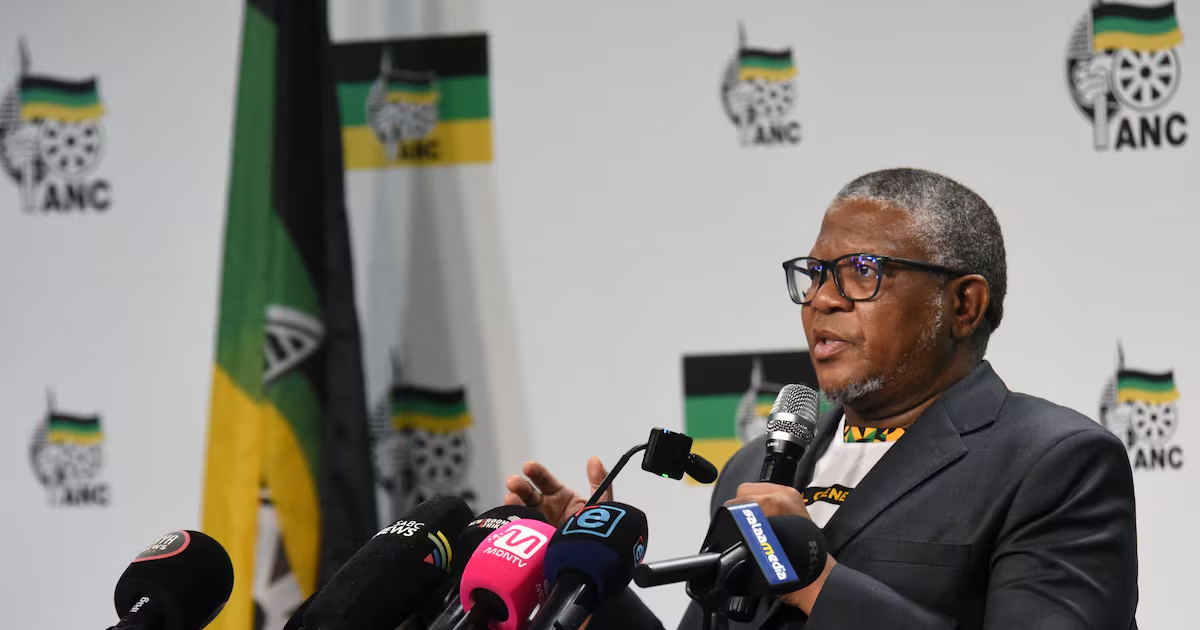
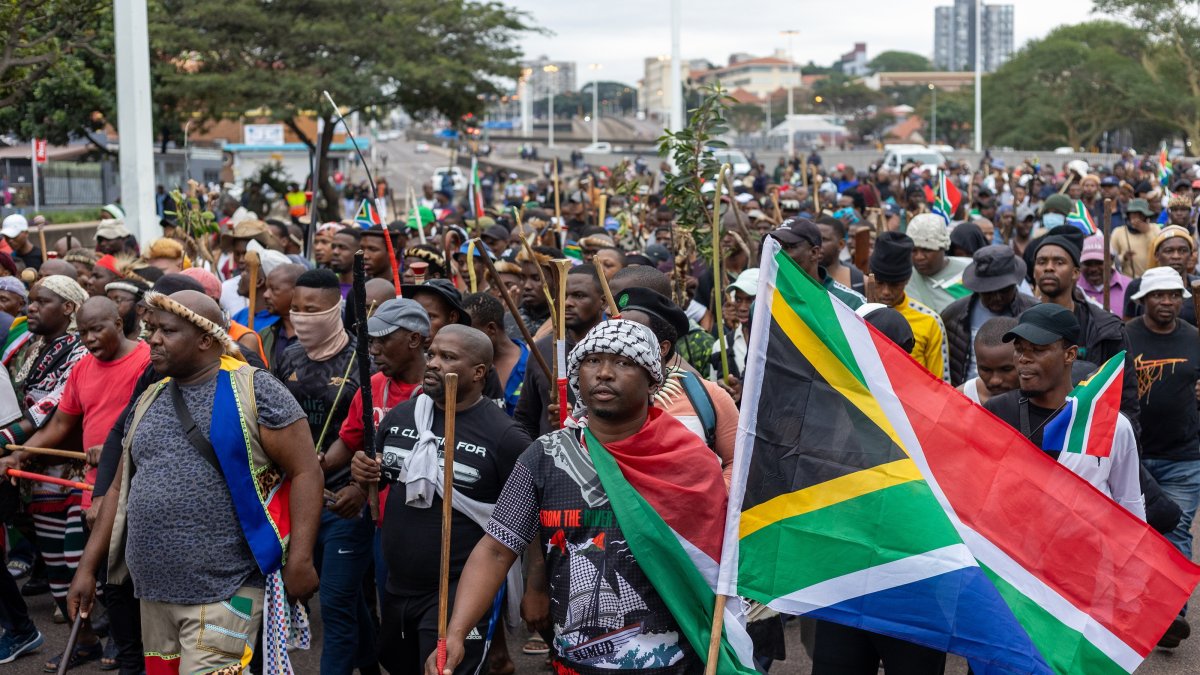
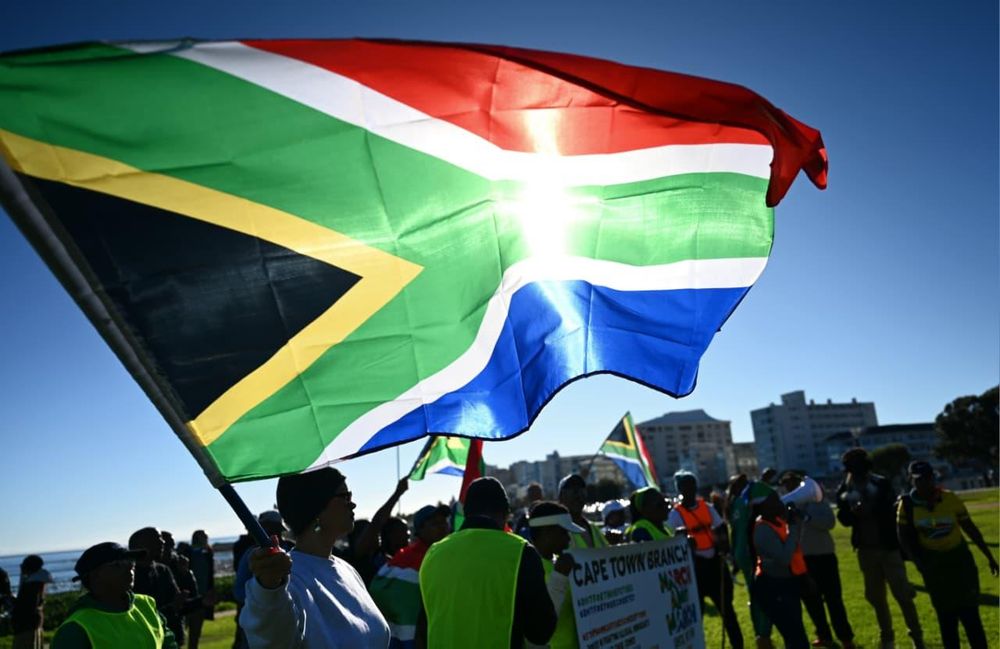
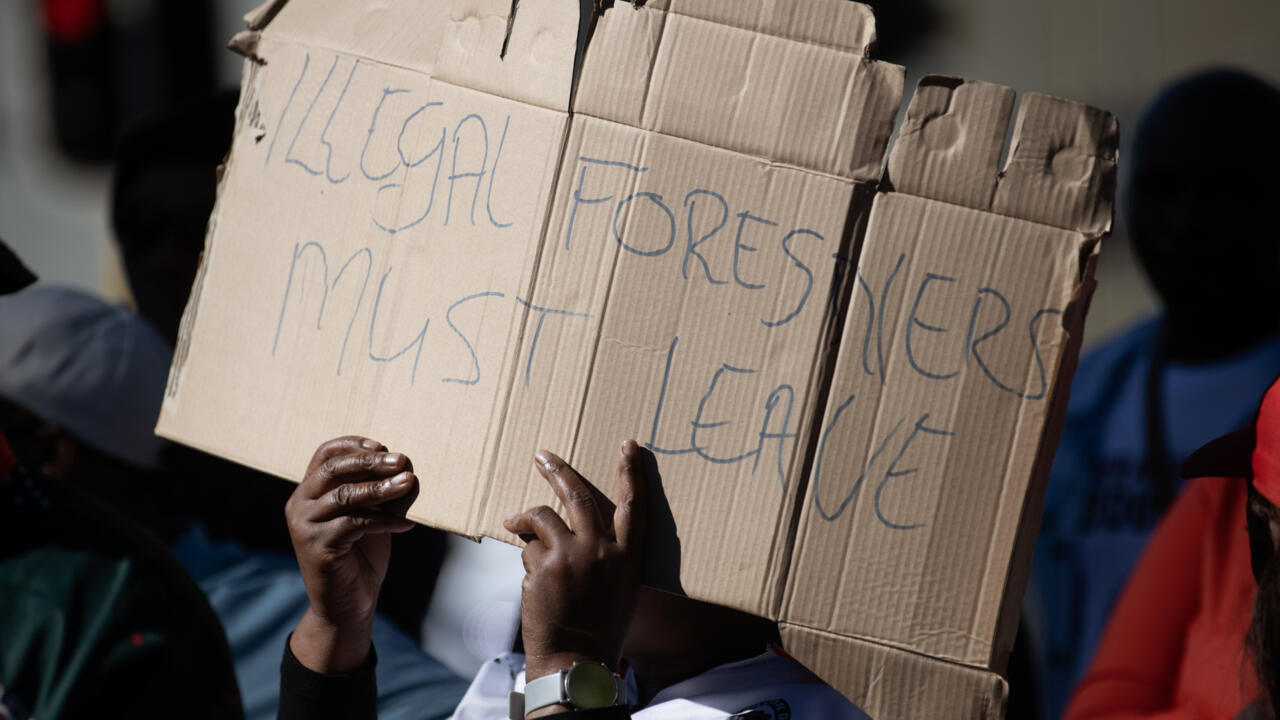
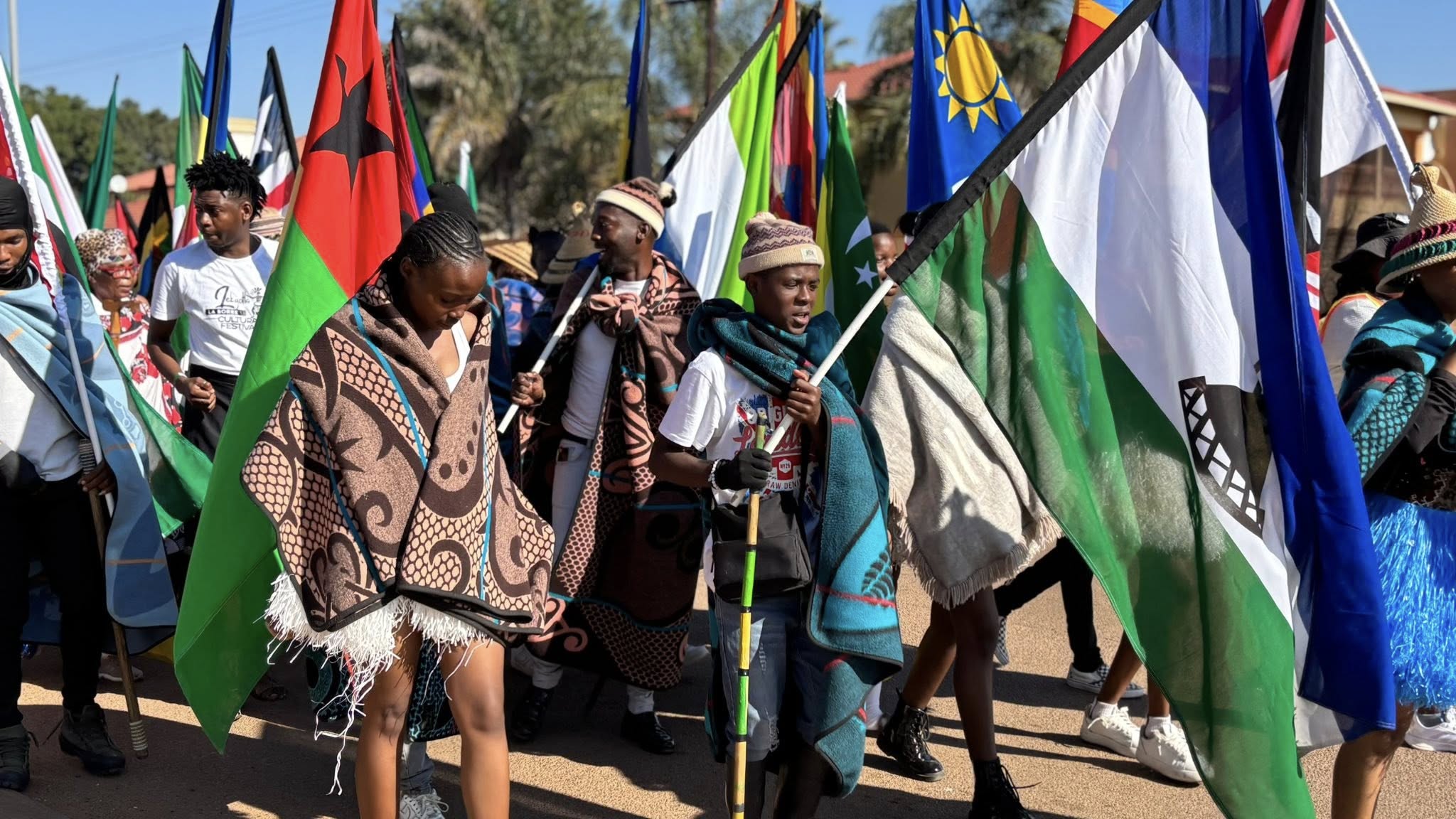
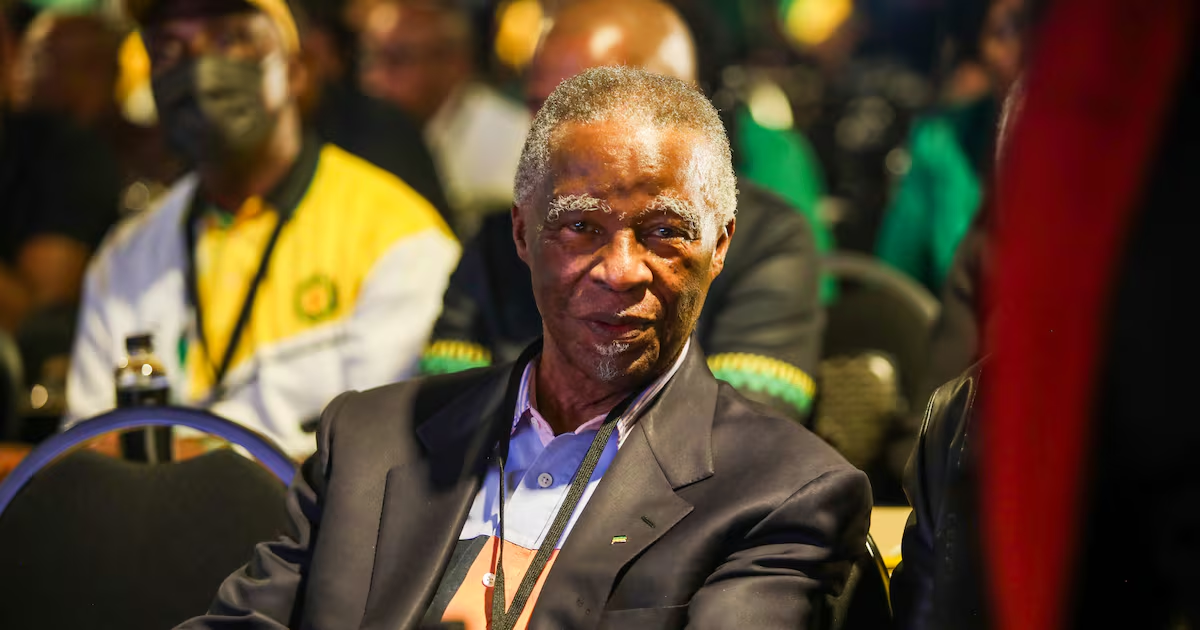
The ANC risks becoming a casualty of the anti-immigrant sentiment sweeping South Africa and set to culminate in protests on June 30 because of the party’s historical ties to the rest of the African continent, according to the Thabo Mbeki Foundation.In a discussion document on immigration, which has been under the spotlight in recent months, the foundation argues that Afrophobia threatens the ANC because the party’s liberation history was built on African solidarity, with countries across the continent providing political, diplomatic and material support during the struggle against apartheid. The foundation says weakening those relationships would leave the ANC isolated from the very alliances that helped sustain its rise.The former liberation movement is seeking to claw back electoral losses in the upcoming local government election. The party suffered a significant loss of support in the May 2024 general election, losing the parliamentary majority it held since 1994 and being forced into a government of national unity. In a previous post-election assessment, the ANC itself traced that decline back to the Zuma presidency, arguing that the counterrevolution had made significant progress in ensuring that people were left leaderless and open to manipulation against their own interests. The Mbeki Foundation’s document suggests the migration debate now represents the next front in that same offensive. The paper links South Africa’s current crisis to what it describes as a turning point after the ANC’s 2007 Polokwane conference, where former president Jacob Zuma won against Mbeki for the party’s presidential position. It argues that the leadership changes that followed contributed to a reversal of the progress made during the party’s first 15 years in government.The foundation contrasts the period from 1994 to 2009, which it describes as a period of economic and social progress, with the years after 2010, which it associates with stagnation and decline. It contends that foreign nationals played no role in either the achievements of the first period or the failures of the second.“This change deliberately produced the general political and socioeconomic crisis gripping our country today, seemingly with no end in sight. This is what caused the high unemployment rate and challenges in social service delivery, along with related problems. “This is what afflicts the poor in our country who are at the receiving end of a failing economy; social ills like drug abuse and alcoholism; insecurity and violence; and general despondency,” the document reads. The discussion document by the Mbeki Foundation comes as various political parties, such as Zuma’s MK party, have endorsed the June 30 protests against illegal immigration. The government is under pressure to tighten border controls and address concerns around undocumented migration, crime and access to services.The government has denounced the unlawful June 30 deadline set by anti-immigrant groups calling for foreign nationals to leave the country. It has, however, put in place nationwide security measures, enlisting the police and private firms to avoid a repeat of the July 2021 unrest. That week-long unrest broke out following the arrest of Zuma and wiped R50bn from the economy. Over the weekend President Cyril Ramaphosa sought the help of royal authorities to drum up support for calm and order ahead of June 30. His appeals come after weeks of escalating tension, including attacks, deaths and displacement of foreign nationals, with some royal leaders warning that the protests risk taking on ethnic dimensions, particularly with claims targeting Limpopo. South Africa’s anti-migrant machinery has evolved into a well-orchestrated, co-ordinated infrastructure.— Institute of Economic JusticeTraditional leaders, including King Misuzulu kaZwelithini and Chief Livhuwani Matsila, have called for calm and warned against violence. The Institute of Economic Justice (IEJ) says this year’s wave is driven by longstanding socioeconomic woes in South Africa and on the continent, which leads to migrants being scapegoated. “National policy failures, corrupt political elites and policy conditionality imposed by international financial institutions and Western governments have trapped African countries in patterns of underdevelopment and limited their economic activity to natural resource extraction,” the IEJ said. “Actors seeking to consolidate their own political support in the run-up to the local government elections are stoking anti-migrant attitudes and actions, redirecting the fight for economic justice away from those in power and sowing social chaos. South Africa’s anti-migrant machinery has evolved into a well-orchestrated, co-ordinated infrastructure.”