Story audio is generated using AI
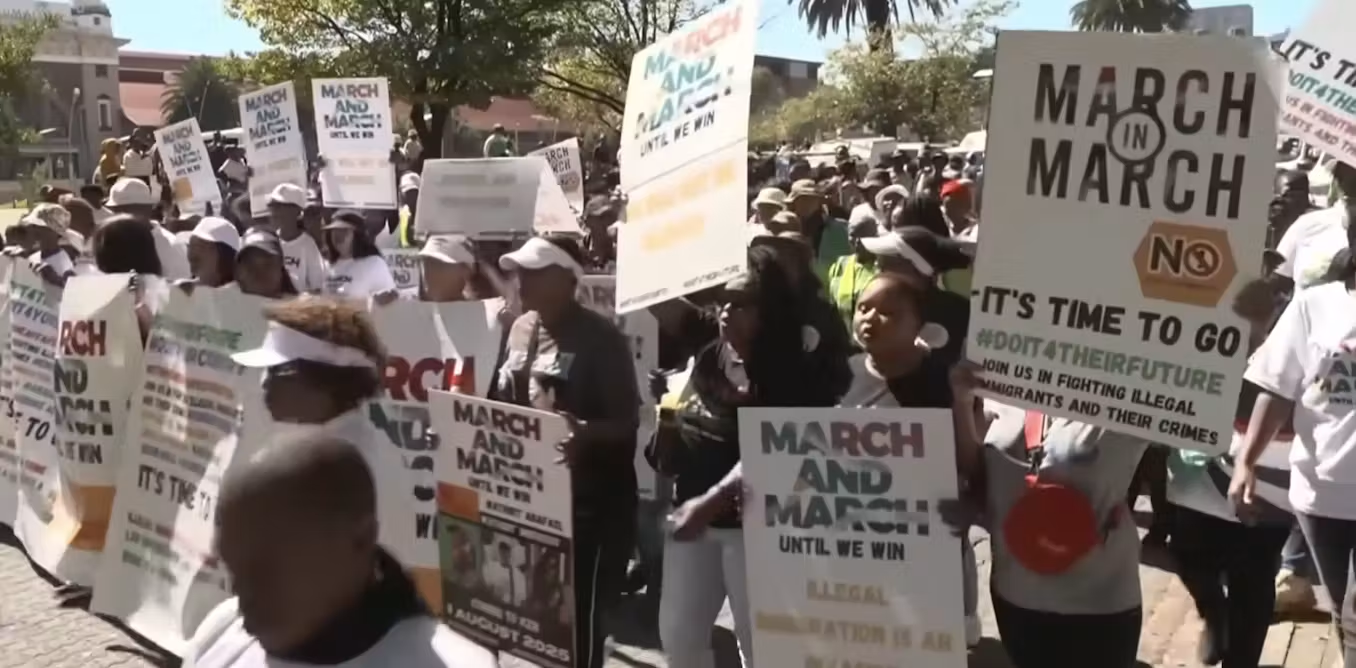
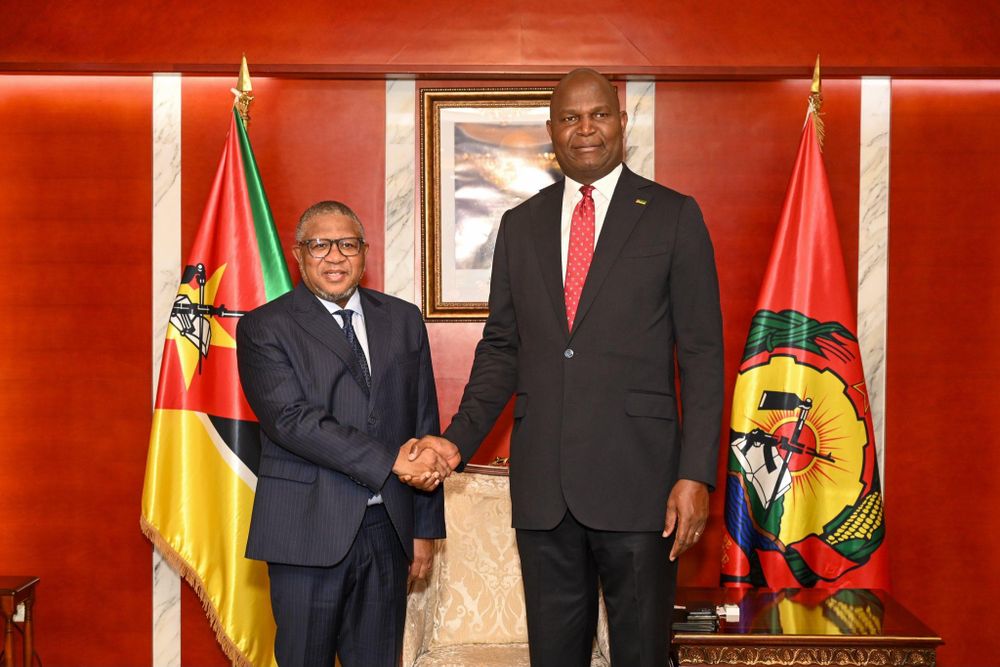
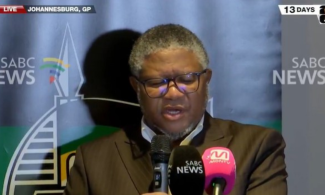
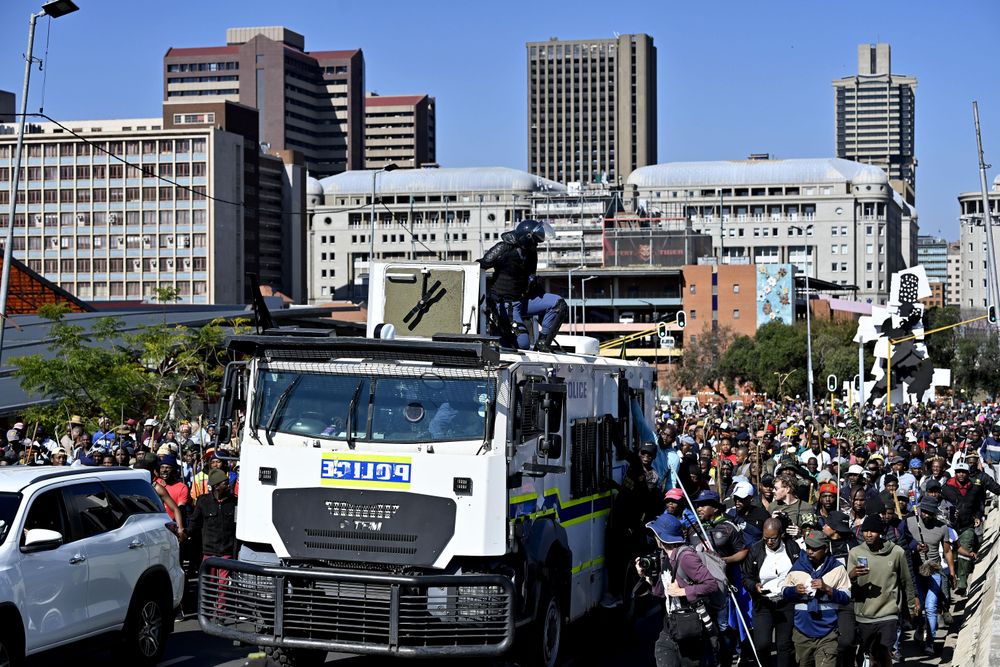
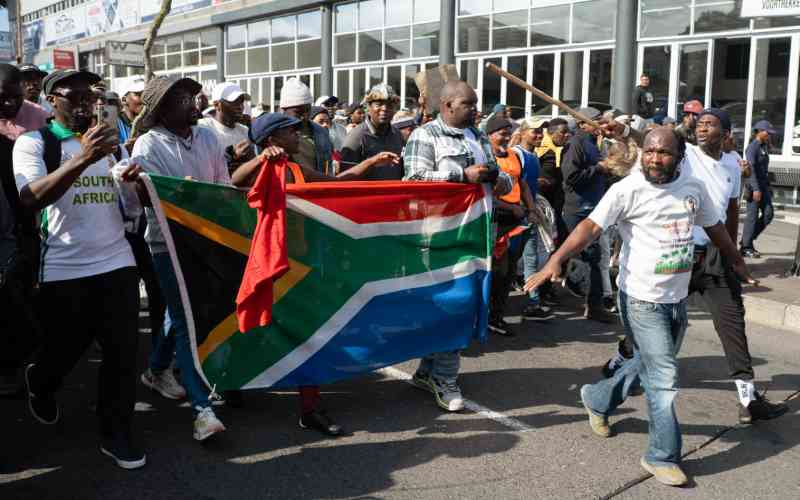
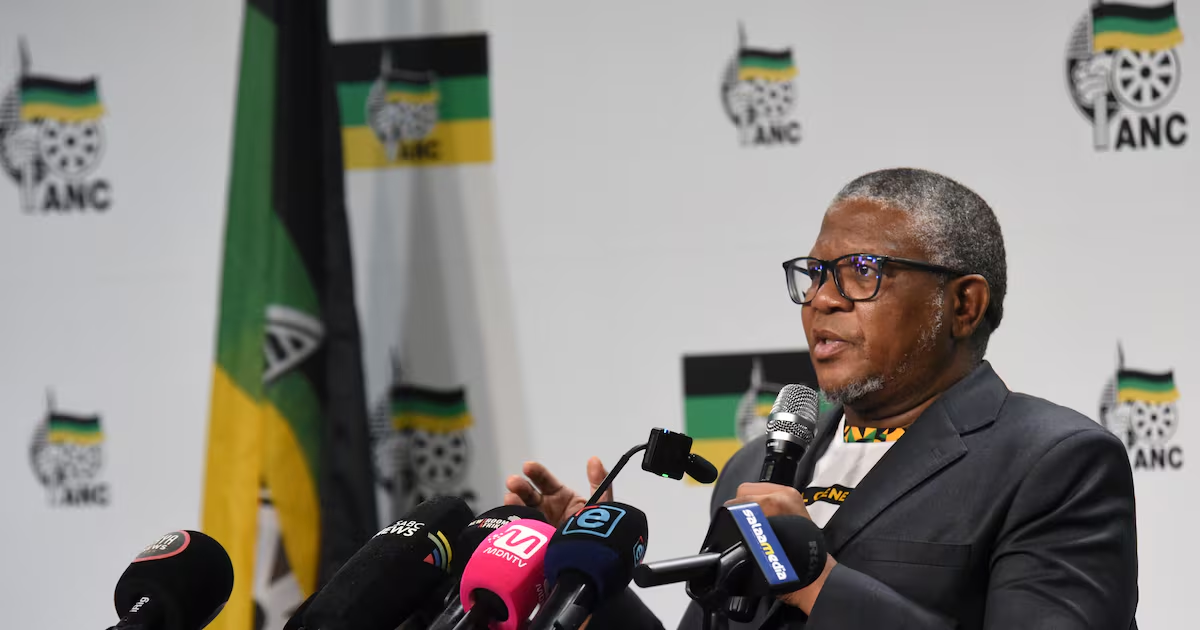
The ANC has assured Mozambique of its commitment to stamping out the xenophobia unfolding in South Africa, adding that attacks on African migrants should not be associated with the ANC.Speaking on the sidelines of a visit to Mozambique on Thursday, ANC secretary-general Fiklile Mbalula invoked liberation-era ties between his party and Mozambique’s Frelimo to distance the ANC from anti-immigration protests that have swept through South Africa in recent months.South Africa is facing renewed pressure from African governments to address recurring violence against migrants, and Pretoria is pursuing a five-point plan that includes dispatching diplomatic envoys across the continent and beyond to explain its position and pursue joint solutions to the crisis.Earlier this month, South African police said two Mozambican nationals were killed in what was described as “violent unrest” in Mossel Bay in the Western Cape, though the Mozambican government said five of its nationals had been killed “as a direct consequence of xenophobic attacks”.Besides Mozambique, Nigeria, Ghana and Malawi have been repatriating their citizens as anti-immigrant tensions rise. Mbalula recalled to Frelimo leaders that Mozambique lost combatants in clashes with apartheid-era South African forces because it had refused to abandon the ANC. South Africa’s freedom had come only because others were willing to sacrifice for it, he said.“We would never have been free if the world did not stand with us in the fight against apartheid,” Mbalula said. “We can never associate ourselves with any act that seeks to spill hatred and xenophobia.”Major challengeMbalula acknowledged that illegal immigration remained a major challenge for South Africa but said the issue had to be handled within the law. As a signatory to international agreements, including the Geneva Convention, the country had obligations that shaped its response, he said.“We have made it very clear: as the ANC, we cannot and we should not be associated with anything that amounts to hate crime, and in this particular instance the majority of South Africans are people of humanity, because we too would never have been free if the world did not stand with us in the fight against apartheid,” Mbalula said. Civil society groups say the government’s response has failed to address the underlying drivers of the crisis.Sabina Taderera from the Secretariat for Southern Africa Network for Immigrants and Refugees said calls for calm had not stopped violence from spreading, arguing that perpetrators had been emboldened by a lack of accountability.“We continue to see people being abused and violence spreading in other parts of the country that were calm before because people have seen that they can do anything they want without any consequences except for being reprimanded in the media,” Taderera said.“The drivers have certainly not been addressed — the Department of Home Affairs has serious systems and practices that have long failed to uphold constitutional and international human rights obligations. Chronic administrative dysfunction, corruption, and poor decision-making have produced a backlog in asylum and immigration applications that has existed for years,“ she added. “Politicians blame foreigners for societal problems to deflect attention from their failures and fuel xenophobic attitudes, leading to policy decisions that marginalise foreign nationals and put them at life-threatening risk.”