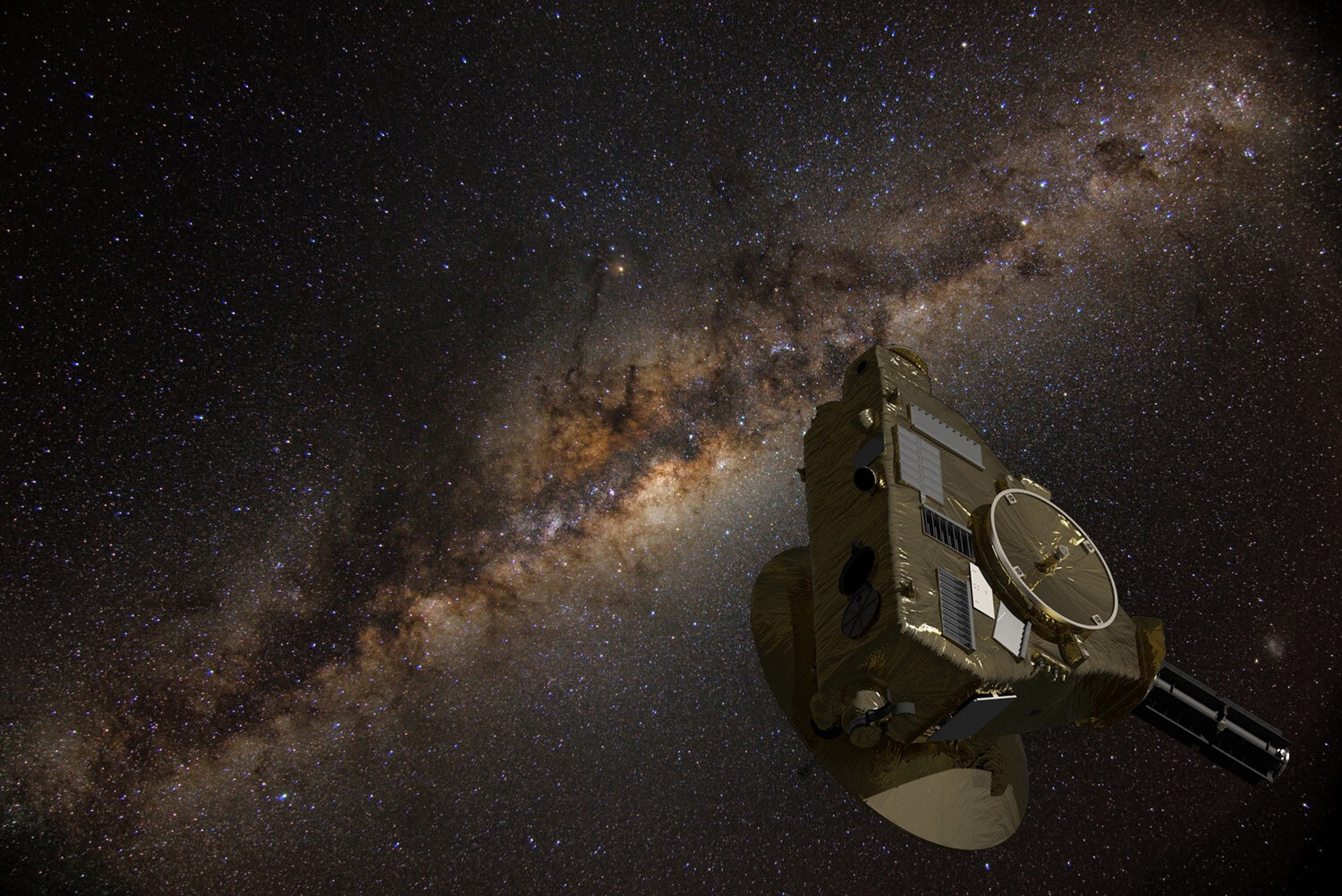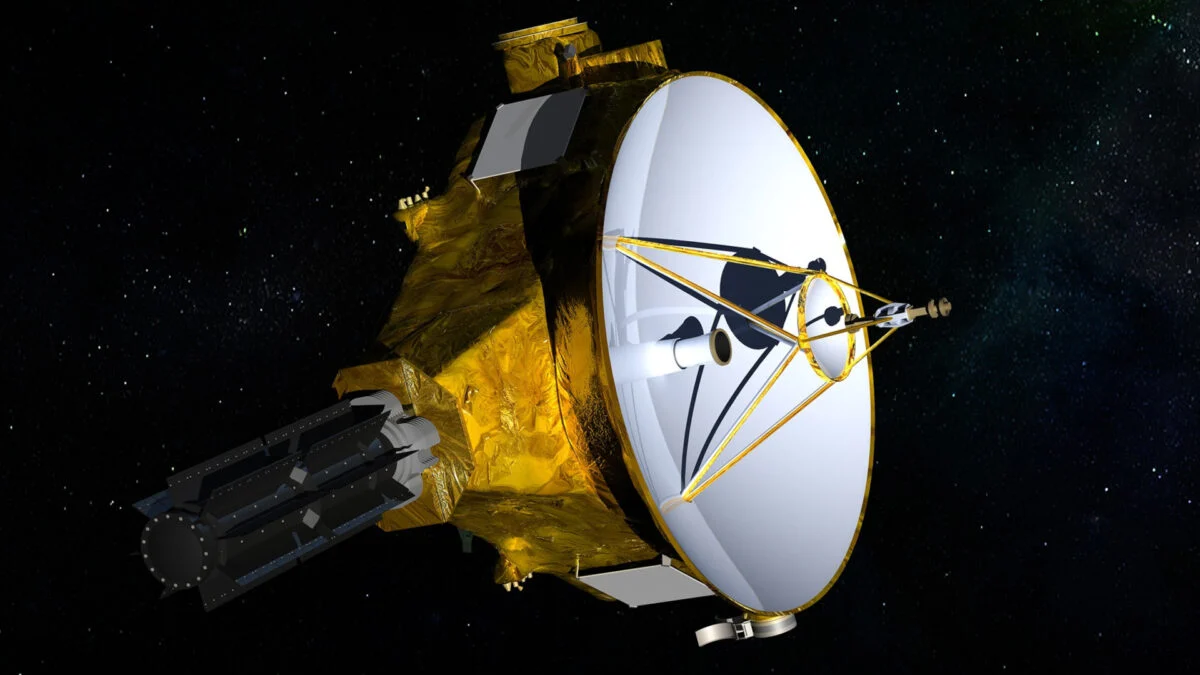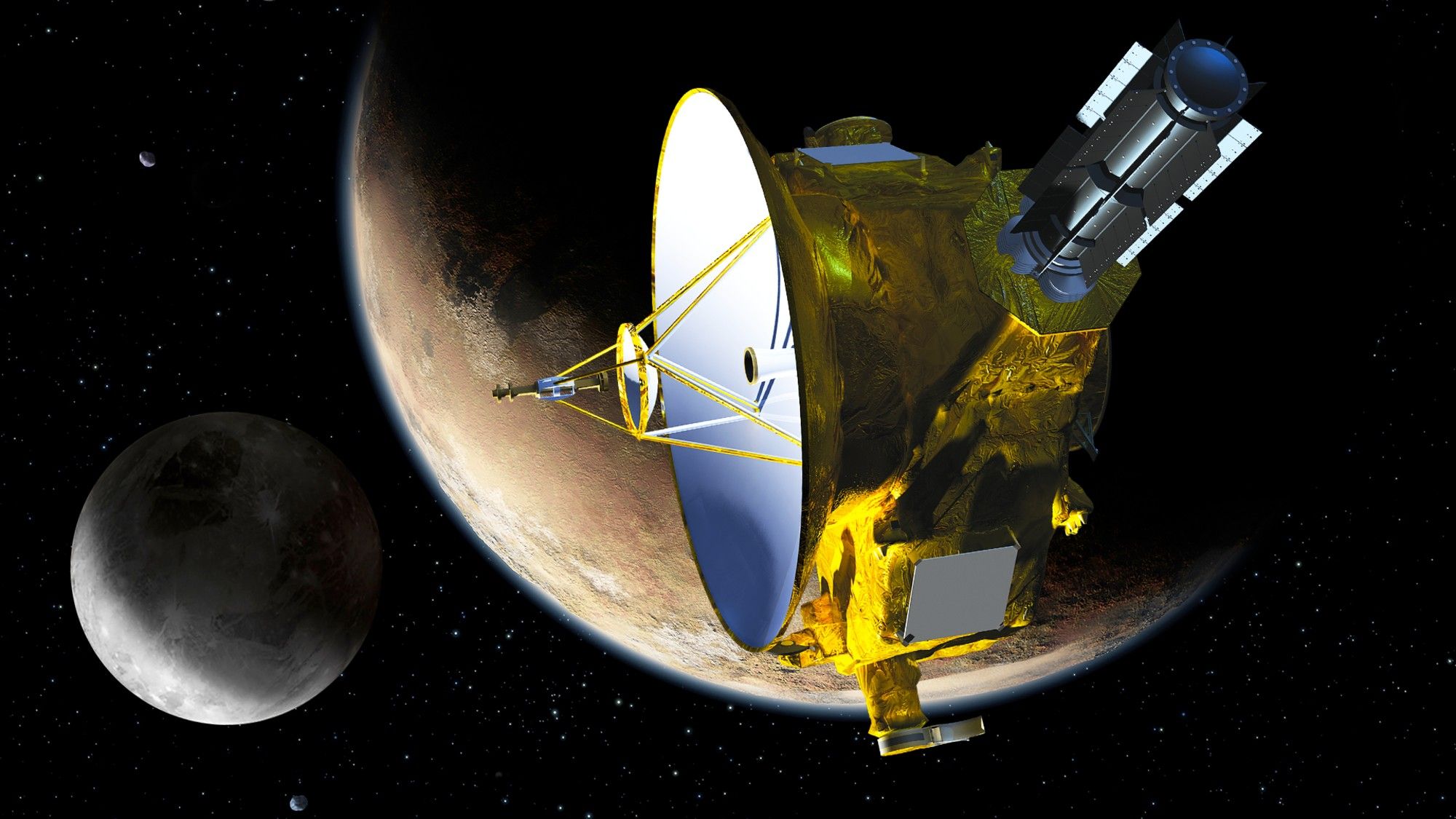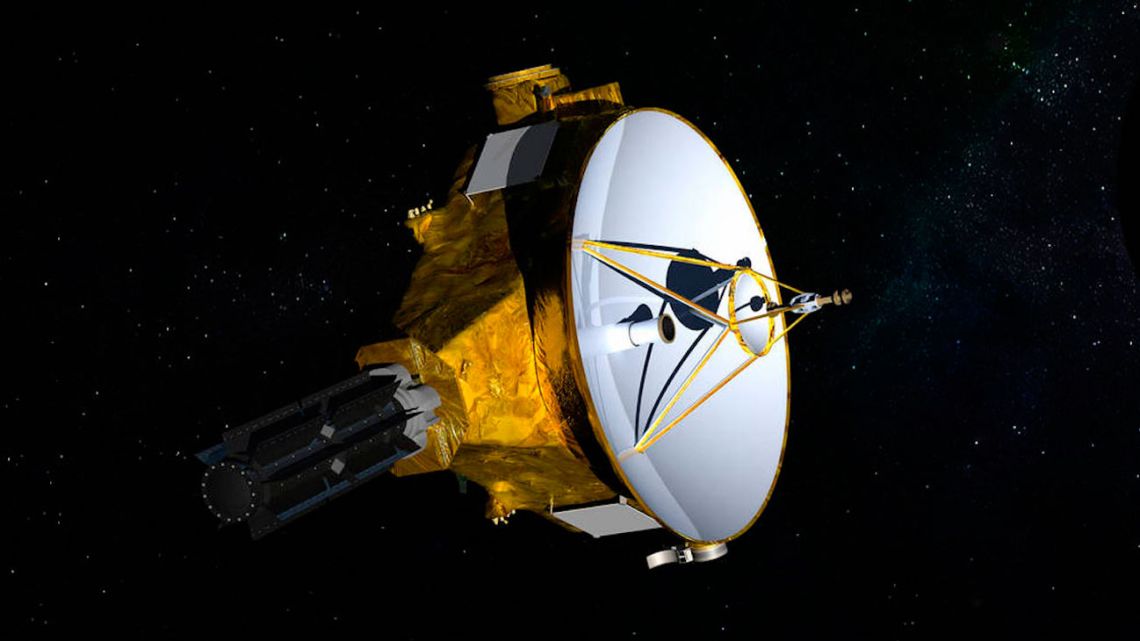
SAN ANTONIO — June 29, 2026 —A new Southwest Research Institute (SwRI) study based on data from NASA’s New Horizons spacecraft has uncovered fascinating insights into why the solar wind gradually slows as it moves toward the edge of the solar system and the boundary with interstellar space.
New Horizons is currently roughly 66 AU from the Sun. One AU, the distance from the Earth to the Sun, is roughly 93 million miles. The researchers, led by SwRI’s Dr. Heather Elliott, studied how the solar wind’s speed, measured by the Solar Wind Around Pluto (SWAP) instrument on New Horizons, changed between 21 and 58 AU compared to measurements taken nearer the Sun.
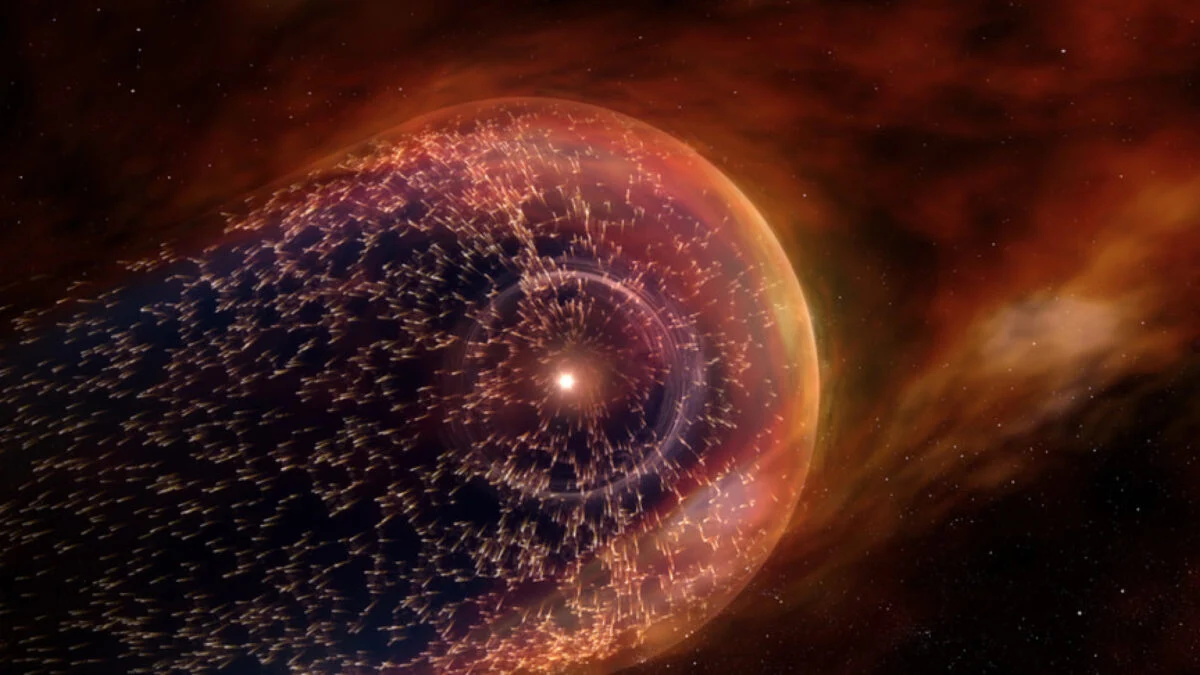
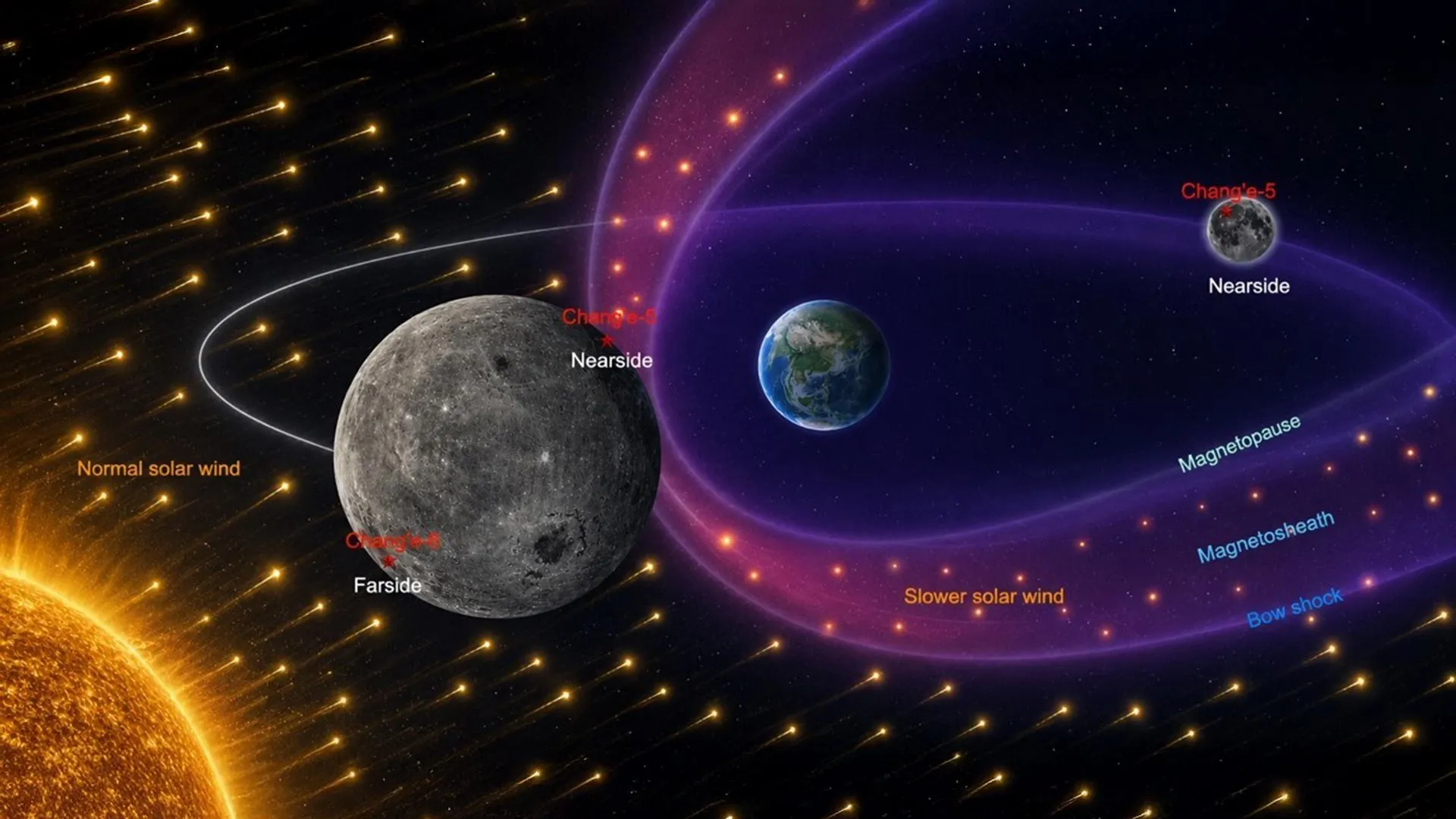
“As the solar wind travels away from the Sun at supersonic speeds, roughly 1 million miles per hour, eventually it encounters incoming interstellar neutral gas particles entering the heliosphere,” Elliott said. “These neutral interstellar atoms become ionized via charge exchange with solar wind ions, adding mass to the solar wind by picking up interstellar material that slows the solar wind down.”
Previously, New Horizons and Voyager 2 measurements between 30 and 43 AU indicated the solar wind was 5 to 10% slower than at 1 AU near Earth. Now, New Horizons researchers found at 58 AU that the solar wind is 13 to 15% slower than the wind at 1 AU. This gradual slowdown aligns with previous models of how interstellar material enters the heliosphere and affects the solar wind. It also demonstrates how the Sun’s influence decreases over long distances.