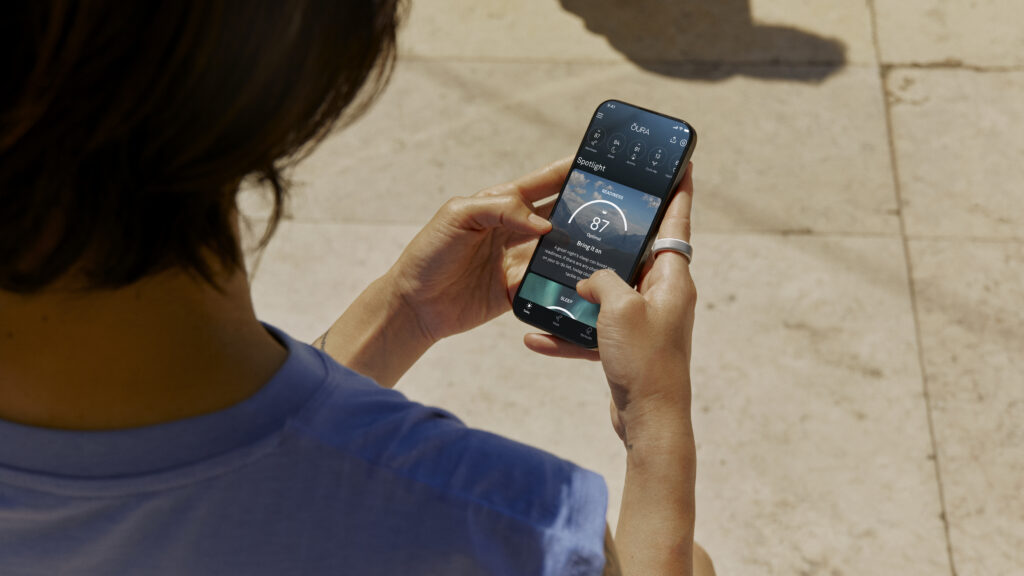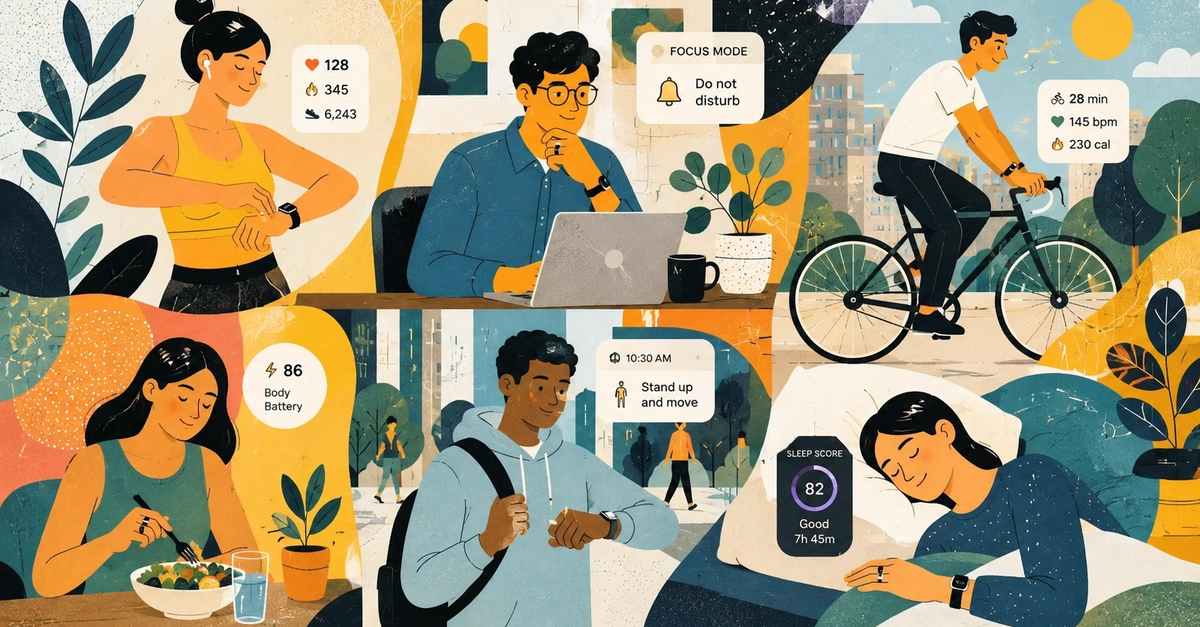
Lots of people know they could be eating more greens, sleeping better, and getting in more cardio.
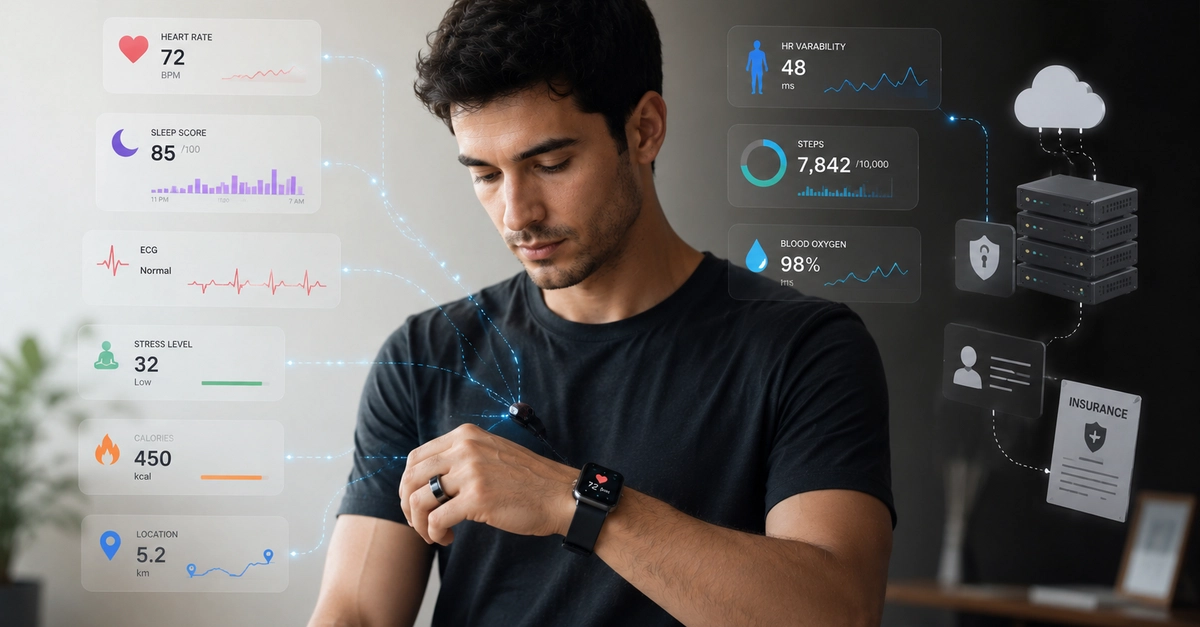
The problem is what to do with all that data now that people have real information about themselves, courtesy of wearable medical and health devices. And, moreover, identifying the exact behavior we need to change—and then actually altering it.
Patrick Sheehan, vice president of value-based care at intelligent health devices company Withings, said wearable devices that measure the user’s health data have become “the cop on your wrist.”
“It’s an accountability driver,” said Sheehan, who spoke at Fortune’s Brainstorm Tech conference in Aspen this month. “It doesn’t solve problems for you, but it tells you your problems.”
The whole market, added Sheehan, is stuck at this surface-level issue, naming problems instead of resolving them. The solution isn’t another sensor attached to a different device.