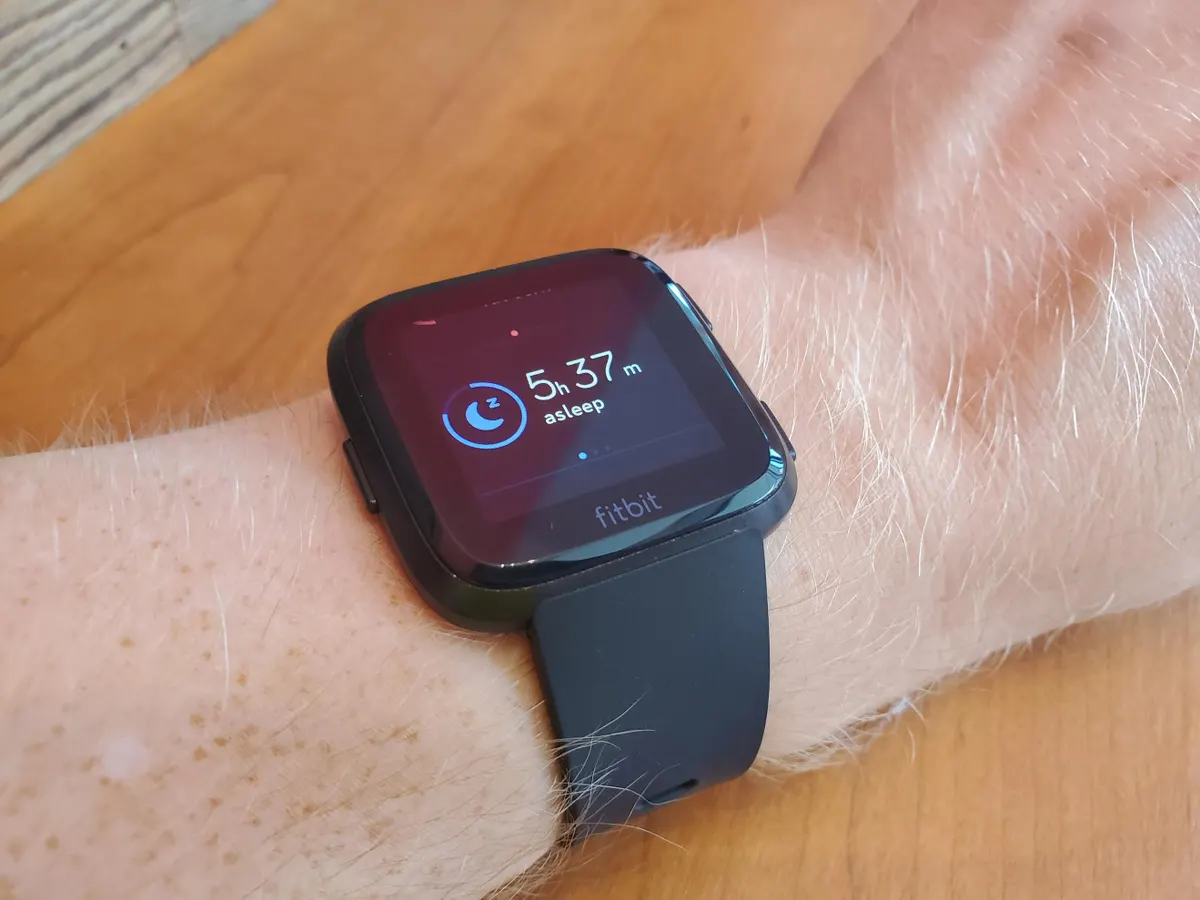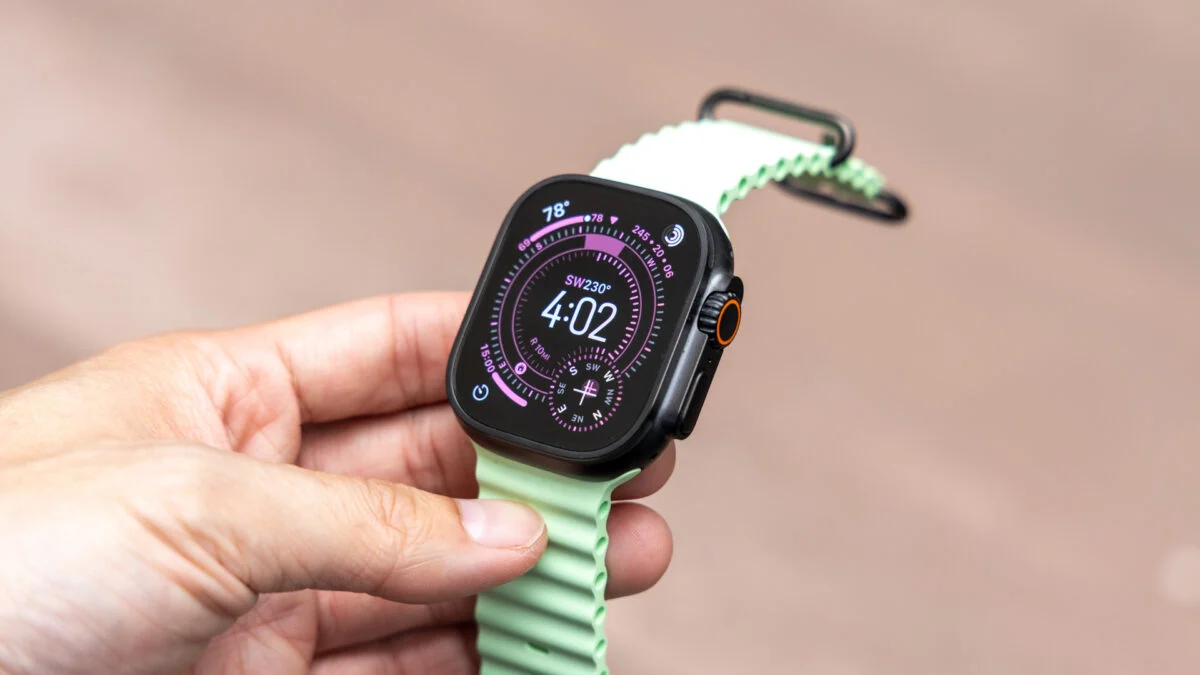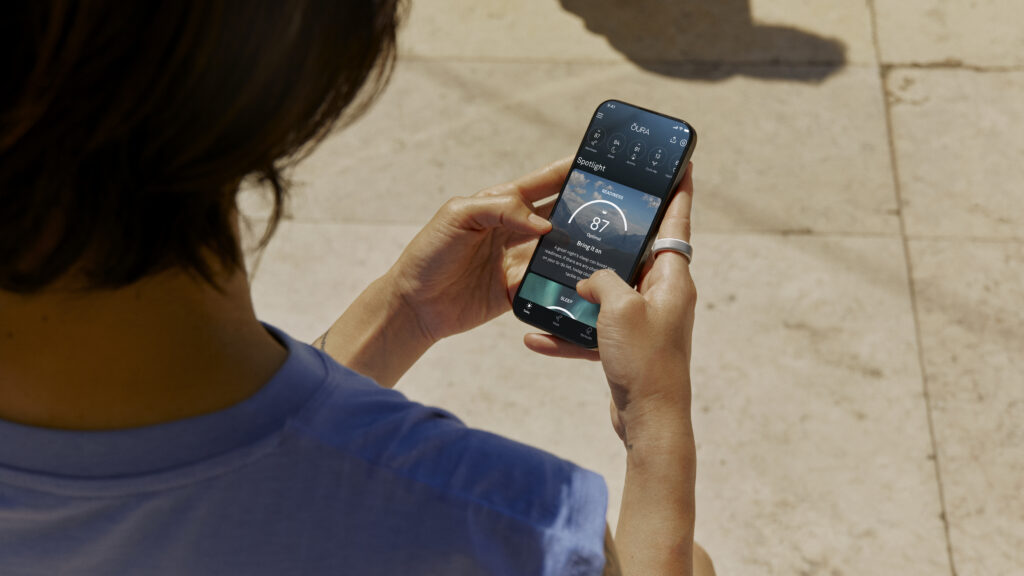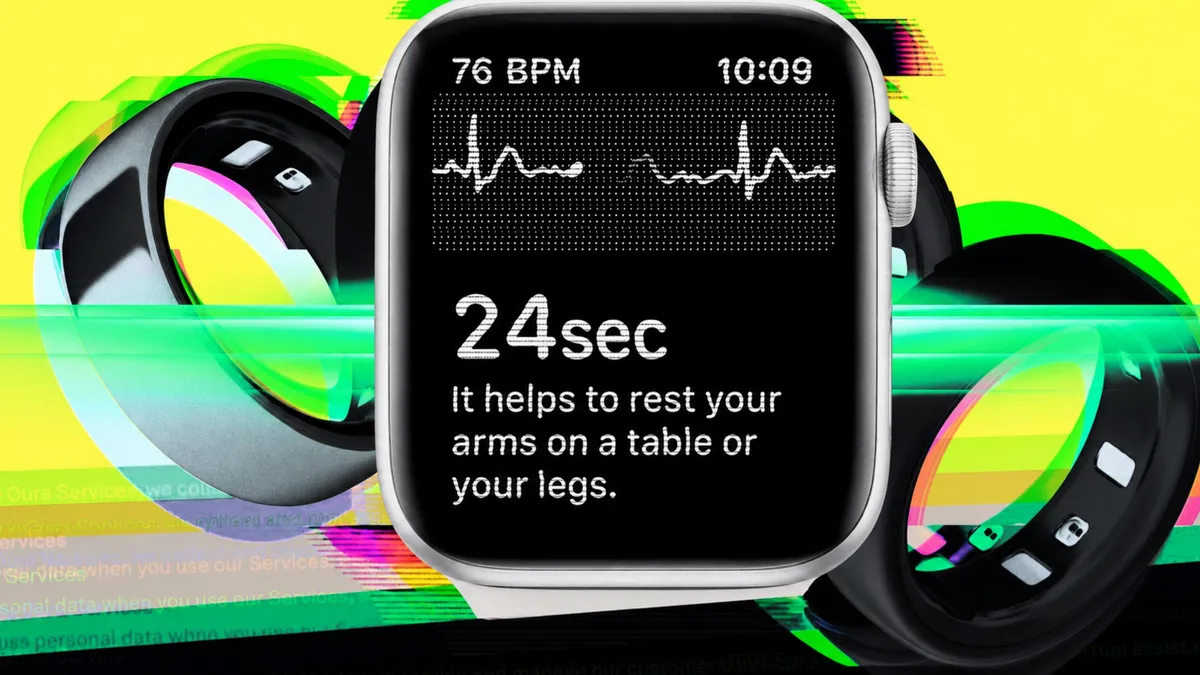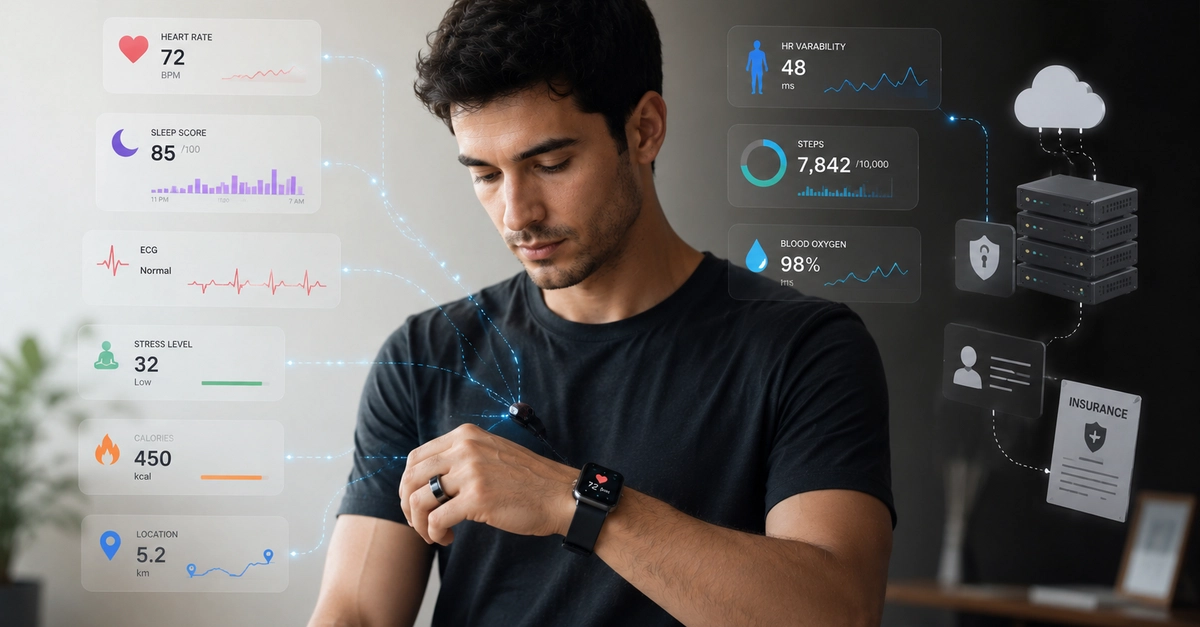
Look, everyone is now hopping on the “wearables” train. We have seen millions of smartwatches, rings and patches, collecting huge amounts of data regarding one’s heart rate, activity, sleep, stress levels and other bizarre types of biometric information. Companies make it seem like it is about to change our lives for the better. But after diving deep into the real conversations with doctors and stories from actual users, there’s a darker side that hardly anyone wants to bring up.
Doctors Don’t Know What to Do With Your Data
Patients keep walking into appointments with PDF reports of their heart rate graphs, sleep scores, readiness metrics and random alerts from their Apple Watch or Oura Ring. Most of the doctors just stare at this data and shrug. According to surveys, 9% of healthcare professionals believe that over 75% of the collected data can be helpful for their day-to-day practice. Most of it feels noisy and inconsistent.
The amount of data coming from wearable devices is frightening. The devices provide minute-by-minute statistics on heart rate variability, temperature changes, stress levels, everything. Still, all that information requires filtering, context derived from the patient's medical history and better AI algorithms. Some features like Apple Watch ECG, have FDA clearance for specific things. There are studies conducted to evaluate the large-scale datasets for prediction and diagnosis. But for the average person dumping their daily stats on their doctor, it's still mostly motivational talk, not something that shifts medical recommendations right away.