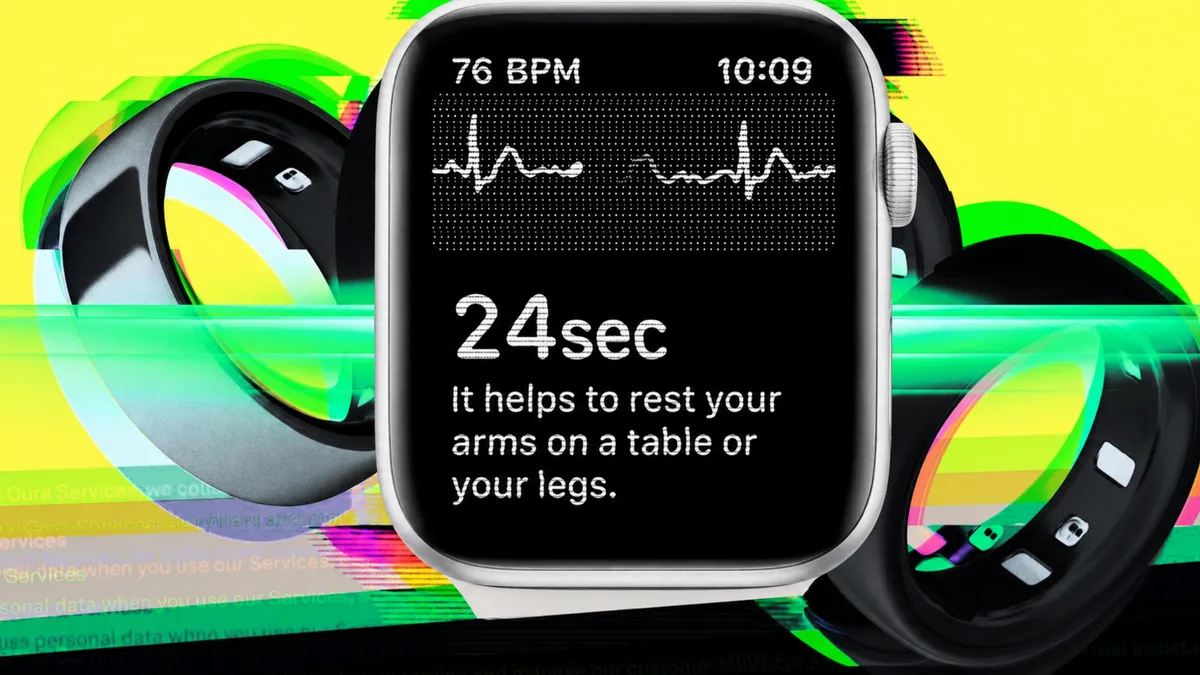
Wearable technology was originally sold as a simple idea: better data leads to better decisions. These help in tracking your steps, monitoring your sleep, measuring your heart rate and understanding your body better.
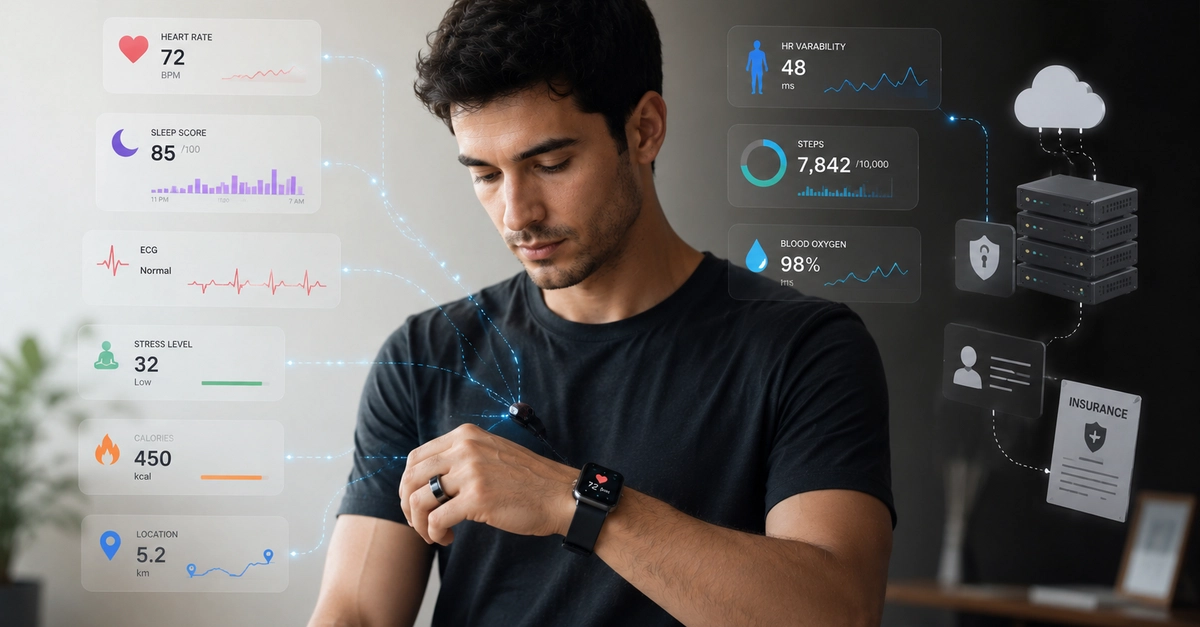
But something quietly changed along the way. Today, wearables no longer just collect information, they also interpret it. Your smartwatch doesn’t simply tell you how long you slept, it tells you whether your sleep was good enough. Also, your fitness band doesn’t just measure recovery, it advises whether you should train, rest or slow down.
A 2022 study for The Impact of Wearable Technologies in Health Research found that wearable feedback can significantly influence health behavior and decision-making, especially when data is presented through personalized recommendations rather than raw metrics.
That shift matters more than most people realize. Because wearables were supposed to help humans make decisions. Instead, they’re slowly becoming the decision itself.
The result is subtle but powerful, as devices now influence how people interpret energy, stress, productivity, recovery and even emotions, often before the person has fully processed those feelings.