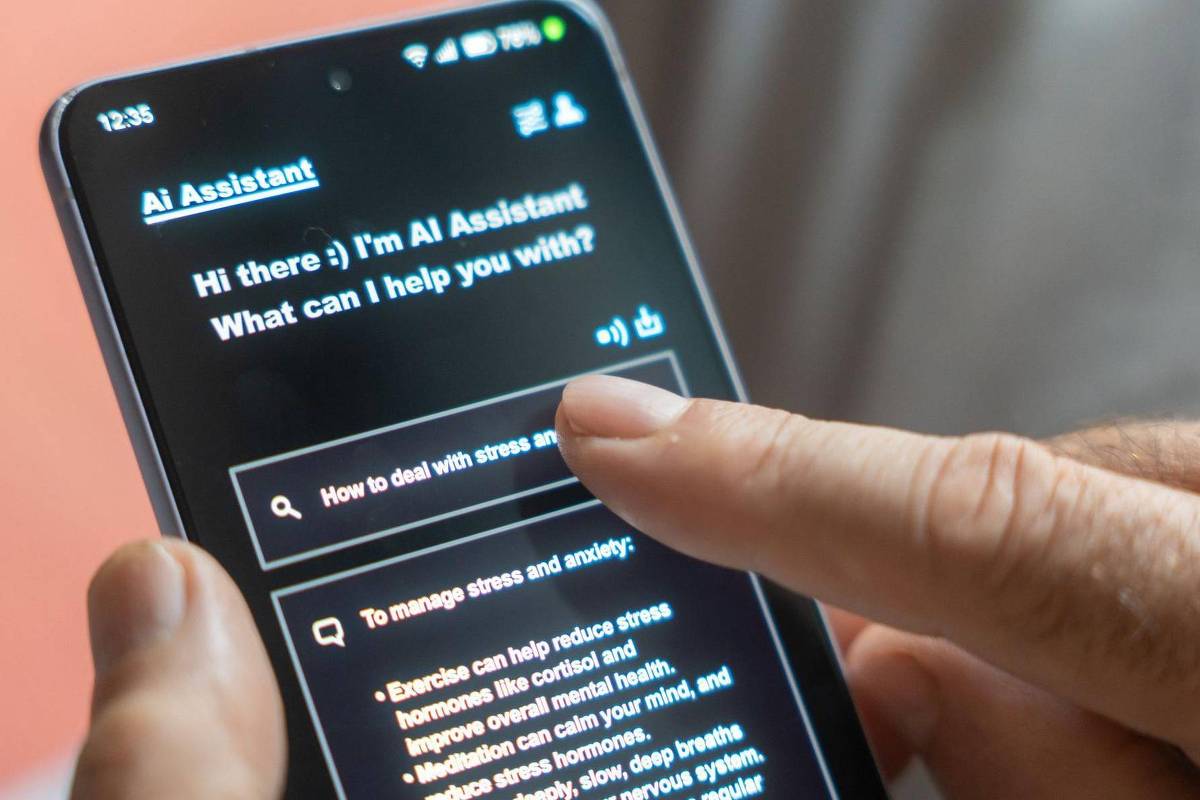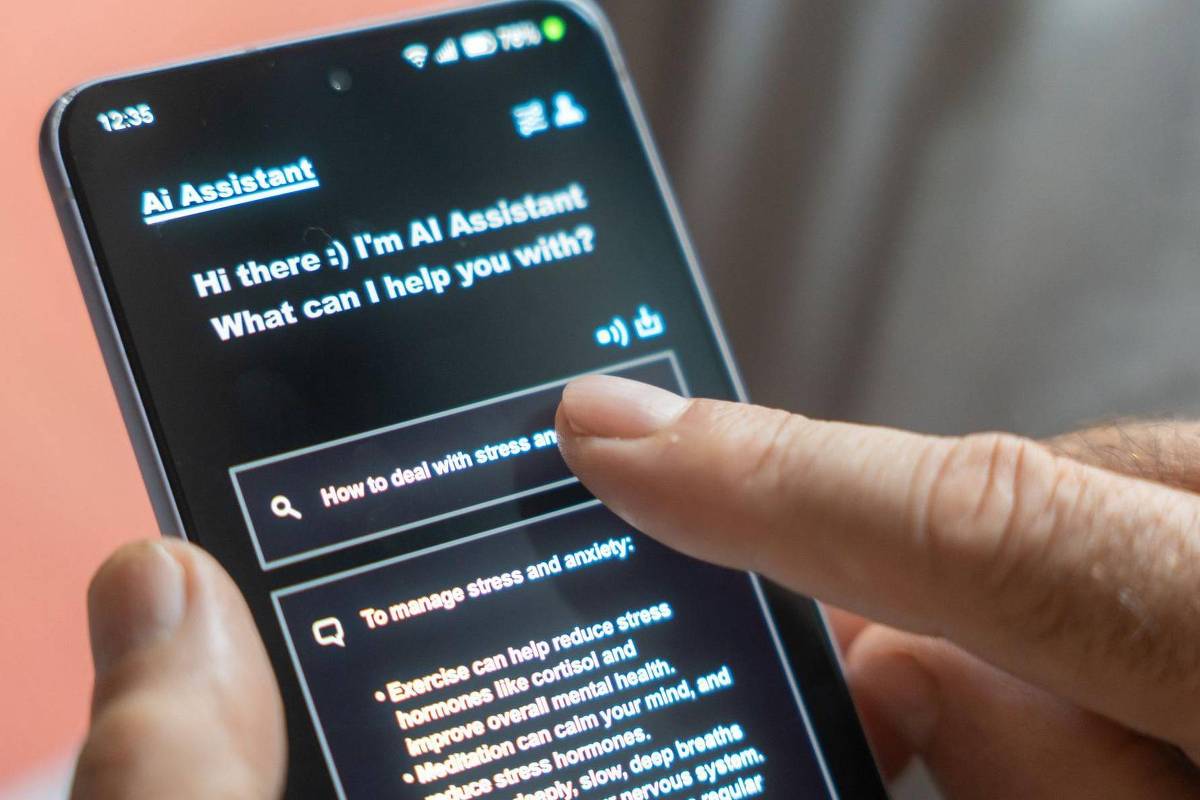
As Brazilians became more familiar with artificial intelligence tools such as ChatGPT and Claude, fear that machines will replace their jobs declined over one year, according to a Datafolha poll conducted in June 2026. Among respondents who have heard of AI, 48% say they fear replacement, compared with 56% in 2025. Those who have no fear increased from 41% to 49%.
At the same time, the share of people who have already used the technology at work rose from 17% to 24%. The poll interviewed 2,004 people in 139 municipalities, with a margin of error of two percentage points.
For economists interviewed by Folha, the decline in fear has more to do with a reaction against the initial catastrophic predictions than with the real scenario. "People heard that everyone’s jobs would disappear, but there is still work in the market," says Daniel Duque, a researcher at FGV Ibre. A study by the institute shows that nearly 30 million Brazilian workers were in occupations with some degree of exposure to generative AI — 29.6% of the employed population.
Economist Tomás Aguirre warns that Brazil’s situation is more serious: the country has a high rate of workers exposed to replacement and lower savings capacity. "The risk I see is in the middle class," he says. For 79% of respondents, using AI in hiring and firing decisions is inappropriate.