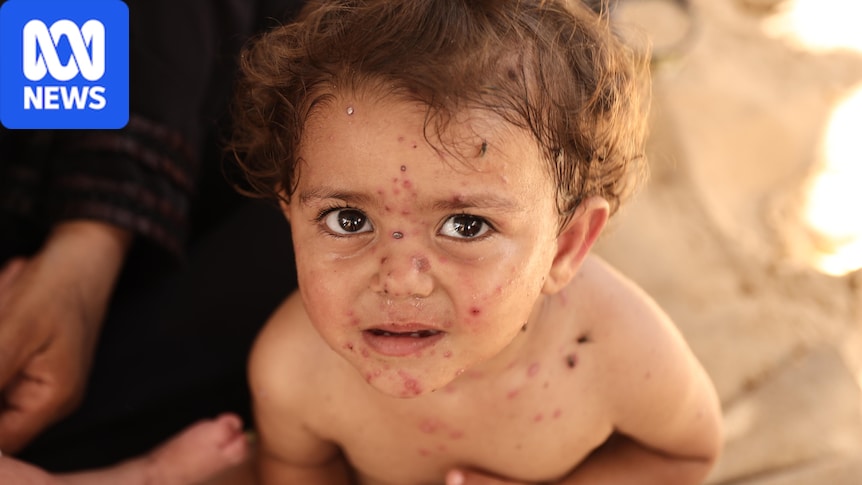
A case in India highlights what's long been known as the "disease of the displaced child."
A 5-month-old boy was brought to an outpatient clinic with a rash resembling "flaking paint" that developed 3 weeks prior, reported Jashir Ahammed Kolathil, MBBS, and Gadhiraju Manisha Varma, DNB, DCH, of the All India Institute of Medical Sciences-Bibinagar in Hyderabad, in the New England Journal of Medicine.
The baby had been fed exclusively with breast milk until 20 days before coming to the clinic, when his mother switched to diluted formula after experiencing difficulties with producing enough milk. The baby's weight-for-age z score was -3.4 and his length-for-age z score was -5.6 (normal ranges are -2 to 2, according to the World Health Organization).
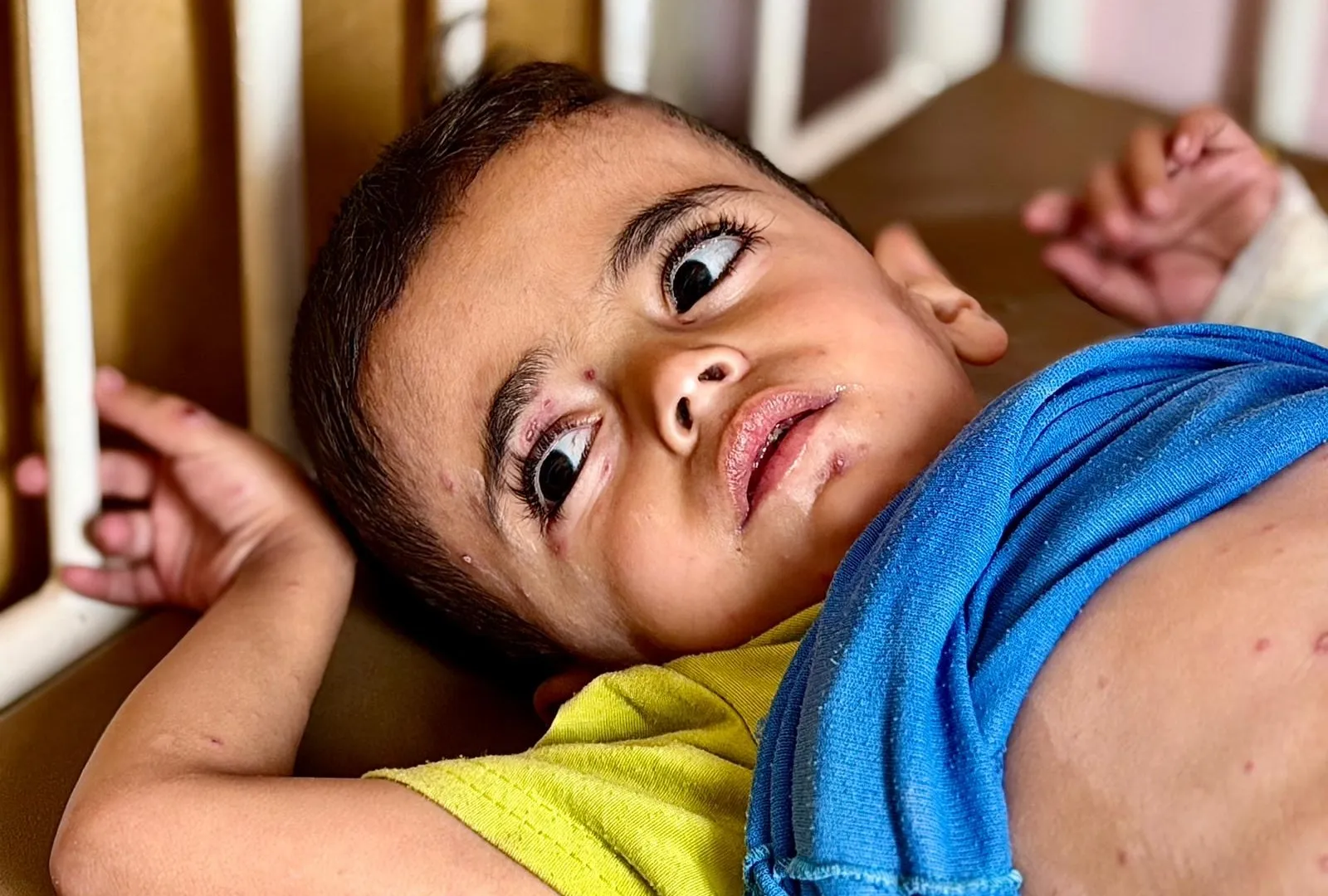
A physical exam found that the boy was "irritable, with sparse, wispy, hypopigmented hair, and pitting edema of the arms and legs," the authors wrote. The outermost layer of skin on his legs, arms, and torso was peeling with hyperpigmented patches and the layer beneath that was unusually hypopigmented, they added.
The boy was diagnosed with kwashiorkor, also known as edematous malnutrition or severe acute malnutrition with pitting edema of the arms and legs. The condition can be diagnosed in malnourished patients based on edema alone, even in the absence of height and weight values, Kolathil and Varma noted.