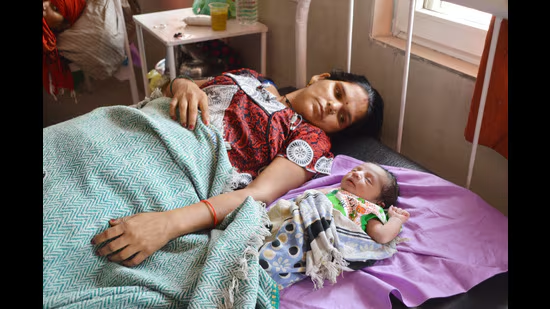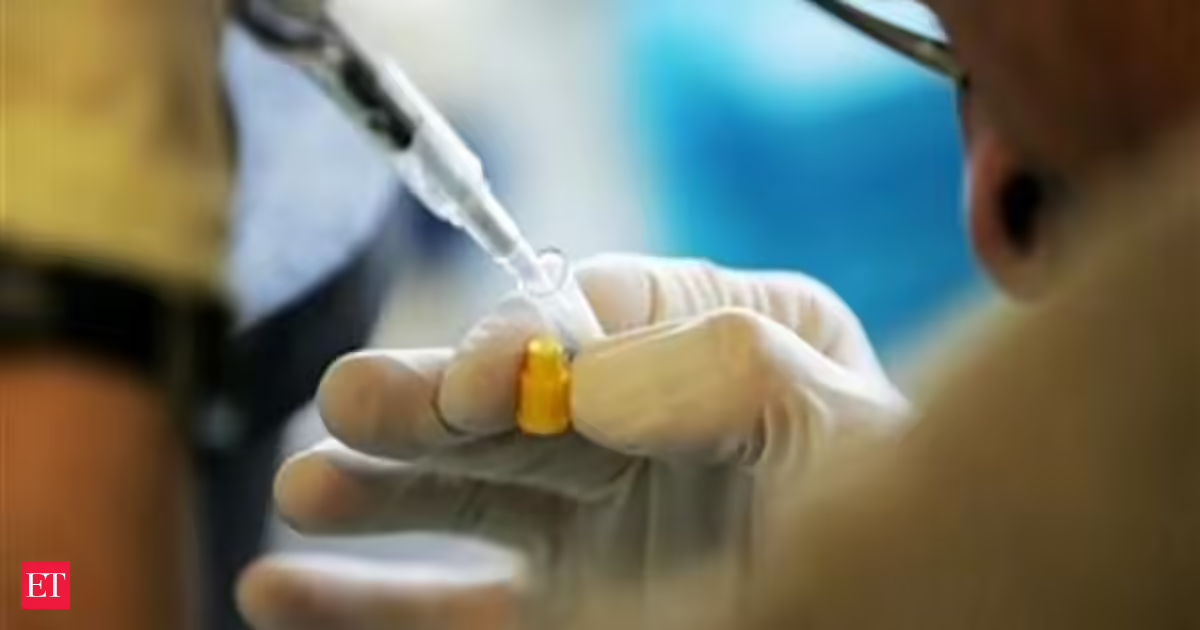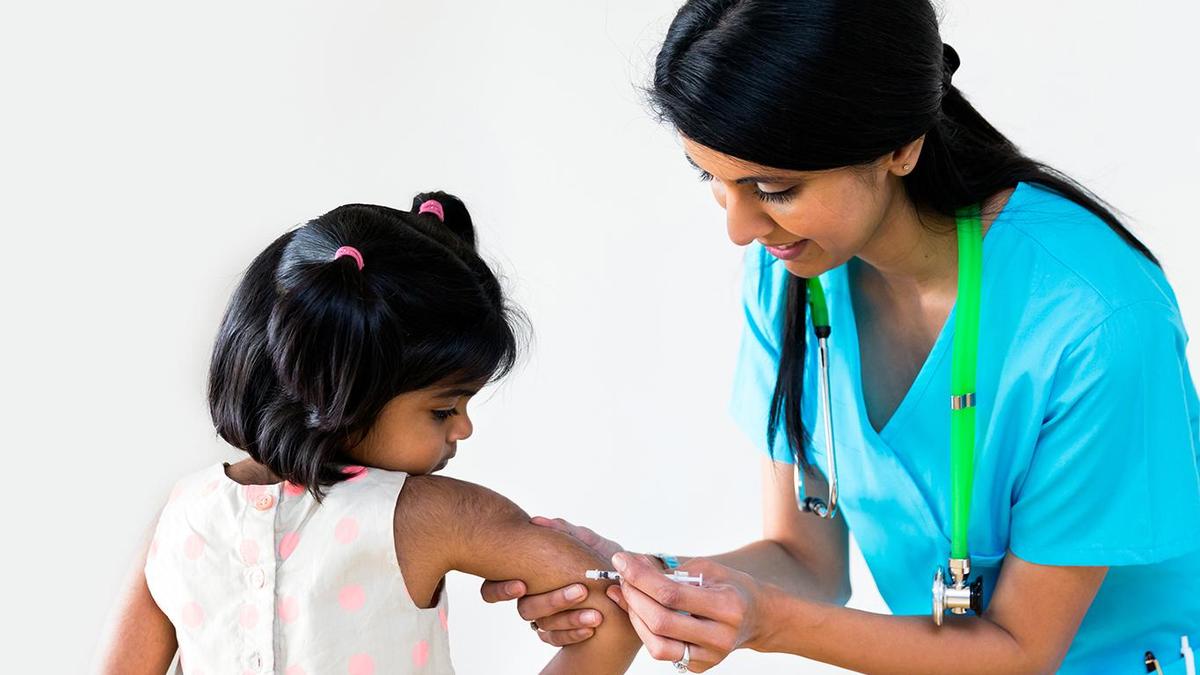
The ministry said the integrated approach combining vaccination, diarrhoea management, hygiene promotion, nutrition, sanitation and safe drinking water was helping India move towards achieving Sustainable Development Goal (SDG) targets related to child health |Image used for representational purpose only
| Photo Credit: Getty Images/iStockphoto
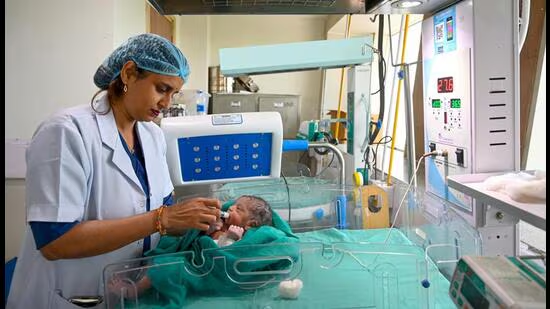
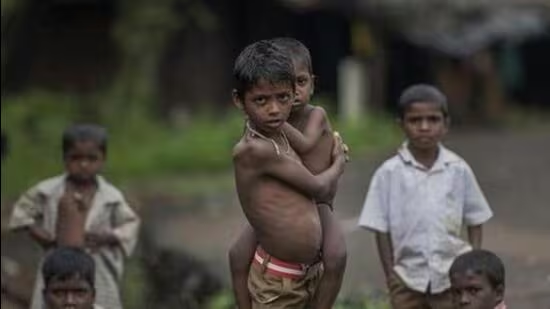
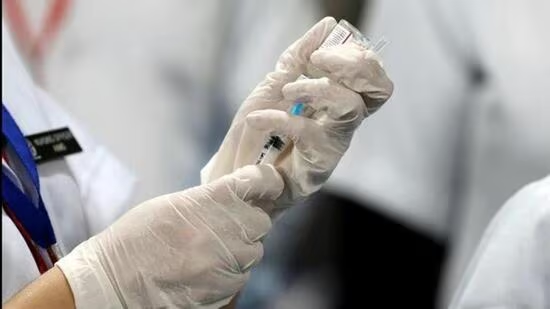
India has recorded a slight decline in severe diarrhoea cases among children under five years of age, with improved vaccination coverage and better access to safe drinking water contributing to gains in child health, according to the National Family Health Survey-6 (NFHS-6).The prevalence of severe diarrhoea among children under five declined from 0.7% in NFHS-5 to 0.5% in NFHS-6, while coverage of all three doses of the Rotavirus vaccine among children aged 12-23 months increased sharply from 36.4% to 85.4%, the Health Ministry said on Friday.It added that under-five mortality had also declined by 38% from 45 per 1,000 live births in 2014 to 28 per 1,000 live births in 2024.Rotavirus is one of the leading causes of severe diarrhoea and dehydration among infants and young children.The ministry attributed the improvement to coordinated interventions under the National Health Mission (NHM), including the Universal Immunisation Programme (UIP) and the STOP Diarrhoea Campaign.Under the campaign, frontline health workers such as Accredited Social Health Activists (ASHAs), Auxiliary Nurse Midwives (ANMs) and Anganwadi Workers (AWWs) have been promoting the use of Oral Rehydration Solution (ORS), Zinc supplementation, breastfeeding, handwashing with soap, nutrition awareness and early treatment-seeking behaviour."These sustained awareness and outreach activities have strengthened community-level management of diarrhoea, particularly in rural and underserved regions," the ministry said.The ministry also highlighted the role of the Jal Jeevan Mission in improving access to safe drinking water in rural India.According to official data, access to functional household tap connections in rural areas increased from 17% in 2019 to 81%, covering 15.85 crore households and more than 5.91 lakh villages.The ministry said the integrated approach combining vaccination, diarrhoea management, hygiene promotion, nutrition, sanitation and safe drinking water was helping India move towards achieving Sustainable Development Goal (SDG) targets related to child health. Published - May 29, 2026 06:23 pm IST