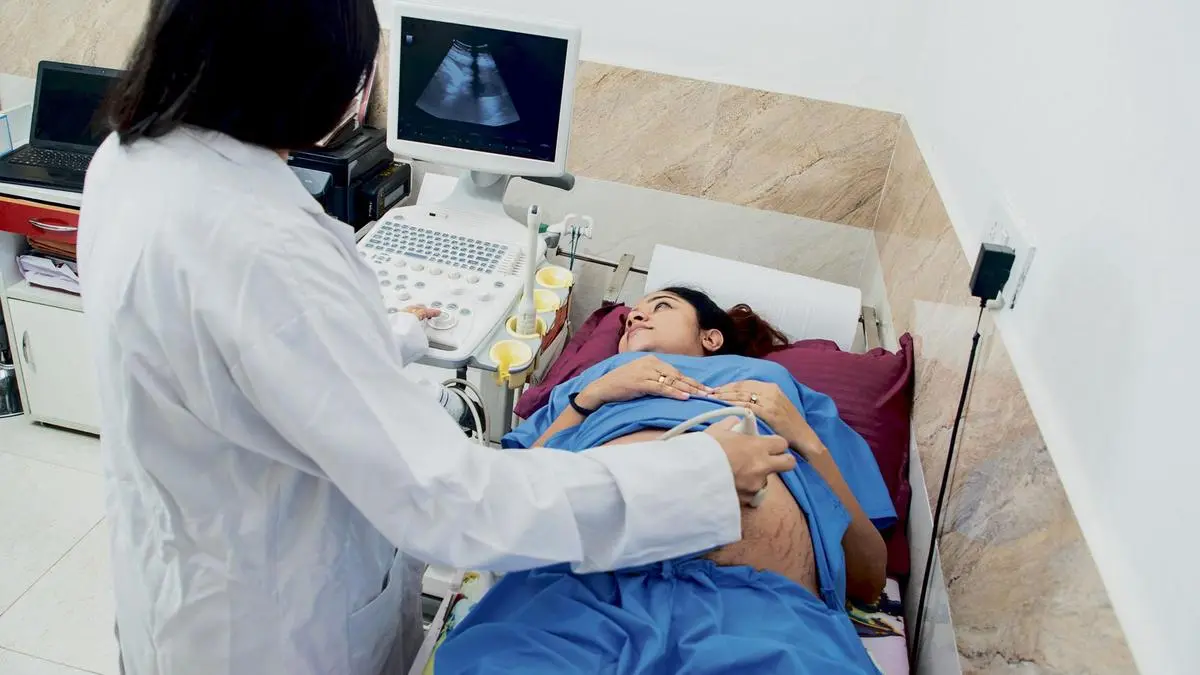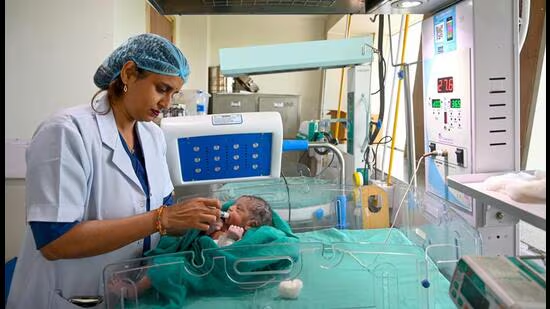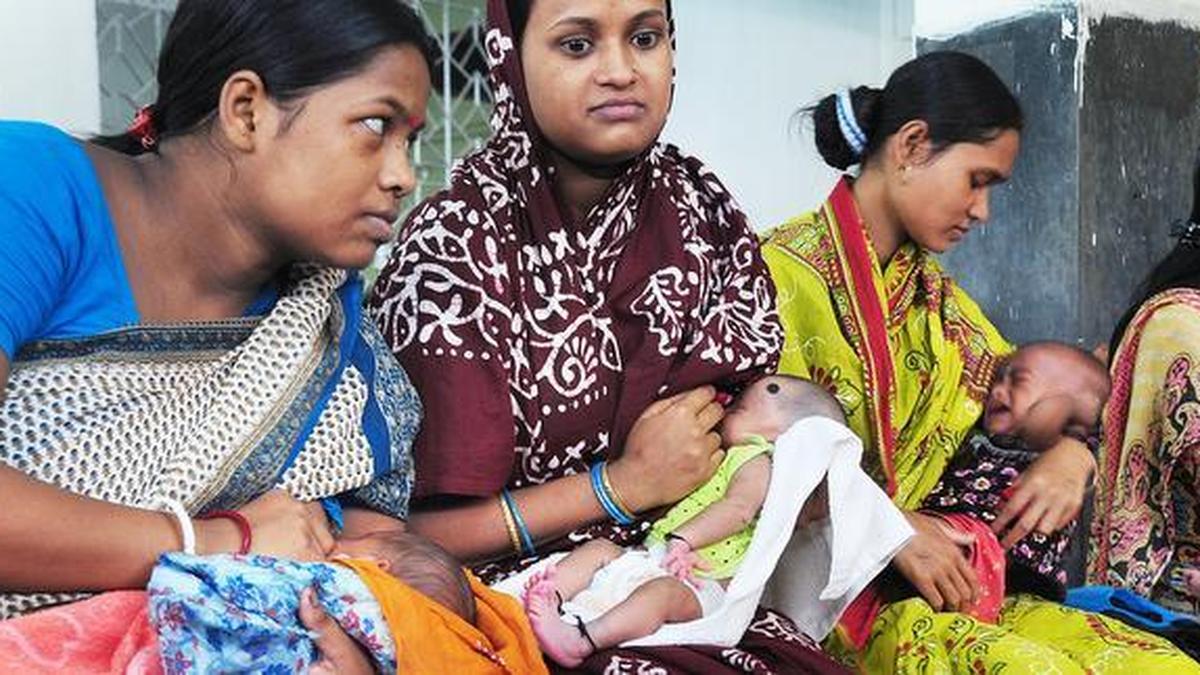
India's infant mortality rate fell to 24 deaths per 1,000 live births in 2024, down from 30 in 2019, driven largely by a sharp rise in institutional deliveries, according to the latest Sample Registration System (SRS) Report 2024.According to RK Lakshmi’s TOI report, the improvement, however, masks a stark divide. One in every 42 infants still dies before turning one at the national level — one in 37 in rural areas, and one in 59 in urban areas.National decline driven by institutional deliveriesMedically attended births rose from under 83% in 2019 to over 95% in 2024. Rural India registered a slightly higher reduction in IMR than urban India — 36% versus 35%. Overall, India's IMR has fallen 37.4% between 2012-14 and 2022-24, faster than the 33.2% decline recorded between 2002-04 and 2012-14.Also read: India’s fertility rate falls below replacement level; highest in Bihar, lowest in DelhiYet the data makes clear that hospital deliveries alone do not guarantee lower infant mortality.Chhattisgarh remains worst performerChhattisgarh, where institutional deliveries rose dramatically from 77% in 2019 to 97% in 2024, recorded the highest IMR in the country at 36 deaths per 1,000 live births. Its improvement over the past decade was just 18.3% — the weakest among all states — with IMR declining from 45 to 37 between 2012-14 and 2022-24.Uttar Pradesh and Madhya Pradesh followed at 35 each. Both Madhya Pradesh and Chhattisgarh recorded the highest neonatal mortality rate among larger states at 26 per 1,000 live births, followed by Uttar Pradesh at 25.Kerala, Goa, Sikkim leadAt the other end, Goa and Sikkim recorded the country's lowest IMR at 7. Goa's improvement was particularly sharp — down from 10.7 in 2023 to 7 in 2024. Rural Goa registered an IMR of just 5, lower than its urban areas at 8, reversing the national pattern.Kerala recorded an IMR of 8 and the lowest neonatal mortality rate among larger states at 6.Southern states continue strong performanceTamil Nadu recorded an IMR of 11, matching Delhi among the best-performing larger regions. Telangana brought its IMR down from 35 in 2014 to 17 in 2024, with improvements supported by antenatal care, early screening of high-risk pregnancies, the Aarogya Laxmi nutrition programme and Amma Vodi transport services for pregnant women. RuralTelangana recorded an IMR of 19 against 14 in urban areas.Andhra Pradesh reduced its IMR from 25 in 2019 to 18 in 2024. The state's neonatal mortality rate stood at 14, while its under-five mortality rate was 22. Rural Andhra Pradesh recorded an IMR of 20 against 13 in urban centres. The state also recorded a fertility rate of 1.4, below the national average of 1.9.Karnataka, which had cut infant mortality by 55% between 2013 and 2023, saw a marginal reversal — IMR rose from 14 in 2023 to 15 in 2024. Health officials attributed this to statistical fluctuation as mortality levels approach single digits. The rural-urban gap remained, with urban Karnataka at 11 and rural Karnataka at 17.Eastern and northeastern states show mixed trendsOdisha recorded one of the most significant long-term improvements — IMR fell from 49 in 2014 to 28 in 2024, a reduction of 21 points over a decade. Institutional deliveries in the state rose from around 72% to over 97% in the same period. However, its IMR remains above the national average, with rural Odisha at 30 against 21 in urban areas. Female infant mortality remained slightly higher than male in the state.Tripura emerged as one of the country's standout performers, recording its lowest-ever IMR of 12 in 2024, down from 15 in 2023. The state also reported a birth rate of 15 per 1,000 population and a death rate of 5.9, both better than national averages.Maharashtra and Punjab record gainsMaharashtra's IMR declined to 14 in 2023, well below the national average, according to the Economic Survey of Maharashtra 2025-26. The neonatal mortality rate stood at 11 and the under-five mortality rate at 16. Rural Maharashtra recorded an IMR of 17 against 10 in urban areas.Punjab reported an IMR of 16, a neonatal mortality rate of 11 and an under-five mortality rate of 19. The state's maternal mortality ratio declined to 77 per lakh live births in 2022-24, against the national average of 87. Punjab also showed signs of rapid population ageing, with those aged 60 and above making up 11.5% of the population, compared to the national average of 9.7%.Newborn deaths remain the biggest challengeWhile overall infant mortality continues to fall, the report underlines a critical shift in where the problem now lies. Neonatal deaths — occurring within the first 28 days of life — accounted for nearly 73% of all infant deaths in 2024, up from 67.6% in 2014. India's overall neonatal mortality rate stood at 18 per 1,000 live births.Also read: Fertility rate in rural India declines to replacement rate for the first time, overall rate down to 1.9The data indicates that future reductions in infant mortality will depend increasingly on the quality of care during pregnancy, childbirth and the earliest weeks of life.Persistent gaps despite progressAssam recorded the widest rural-urban gap in the country, with rural IMR at 31 against 14 in urban areas. Gender disparities also persisted — Bihar reported an IMR of 21 for male infants and 25 for female infants, while Jammu andKashmir recorded the reverse, with male infant mortality higher at 16 against 12 for female infants.The report suggests that as India enters a new phase of child health improvement, the gains ahead will be won not just in delivery rooms, but in neonatal care units, maternal nutrition programmes and the reach of healthcare services across rural India.With inputs from TOI
Is India winning the wrong battle on infant mortality?
India's infant mortality rate has significantly dropped to 24 deaths per 1,000 live births in 2024. This progress is largely due to a surge in institutional deliveries across the nation. However, stark rural-urban divides and regional performance variations remain evident. Newborn deaths are now the primary challenge, highlighting the need for enhanced neonatal care and maternal health programs.
934 words~4 min read