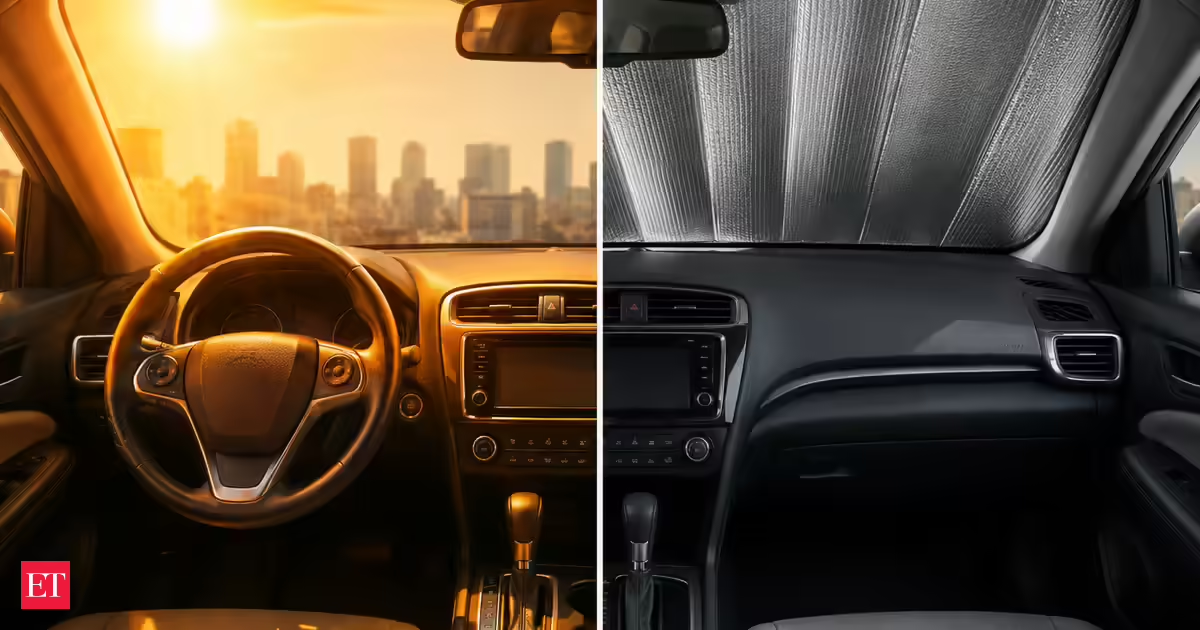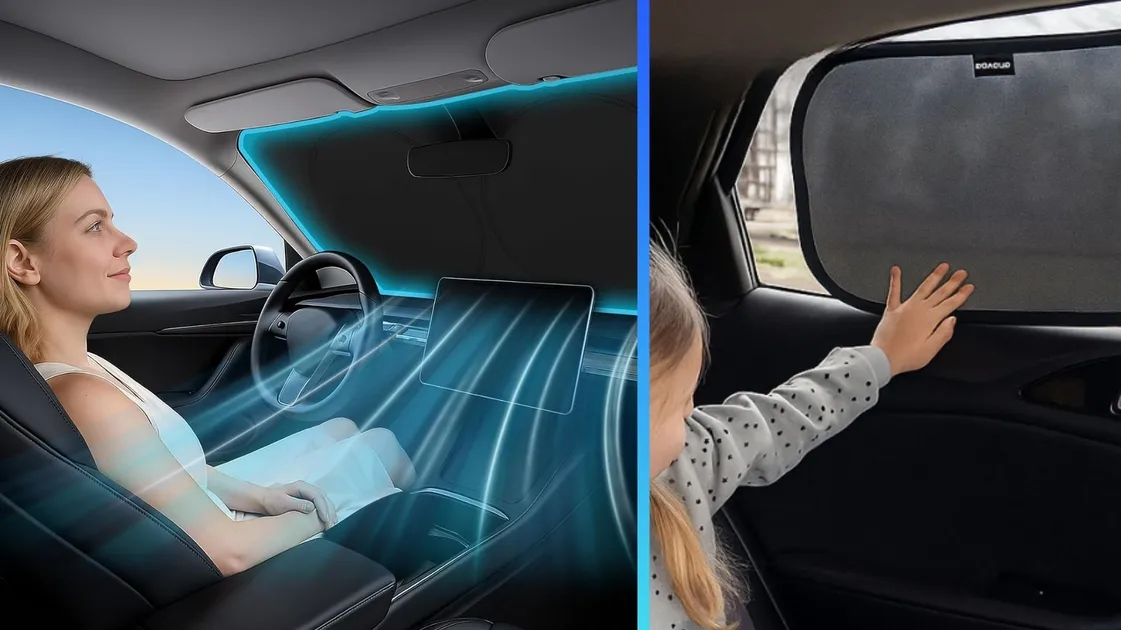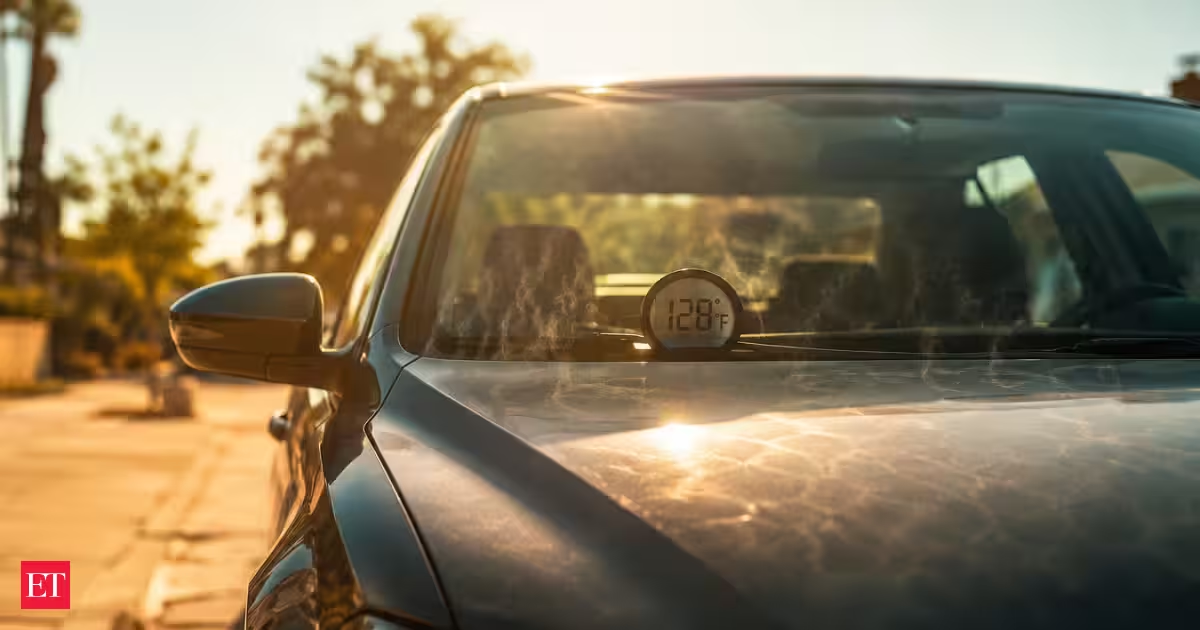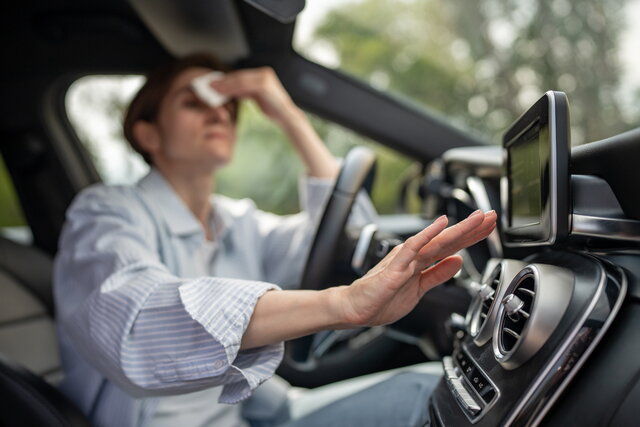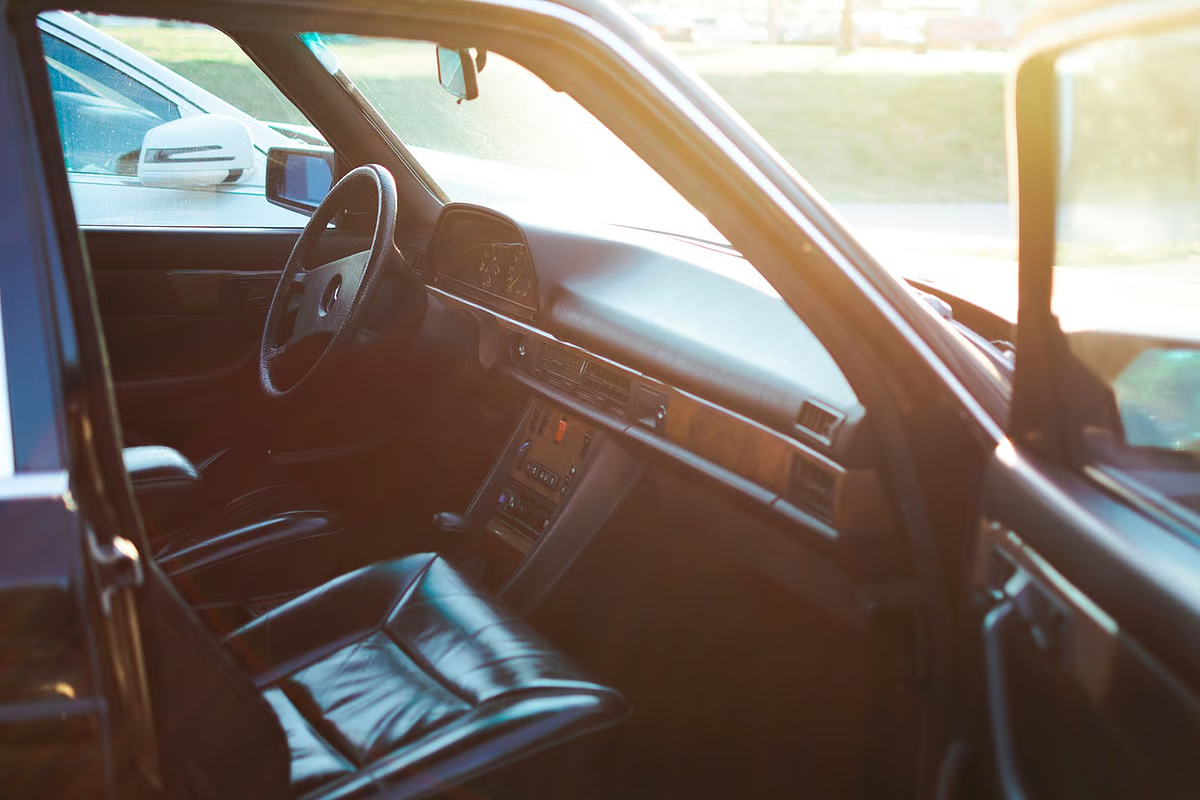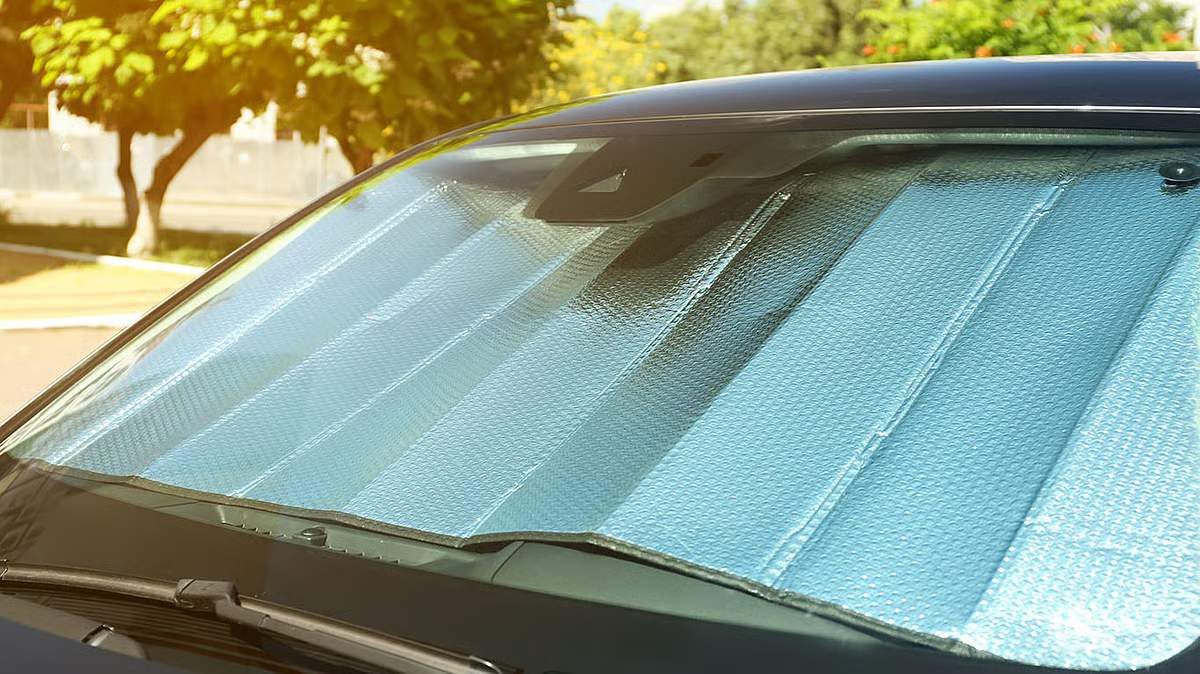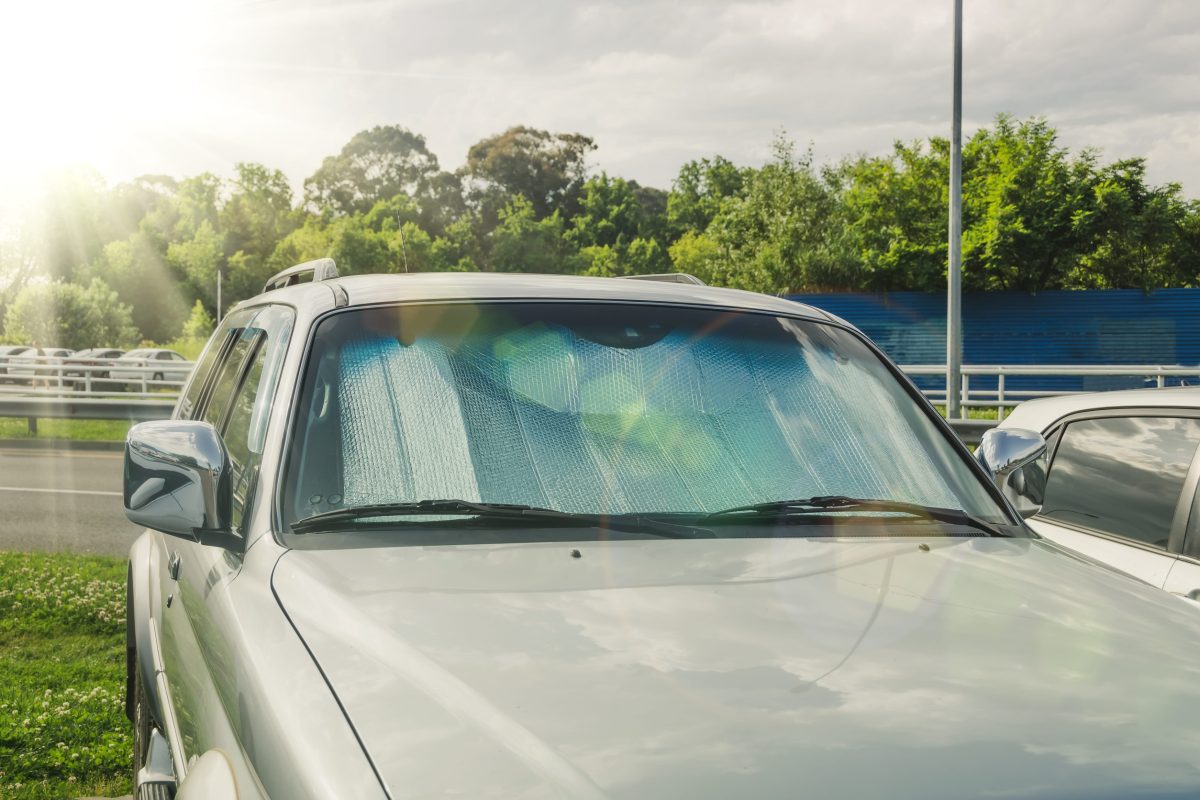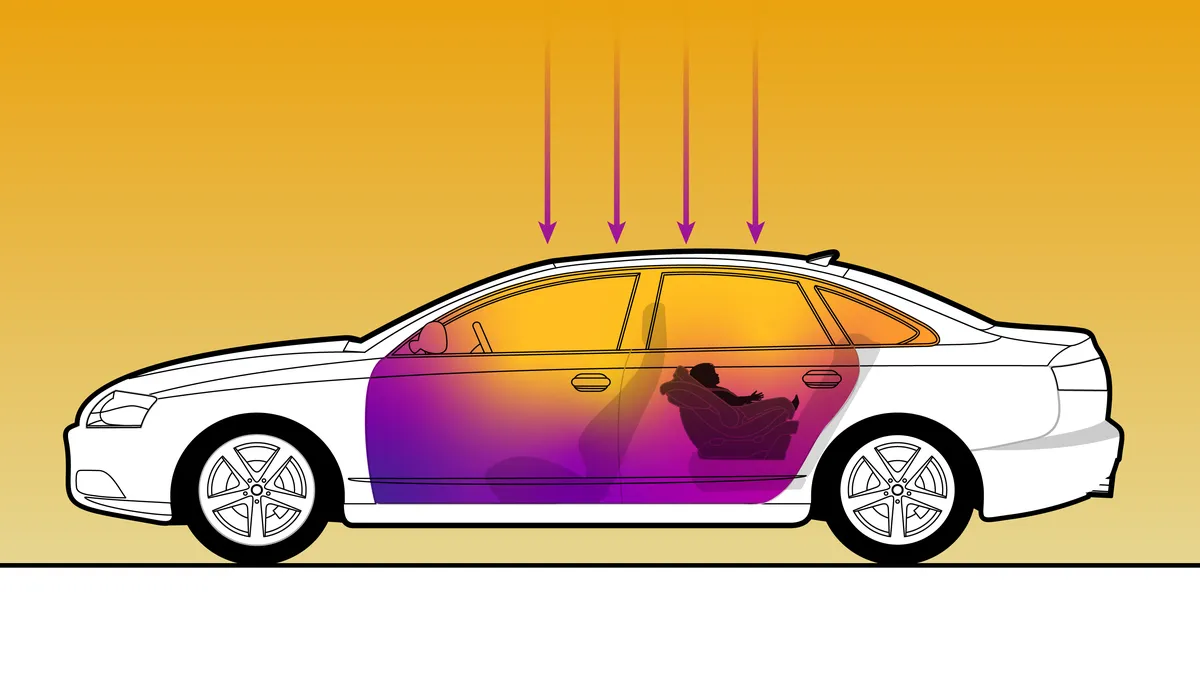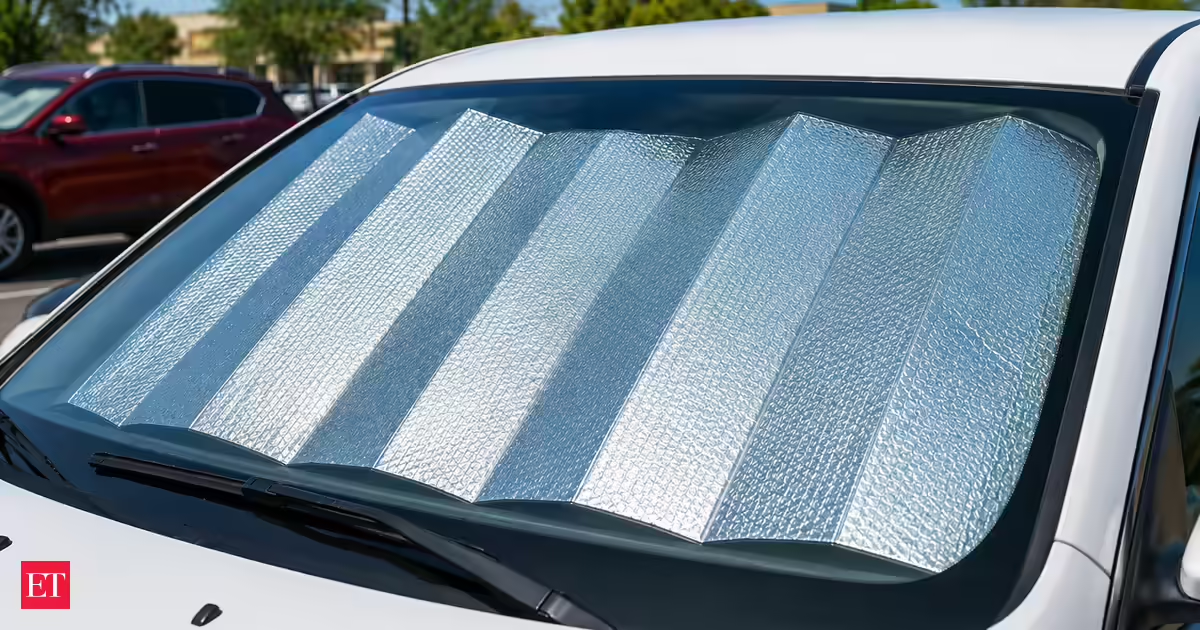
You know the feeling. You've been out running errands on a hot summer afternoon, and as soon as you open the door of your car, you are hit in the face with a wall of suffocating heat. The steering wheel is hot, the seatbelt buckle could sear a steer, and sitting on a black leather seat is like a punishment. If this sounds familiar, there might be an easy fix you aren’t using, and the research backs it up.A study, ‘Parked cars get dangerously hot, even on cool days, Stanford study finds,’ published by researchers at the Stanford University School of Medicine, discovered that the temperature inside a parked car can increase by an average of 40 degrees Fahrenheit within an hour, no matter the temperature outside. According to the Stanford study, about 80 percent of that rise occurs in the first 30 minutes, meaning your car heats up to dangerous temperatures much faster than most people think.Why your parked car turns into an ovenThe reason is the greenhouse effect. Sunlight passes through your car’s glass, warming everything inside the car, the dashboard, the seats, the trapped air, and the heat has nowhere to go. In the Stanford research, lead author Dr. Catherine McLaren, a clinical instructor in emergency medicine, said there are instances of children dying on days as cool as 70°F because it’s not the outside temperature that matters, but whether the sun is out. The windscreen is the largest piece of glass on most cars, the largest portal for all that solar energy, which is exactly why blocking it matters so much.What a sunshade really does and how much it helpsA windscreen sunshade reflects incoming sunlight out through the glass before it has a chance to bake your interior. It doesn't actively cool the air in your car, but it prevents the main source of heat from doing damage in the first place.A car parked in direct sunlight can heat up by 40 degrees Fahrenheit within an hour. Image Credits: PexelsAccording to a study titled ‘Study on the Thermal Accumulation and Distribution Inside a Parked Car Cabin,’ published in the American Journal of Applied Sciences by researchers at Universiti Teknologi PETRONAS, placing a sunshade under the front windscreen significantly lowered heat accumulation in the cabin. According to this research, the dashboard surface temperature was reduced by 26%, and the maximum interior air temperature was 27% lower than that of an entirely unshaded vehicle parked in direct sunlight.That’s a significant number. The dashboard is more than a surface. According to this same study, it is the main source of convective heat transfer to the air inside the cabin. The whole car runs cooler when the dashboard runs cooler.What about cracking the windows?Many people probably do it because of habit, thinking it helps. It doesn’t. Not in any meaningful way, anyway. The Stanford study found that cracking a window made little difference to the rate of heating or to the final interior temperature after an hour. The Stanford researchers say that the pre-cooling trick, turning on the AC before you park, didn’t help much either; it just delayed the temperature spike by about five minutes.How to pick a sunshade that actually worksNot all sunshades are equal, and fit is everything. As the research shows, sunlight streaming in above the dashboard does the most damage, and gaps around the edges of a shade let that happen.Get a shade that completely covers the windscreen and has no exposed areas around the edges. Reflective, metal-coated shades are better than plain cardboard ones, because they bounce the light back out rather than absorbing it. Many blinds also have an insulating inner layer to provide extra heat resistance. Custom-fit options tailored to your specific vehicle provide the best coverage, but accordion-style or foldable shades in the right size work well for most cars.Studies show that a front windshield sunshade can lower dashboard temperatures by 26 percent. Image Credits: ChatGPTOther ways to protect your car's interiorOne of the most effective options is to park in the shade whenever possible, especially if the windscreen is the part you can keep out of direct sun.Another practical step is to insert mesh shades on rear passenger windows that filter the sun’s rays even when the car is moving, and keep those in the back seat cooler. If your car has dark leather seats that absorb heat aggressively, a light-colored seat cover will be much cooler than plain dark leather. A simple and free way to do the same thing is to throw a white towel over your seat when you are parked.All these are aimed at layering. A sunshade takes care of the windscreen. Backseat rear window shades are useful. The rest is done by shade. None of these tricks will magically take all the heat away, but together they’ll make climbing back into your car in August a lot less miserable.The bottom lineThe science is clear: a windscreen sunshade makes a meaningful dent in the temperature inside a parked vehicle. It won’t keep your interior perfectly cool, but it does cut down the worst of the heat buildup, protects your dashboard and upholstery from long-term sun damage, and reduces the time your AC needs to make the cabin livable again. For a low-cost, no-tech solution, it's one of the smarter things you can keep in your car this summer.
Stanford researchers say your car heats up to 40 degrees in an hour, and does a sunshade solution work?
Discover the alarming findings of a Stanford study showing parked cars heat up by 40 degrees in an hour. Learn effective strategies, including the importance of using sunshades, to protect your vehicle's interior from extreme heat and sun damage this summer.
892 words~4 min read