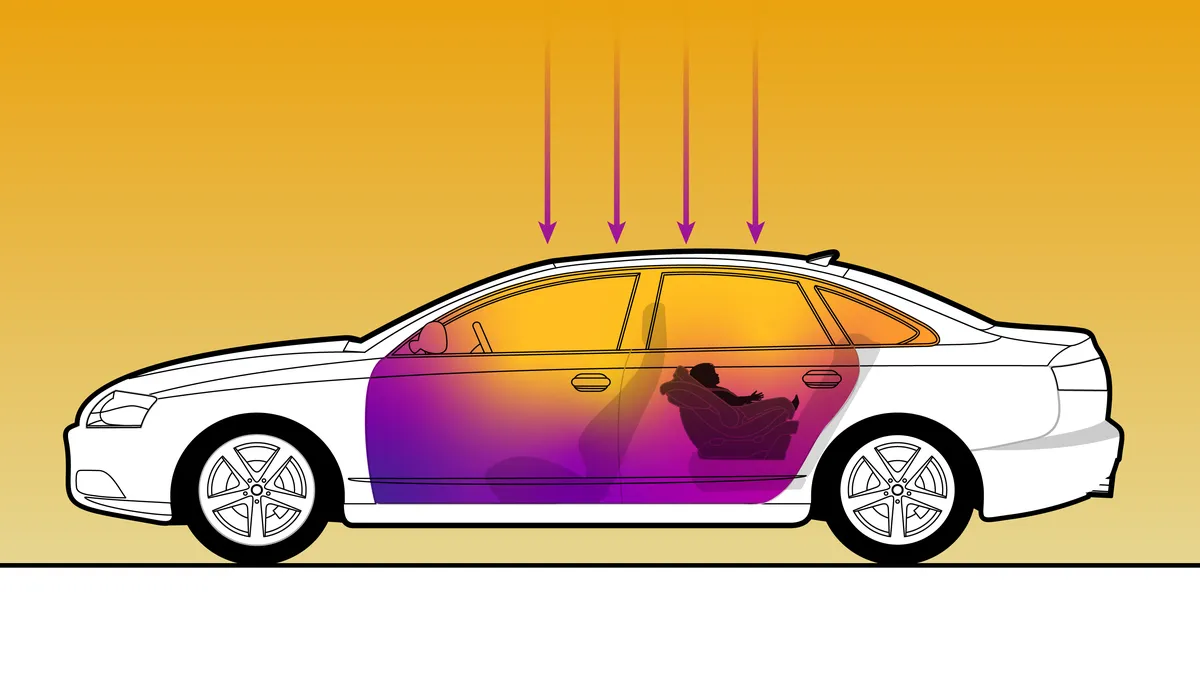
Temperatures are expected to climb into the 90s across a large portion of the central and eastern United States, with some communities seeing multiple days of hot and humid conditions before the Fourth of July holiday weekend arrives. In many areas, AccuWeather RealFeel Temperatures could top 100 degrees during the afternoon, according to AccuWeather.Children may be at serious risk for health issues due to these high temperatures. According to the National Highway Traffic Safety Administration, heatstroke kills around 40 kids in cars every year.July is the deadliest month for children left in cars. Last year, 31 children died nationwide from vehicular heatstroke. In 2026, eight deaths have been reported so far.Unable to view our graphics? Click here to see them. Hot car deaths peak in the summer monthsFrom May through September, the U.S. sees the highest number of hot-car incidents. Although June, July and August are the most prevalent months, children have died in cars in every month of the year.How car interior temperatures can climbCars can heat up quickly; interior temperatures can rise 20 degrees in 10 minutes. Even if it’s only in the 60s outside, the temperature inside a car can reach 110 degrees.Examples of interior heat based on a 95-degree day:Mapping where most US hot car deaths occurTexas has recorded more child hot car deaths than any other state, with 173 fatalities as of 2025, according to KidsandCarsSafety.org.The state’s large population, high number of vehicles and long stretches of intense summer heat all contribute to the elevated risk. Extended periods of triple-digit temperatures can cause the interior of a parked car to reach deadly levels within minutes, increasing the danger for children left inside.Most hot car deaths are accidentalAccidents are the primary cause of heatstroke fatalities, according to NoHeatStroke.org.The majority, 52.6%, take place when parents fail to see their children in the backseat of the car. Another 23.8% of children got in the car on their own and 21.8% were left there on purpose, according to the organization.Authorities stress these simple steps can prevents accidental deathsHere's what NHTSA says you should do to prevent a tragic accident:Make it a habit to open the rear door as you get out of the car and keep anything that you need to start your day in the backseat, such your mobile phone or computer bag.Put something that will serve as a visual cue that your child is with you, such a diaper bag, in the front seat.Ask your childcare providers to call you if your child isn't dropped off as scheduled, because parents sometimes think they have dropped their child off and go to work, accidentally leaving them in their car seats all day.SOURCE: NoHeatStroke.org; National Safety Council, National Highway Transportation Safety Administration; USA TODAY research
Where are kids dying in hot cars? Data shows hotspots
Cars can become dangerously hot in summer and experts warn that a child left inside can face life-threatening conditions within minutes. What to know.
459 words~2 min read