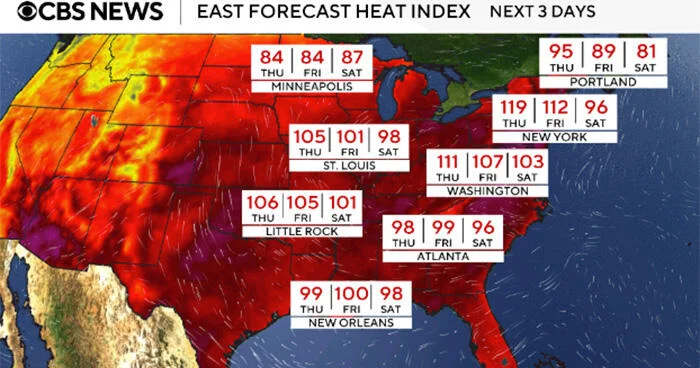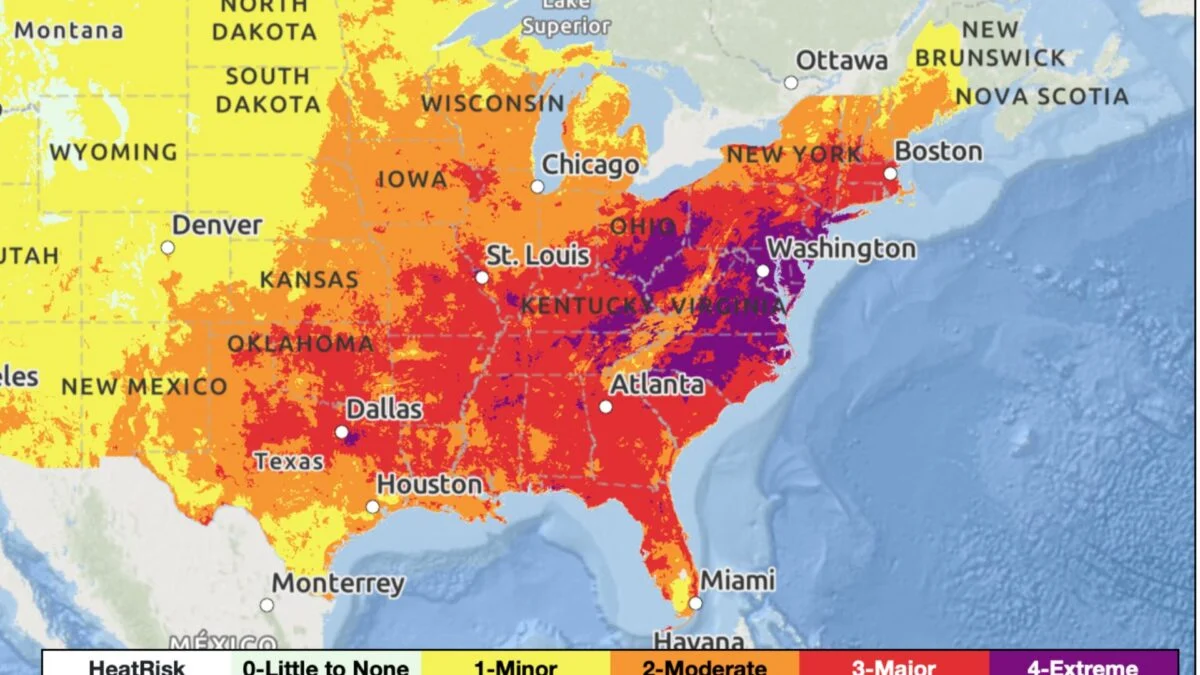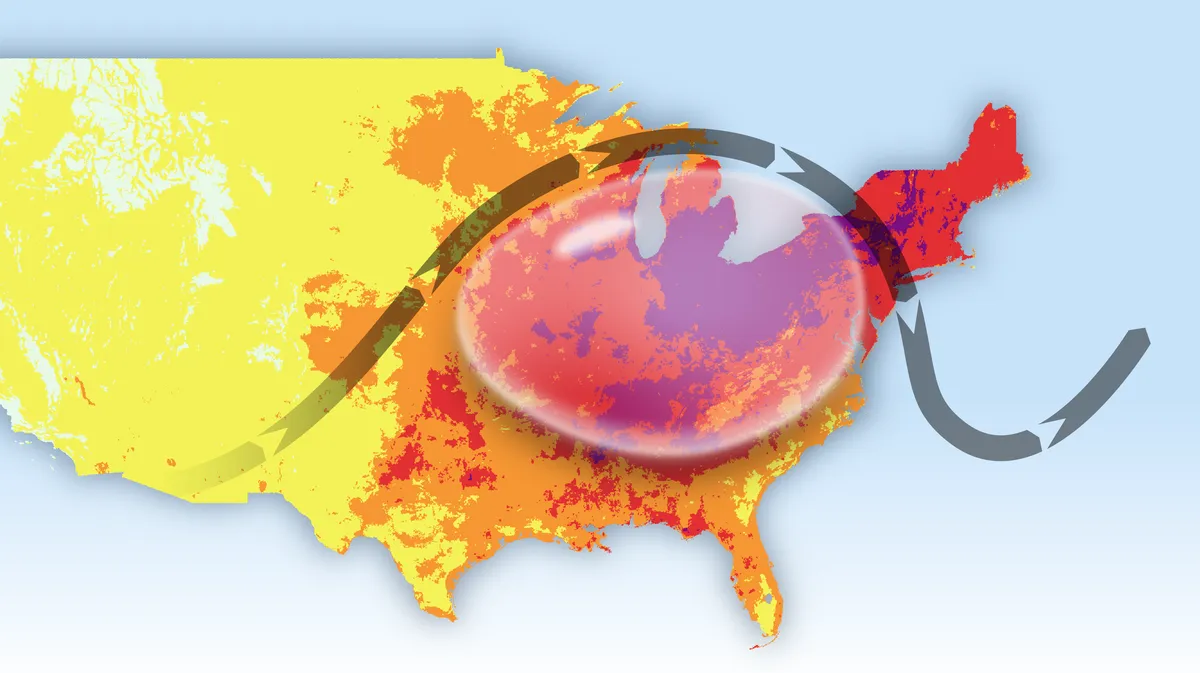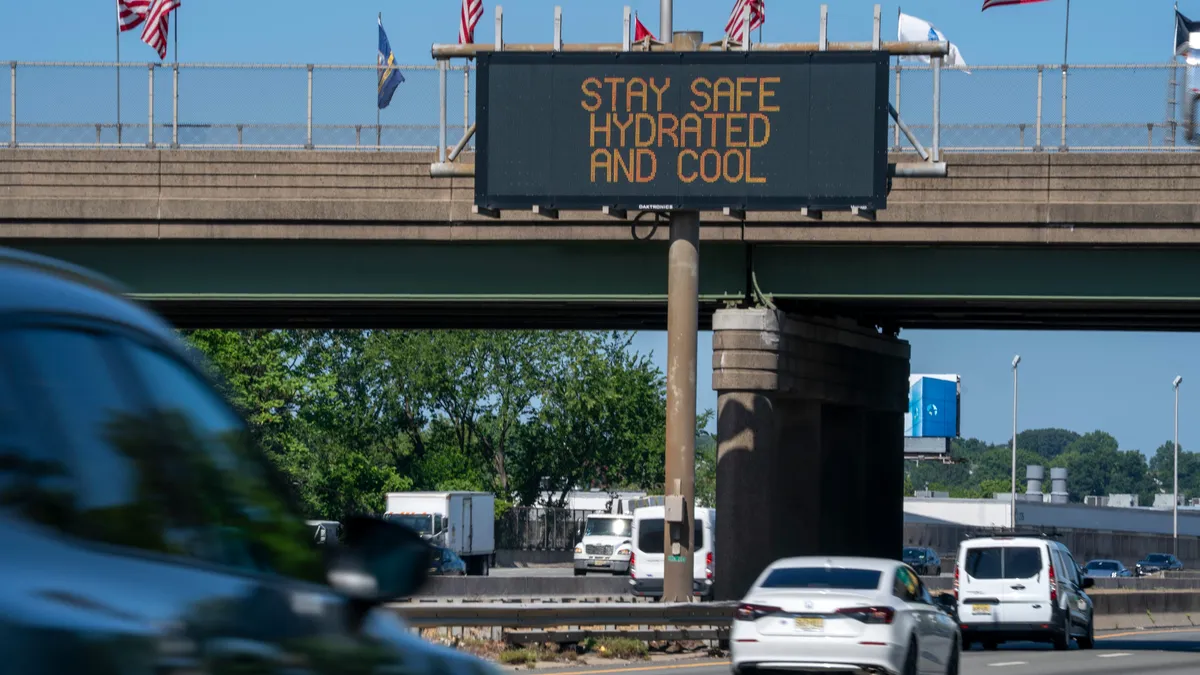
Millions of Americans heading out for Fourth of July celebrations may have to contend with a mix of dangerous heat, severe thunderstorms and flash flood threats as weather conditions vary dramatically across the United States this holiday weekend.Forecasters have warned the most intense heat will grip the eastern half of the United States, with some locations expected to experience temperatures 10 to 20 degrees Fahrenheit above average. Combined with high humidity, conditions could feel as hot as 115 degrees in some areas.ALSO READ: Germany changes sick leave policyThe scorching weather is expected to impact holiday travel, outdoor barbecues, parades and fireworks celebrations as the nation marks Independence Day.While much of the eastern half of the country is expected to bake under unusually high temperatures, parts of the Plains and Midwest could see strong storms capable of producing damaging winds, large hail and heavy rainfall.The weather outlook comes as Americans prepare for fireworks displays, barbecues, parades and travel during one of the busiest holiday weekends of the year.ALSO READ: 300-year-old Shiva Lingam-shaped stepwell revived in KarnatakaHeat dome fuels dangerous temperatures across eastern USA sprawling dome of high pressure is trapping hot air across much of the eastern third of the country, creating what meteorologists describe as a prolonged and dangerous heat event.According to NOAA, high temperatures will soar across the Mid-South, Southeast and Mid-Atlantic through Saturday before the hottest air shifts toward the Southeast and Mid-Atlantic on Sunday.Heat index values — which combine air temperature and humidity — are forecast to range between 105 and 115 degrees across many communities.The agency warned that the extreme heat will create a "major-to-extreme HeatRisk" across much of the eastern United States. “This could be the hottest Fourth of July ever recorded”The upcoming holiday could be one for the record books in several cities.CBS News meteorologist David Parkinson said: "This could be the hottest Fourth of July ever recorded for some cities."Numerous daily temperature records are expected to be broken, while some long-standing records could also be challenged as the heat intensifies through the weekend.Unlike many short-lived heatwaves, overnight temperatures are also expected to remain unusually warm, offering little relief after sunset.Major cities brace for triple-digit heatBy Sunday, some of the hottest conditions are expected across the Mid-Atlantic and Southeast. Major metropolitan areas including Charlotte, Washington, D.C., and Philadelphia could see temperatures climb into the upper 90s or near 100 degrees.When humidity is factored in, temperatures could feel between 100 and 110 degrees across wide portions of the region.Health experts warn that prolonged exposure to such conditions can increase the risk of heat exhaustion and heat stroke, especially for people attending outdoor celebrations.Holiday events could become uncomfortableThe heat is expected to be the biggest weather concern for many Fourth of July events. Large crowds gathering for fireworks displays, festivals and outdoor concerts may face uncomfortable and potentially dangerous conditions during the afternoon and early evening hours.Officials are urging people to:Drink plenty of water throughout the dayWear lightweight and light-colored clothingSeek shade whenever possibleLimit strenuous outdoor activity during peak afternoon heatCheck on elderly relatives and neighborsRelief expected early next weekThe intense heat will not last forever.NOAA says a cold front moving across the country is expected to bring cooler air from the Midwest into parts of the eastern United States by Monday.Temperatures should gradually return closer to seasonal averages next week, offering relief after what could be one of the hottest Independence Day weekends in recent years.West avoids the worst of the heatWhile the eastern half of the country bakes under extreme temperatures, much of the West is expected to enjoy more comfortable conditions.Temperatures across coastal California and the Pacific Northwest are forecast to remain near or slightly below average, with plenty of sunshine expected through the holiday weekend.The Desert Southwest will still experience its typical July heat, but forecasters say the region is unlikely to see the widespread, record-threatening temperatures affecting the East.For millions of Americans, however, the story of this Fourth of July will be the heat. With temperatures climbing well above normal and humidity making conditions even more oppressive, forecasters are urging people to celebrate safely and take the dangers of extreme heat seriously.
Fourth of July weather forecast in US: “Potentially the hottest ever” as heat dome sends temperatures soaring above 100 degrees across multiple states
Fourth of July weather update: Millions across the eastern United States face dangerous heat this Fourth of July weekend, with temperatures potentially reaching 115 degrees Fahrenheit due to a heat dome. Forecasters warn of record-breaking highs and little overnight relief, impacting celebrations. Meanwhile, the West anticipates milder weather. Health experts urge caution during outdoor events as extreme heat poses significant risks.
691 words~3 min read