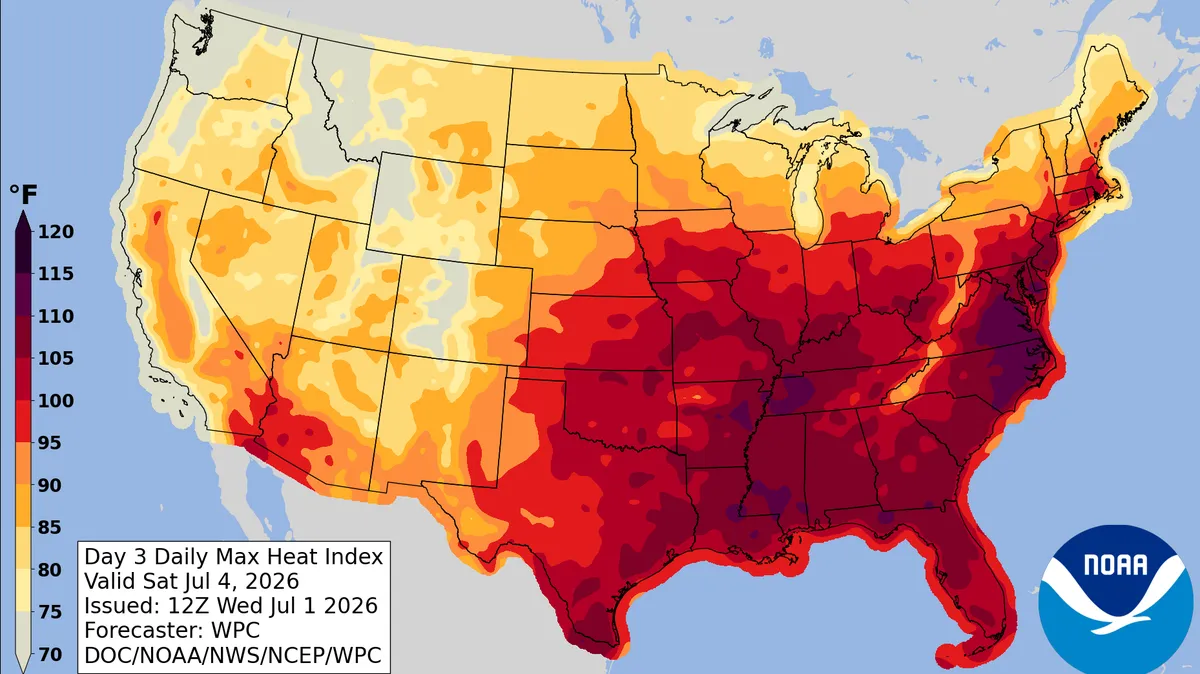
The eastern U.S. is in the grips of a brutal heatwave heading into July Fourth weekend. As millions head outside to attend parades, barbecues, and fireworks displays, excessively high temperatures and suffocating humidity will pose a a significant public health threat. The deadly nature of extreme heat has been making headlines as an unprecedented, prolonged heatwave bakes Europe. On June 23, France recorded its hottest day ever, and national officials reported more than 1,000 heat-related deaths between June 24 and 27. According to one preliminary statistical estimate, the continent-wide death toll of this event could exceed 20,000. But why, exactly, is extreme heat so deadly? Gizmodo spoke with experts who explained how severe heat exposure impacts the body, from your cells to your major organ systems. While certain populations are more vulnerable than others, everyone is at risk during a major heatwave.
How the body regulates its temperature Humans are homeotherms, meaning our bodies need to maintain a stable internal temperature to function properly. That safe temperature range is quite narrow, roughly between 97 degrees Fahrenheit (36.1 degrees Celsius) and 99 degrees F (37.2 degrees C) for adults, according to the Mayo Clinic.