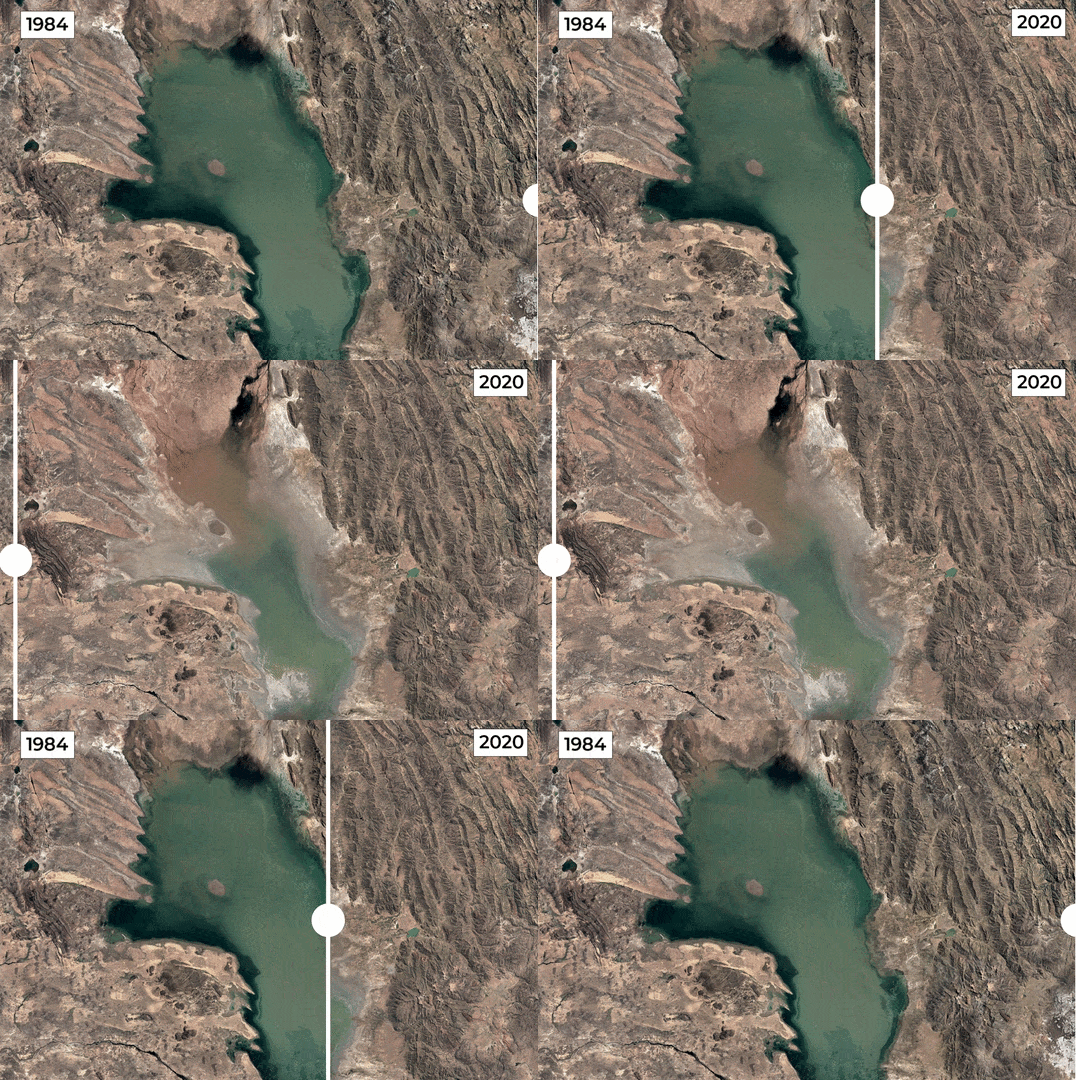
More than half of global GDP depends on nature – yet wildlife is disappearing at an alarming rate. Freshwater species have fared worst of all, with populations down 85 per cent since 1970.
The consequences reach far beyond ecology: degraded soil threatens agricultural supply chains, and the loss of natural flood protection puts more communities at risk.
The problem is made worse by how difficult it is to measure what is being lost. Traditional biodiversity surveys rely on trained ecologists spending weeks or months in the field, identifying species by sight or sound. The results are slow, expensive, and often inconsistent.
"If you and I went to the same river, we would not produce the same species list," Dimple Patel, CEO of biodiversity monitoring company NatureMetrics, tells Euronews Earth. "This makes it very difficult to bring together data sets that people are actually able to reconcile as well as standardise on a global basis."
All species in one bottle of water