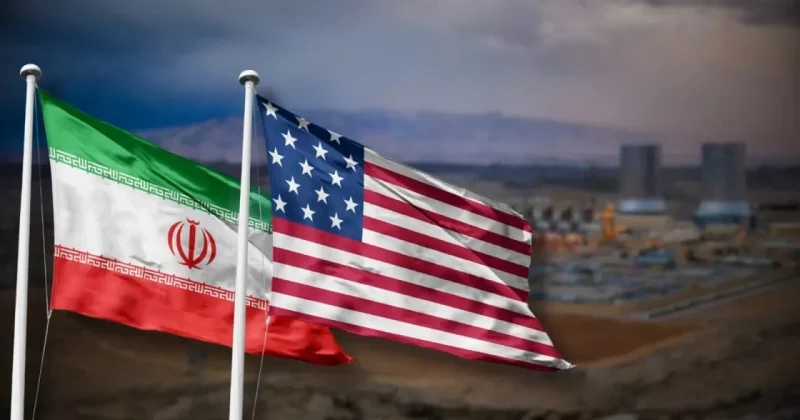
The US-Iran conflict, now four months old, refuses to fade into background noise. Renewed airstrikes from both sides in late June have pushed oil prices higher again, just weeks after ceasefire framework agreements seemed to promise a cooling period.
What’s happening with oil
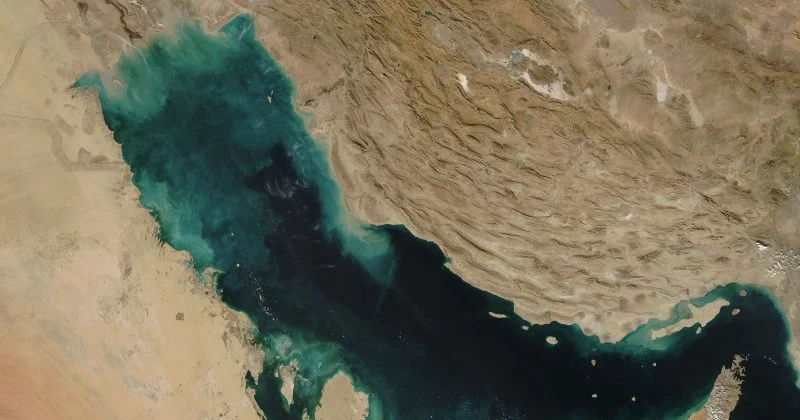
The conflict began on February 28, 2026, when US and Israeli forces launched coordinated airstrikes against Iran. Oil markets responded exactly how you’d expect: Brent crude surged above $120 per barrel in March, as traders scrambled to price in the risk of disrupted flows through the Strait of Hormuz, the narrow waterway through which roughly a fifth of the world’s oil passes daily.
By mid-June, framework agreements between Washington and Tehran brought prices back to earth. Brent crude dropped over 5% on the deal news alone, settling into a range of $80 to $83 per barrel. WTI followed suit, and for a brief moment, it looked like the worst-case energy scenario was off the table.
Then came the late June escalation. Renewed US strikes in early June were followed by Iranian missile actions by June 28, reigniting the volatility that ceasefire talks had temporarily suppressed. Oil is climbing again, though it remains well below the March panic highs.