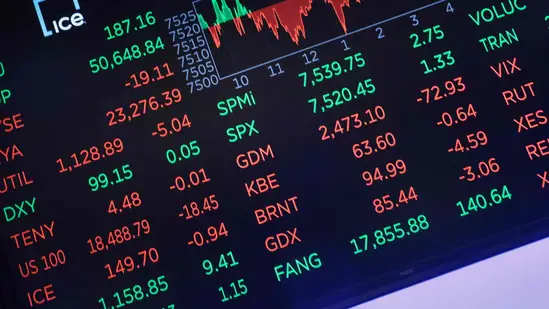
Oil prices cratered on June 18, falling more than $2 per barrel after the US and Iran signed a memorandum of understanding aimed at ending the war and reopening the Strait of Hormuz. Brent crude slid to around $83, its lowest level since early March 2026, just days after the conflict erupted in late February.
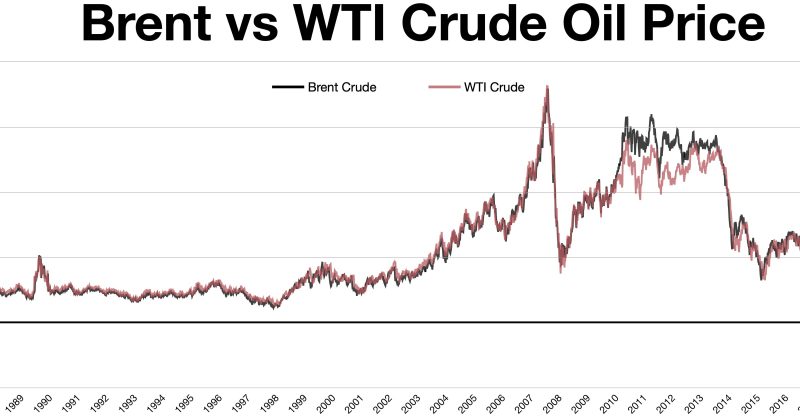
For context, Brent spiked above $120 per barrel in April when the war escalated. That means crude has shed roughly a third of its wartime premium in a matter of weeks.
What actually happened
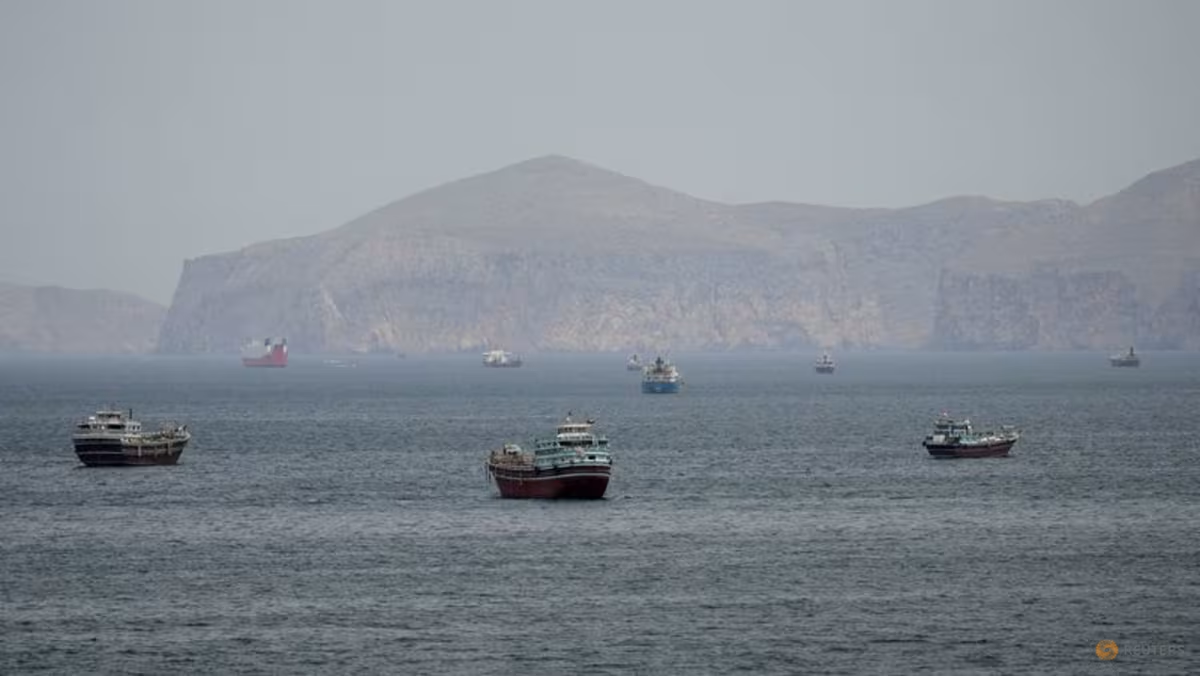
The MoU represents the most concrete step toward de-escalation since the Iran war began around February 28, 2026. The Strait of Hormuz, a narrow waterway through which a massive share of global oil supply flows, became a flashpoint early in the conflict. Its potential reopening is what sent traders scrambling to reprice risk across commodity markets.
The drop of more than $2 per barrel on a single day is notable, but the broader trajectory is what matters. From $120-plus in April to roughly $83 now, oil markets have been steadily unwinding the geopolitical risk premium as ceasefire talks gained momentum through May and into June.