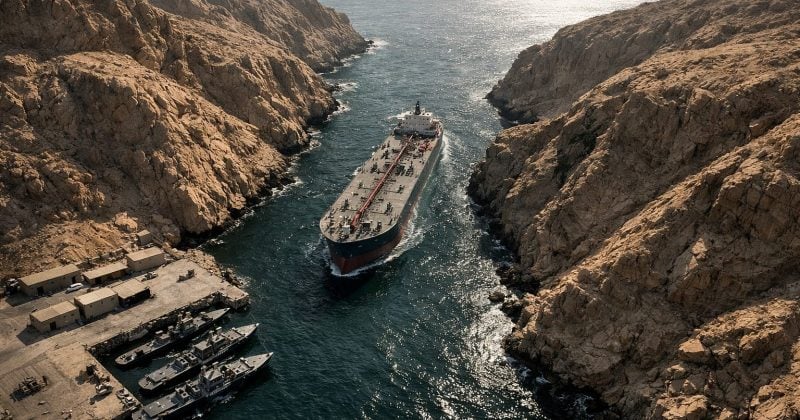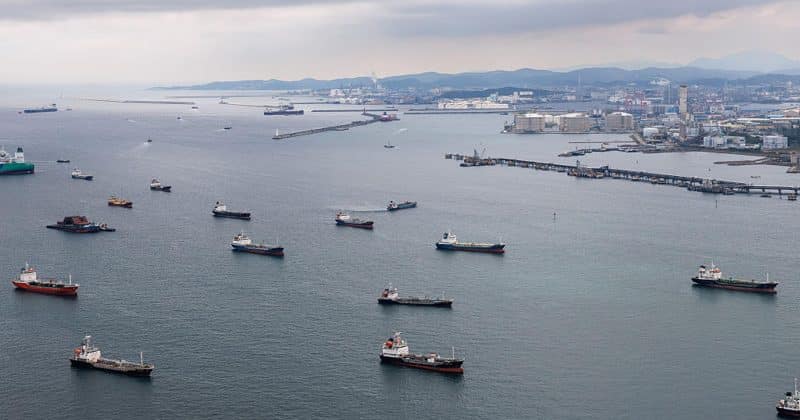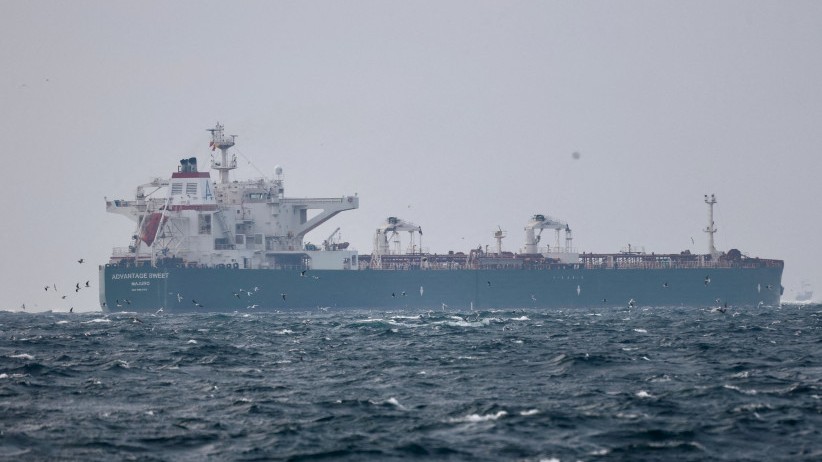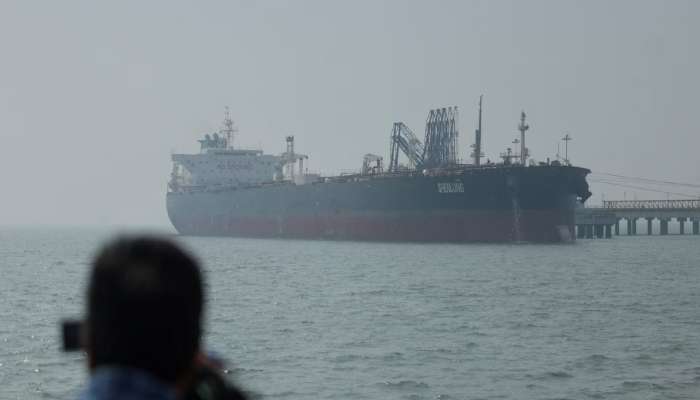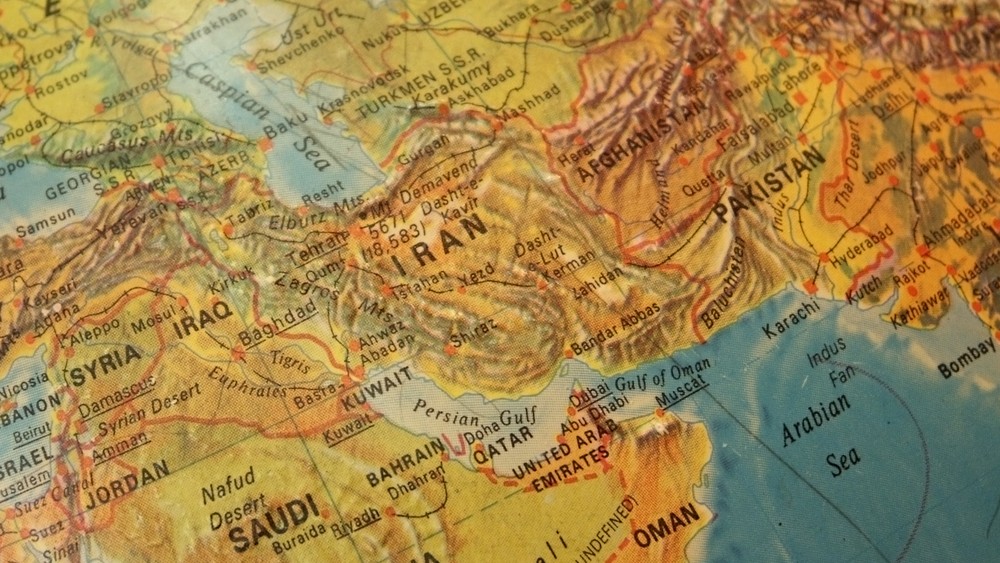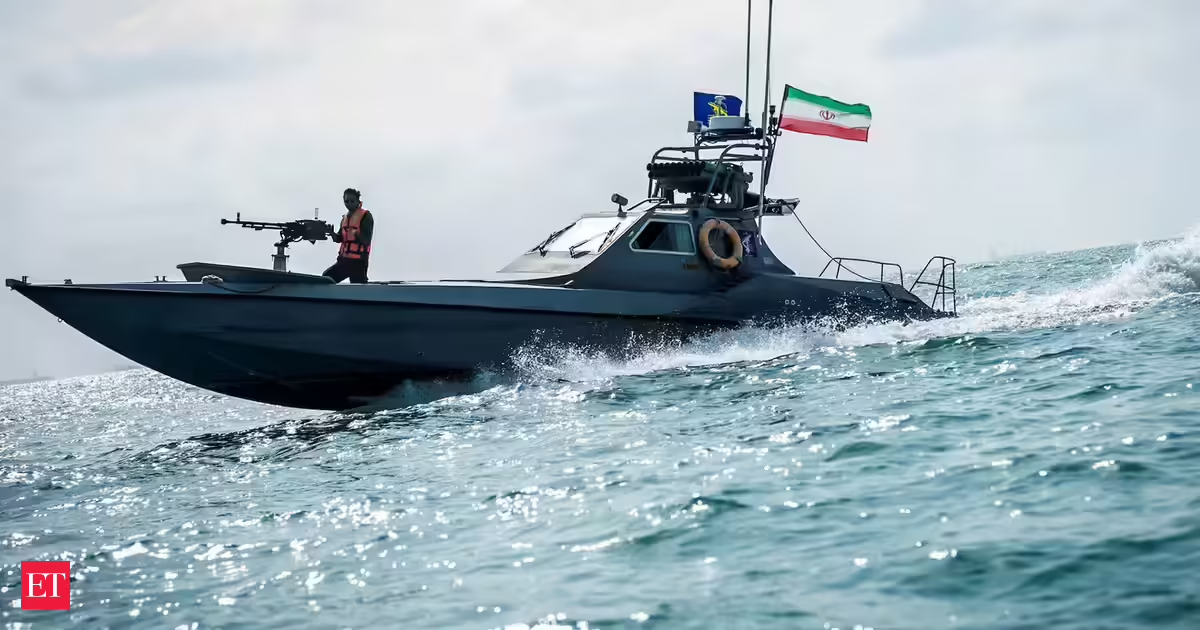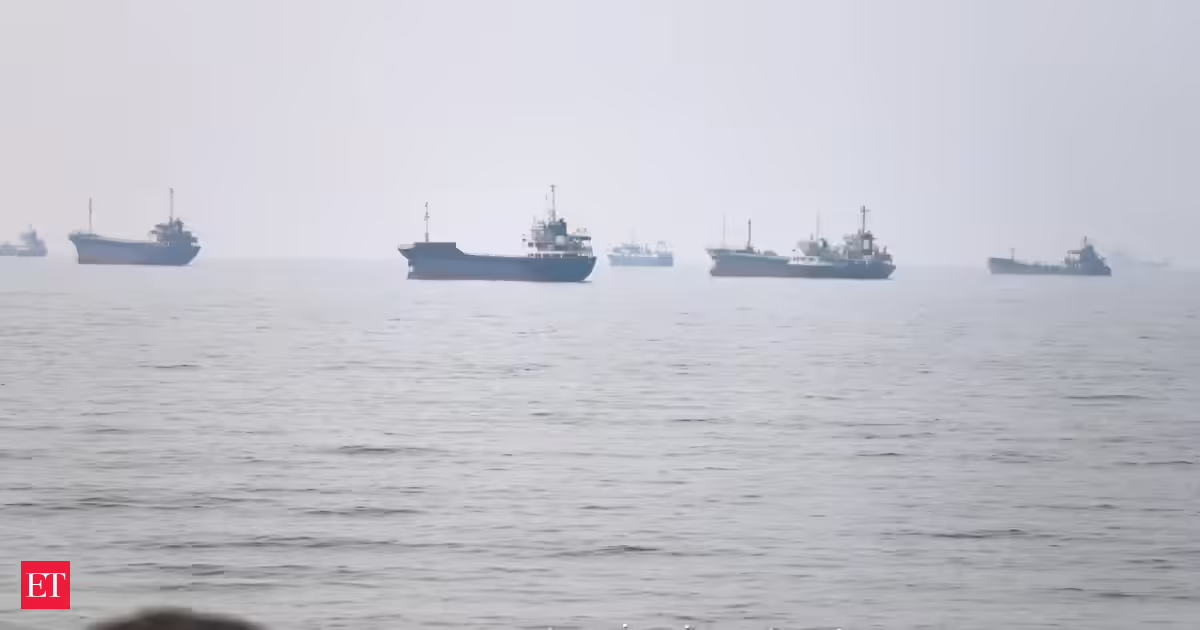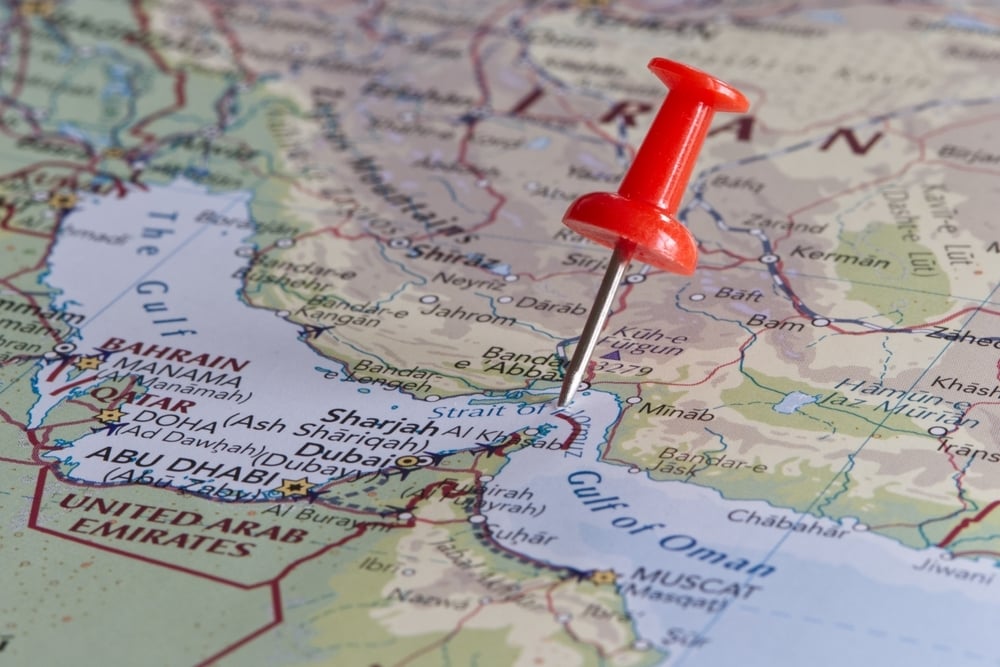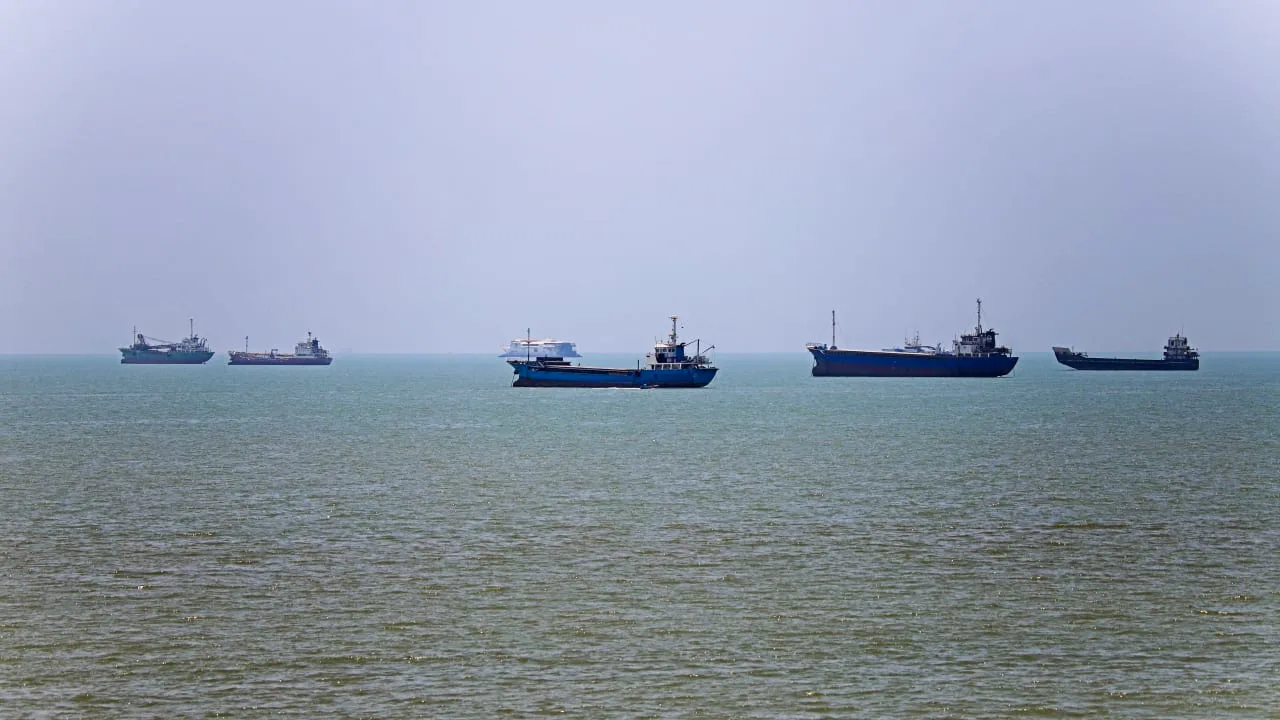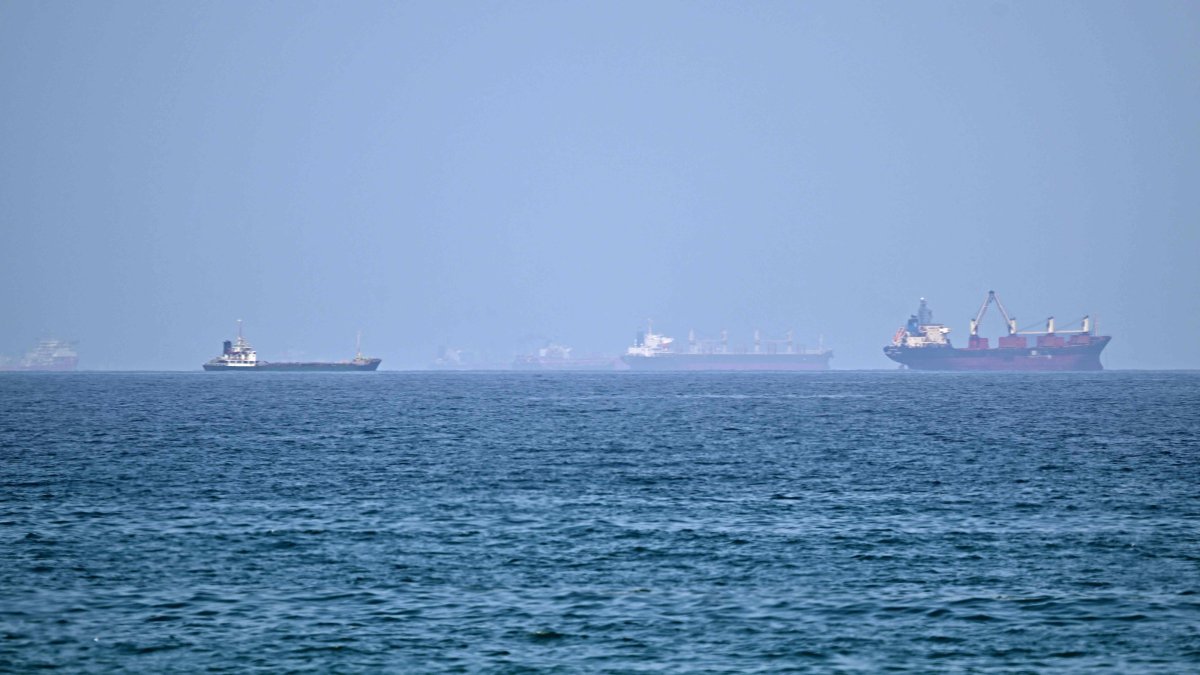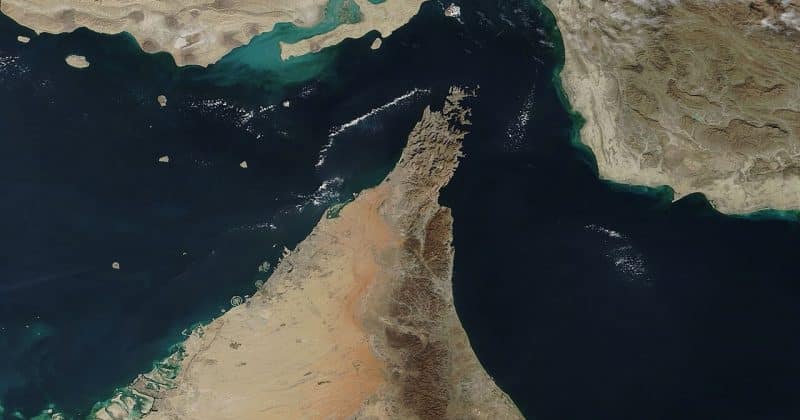
Iran just tightened its grip on the most important oil chokepoint on the planet. The Islamic Revolutionary Guard Corps now requires all vessels passing through the Strait of Hormuz to coordinate exclusively with IRGC naval forces, use international maritime Channel 16, and follow routes sanctioned by Tehran.
The directive, announced via Iranian state television on June 25, comes with teeth. Vessels that fail to comply could face punitive actions for unauthorized navigation, essentially turning a previously international waterway into something closer to an IRGC-managed toll road.
Why the Strait of Hormuz matters to everyone
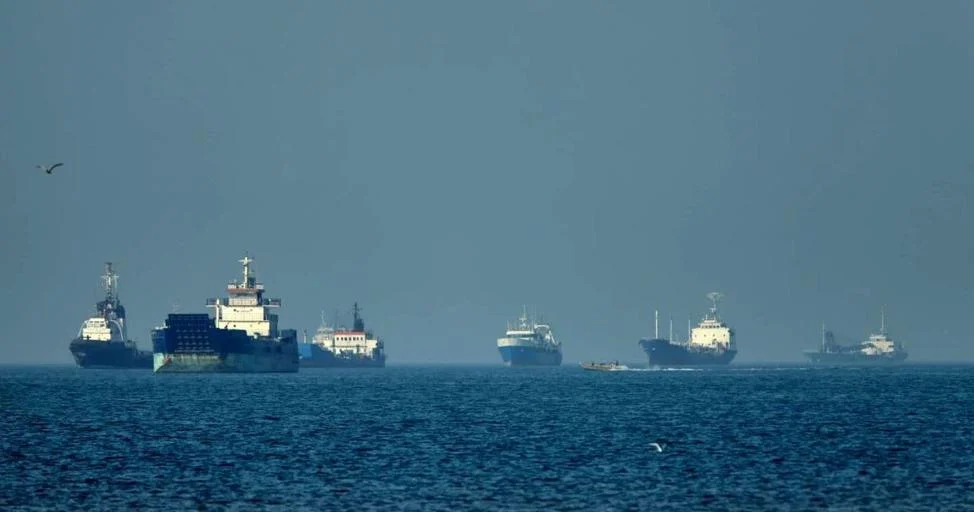
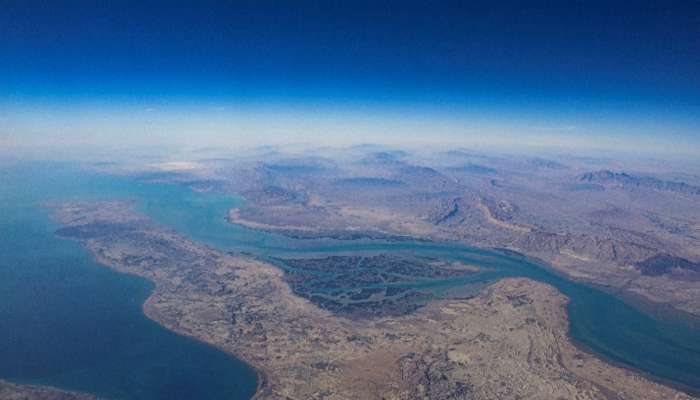
Roughly 20% of the world’s seaborne crude oil flows through this narrow passage between Iran and Oman. It’s the bottleneck that keeps energy ministers up at night and the reason insurance premiums for tankers in the Persian Gulf can swing wildly on a single headline.
The IRGC has been signaling its operational capacity in recent weeks. In May 2026, the guard corps reported coordinating the passage of 26 vessels through the strait in a single 24-hour period. That’s not just a logistics flex. It’s a demonstration that the IRGC can manage, and by implication restrict, the flow of traffic at will.