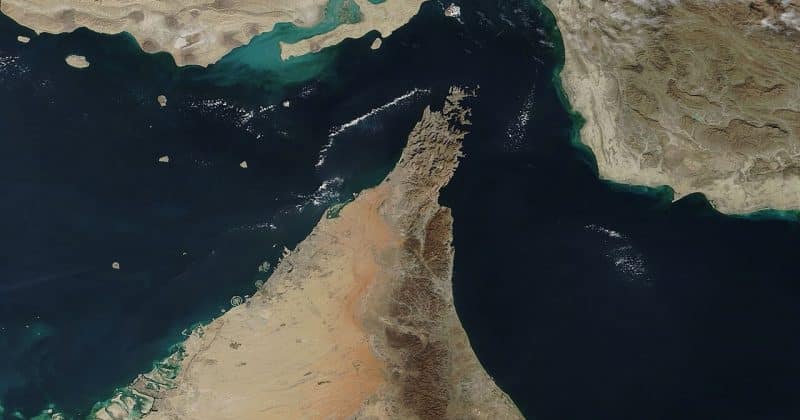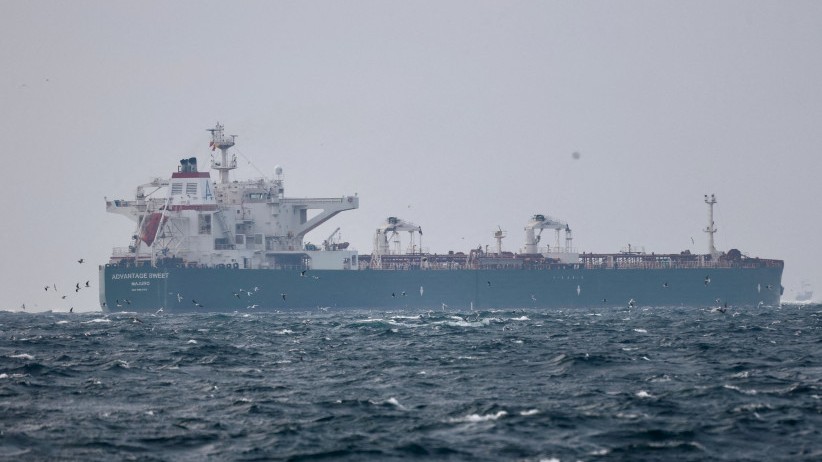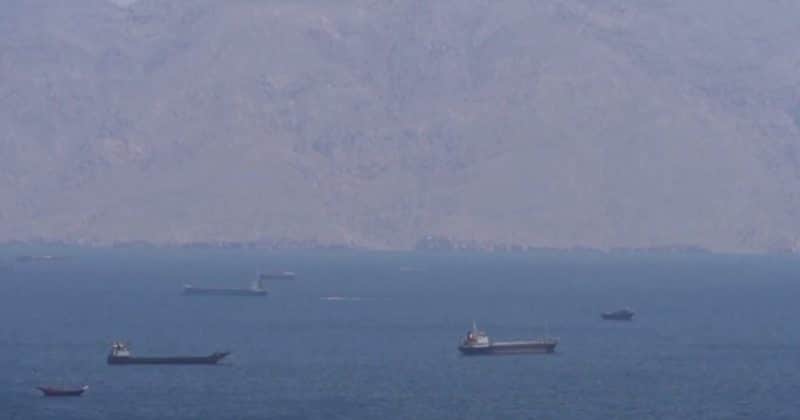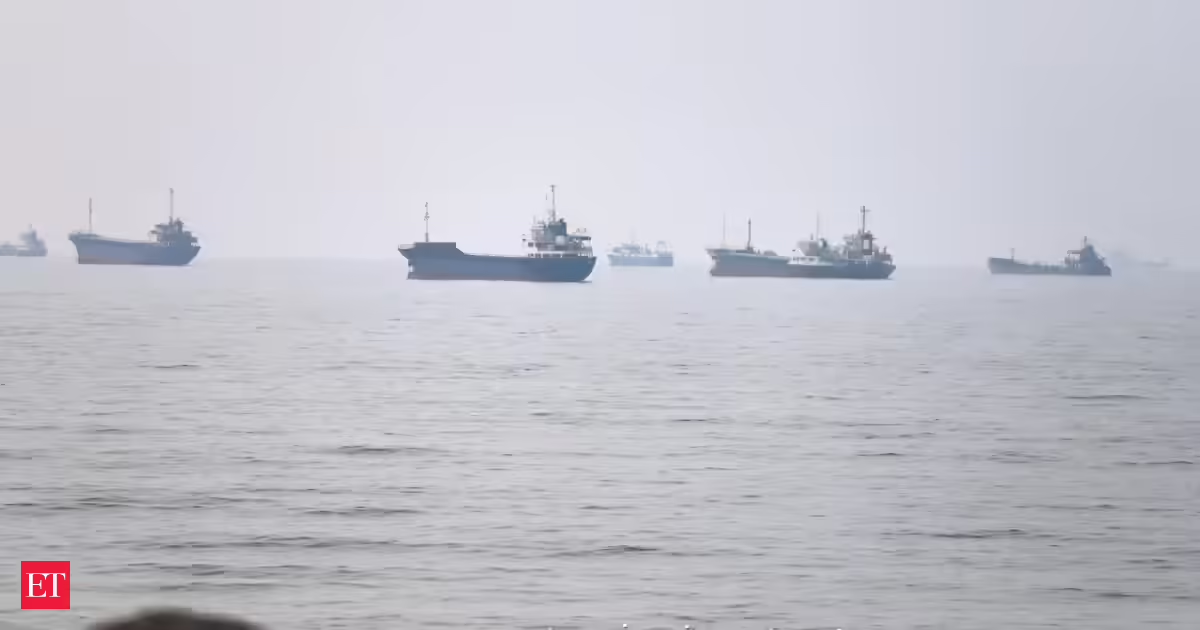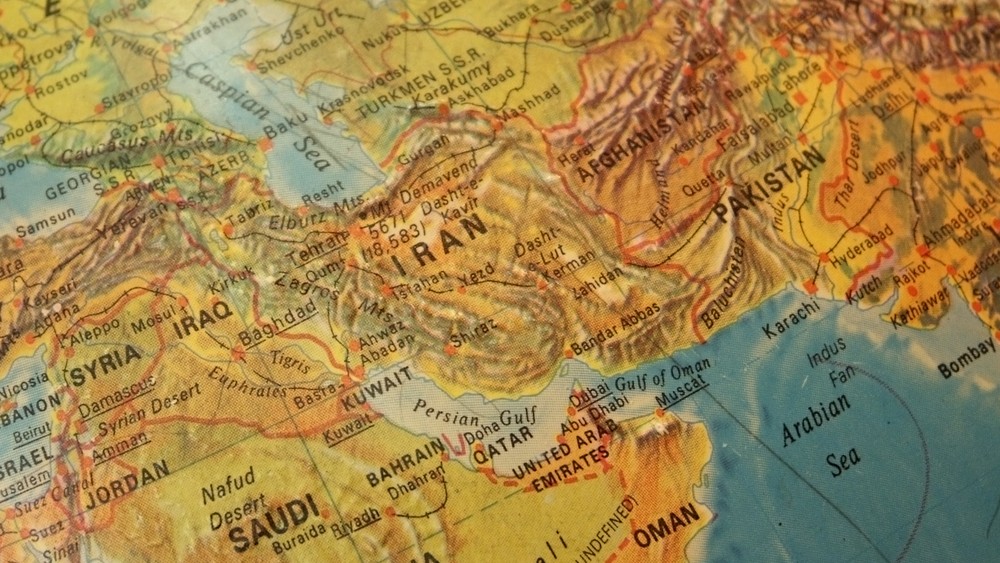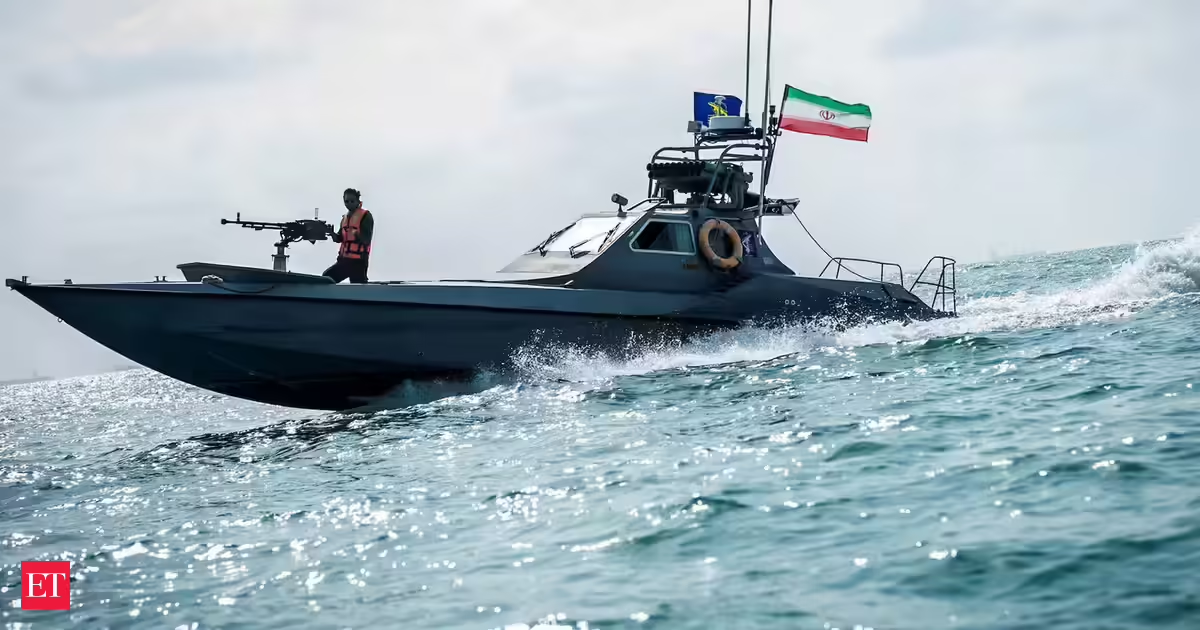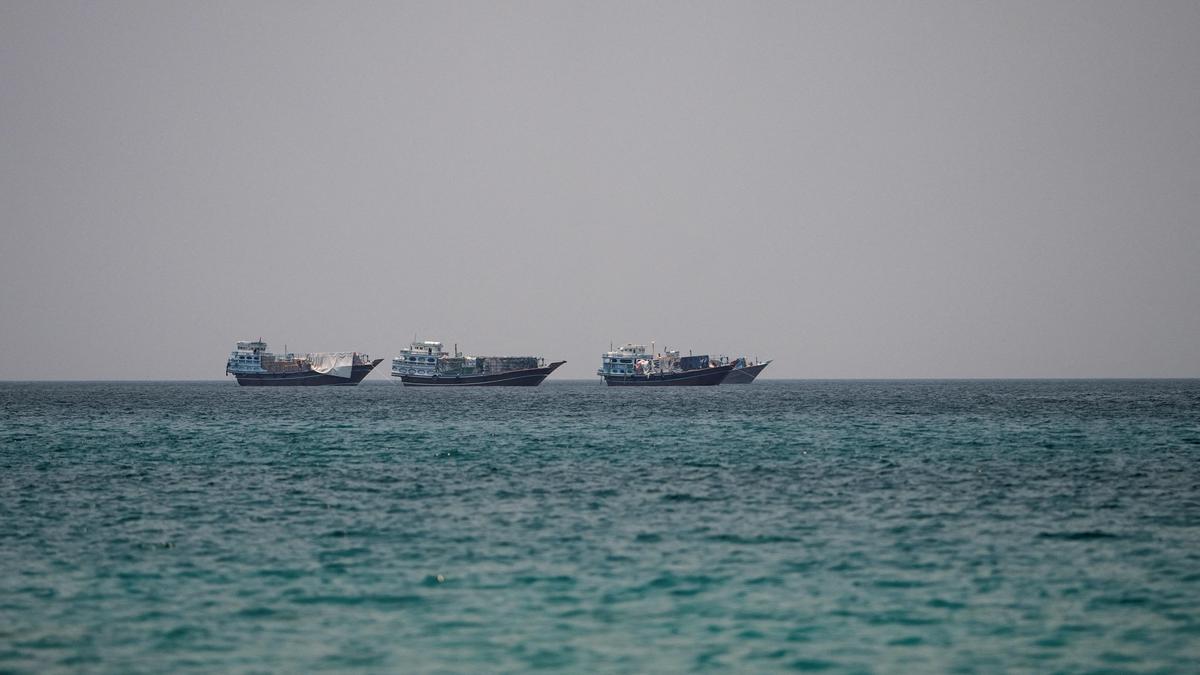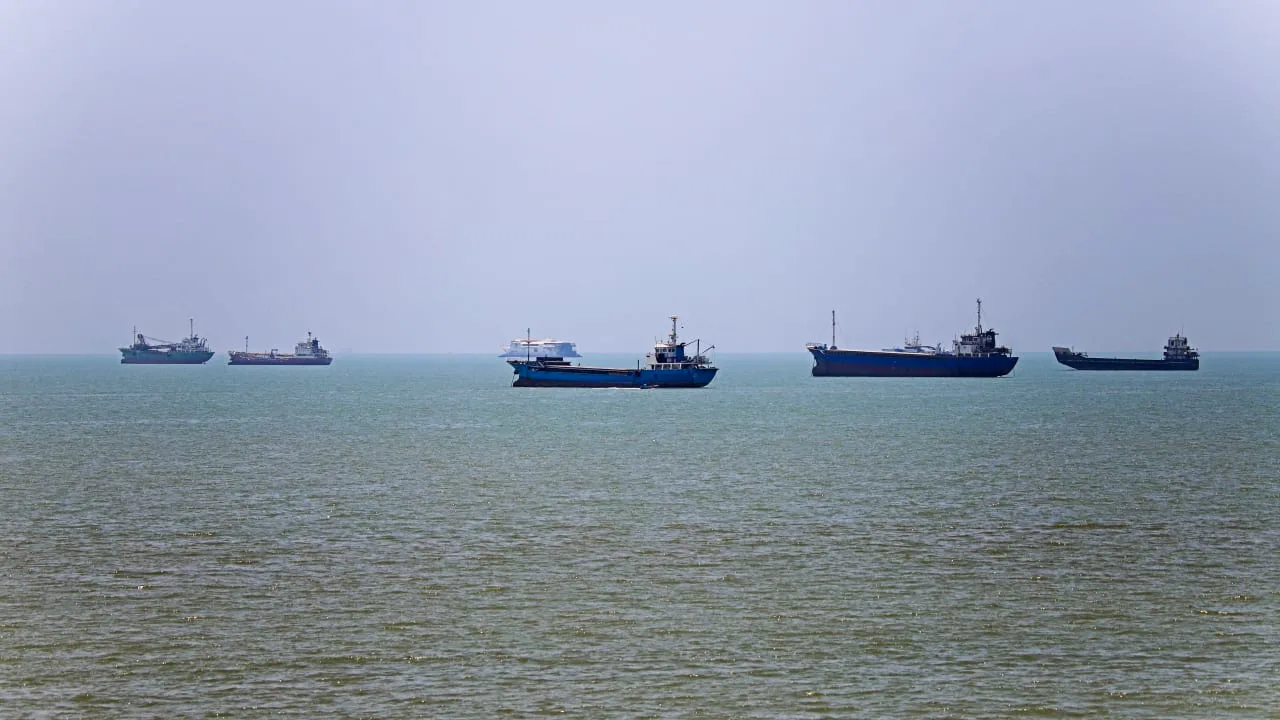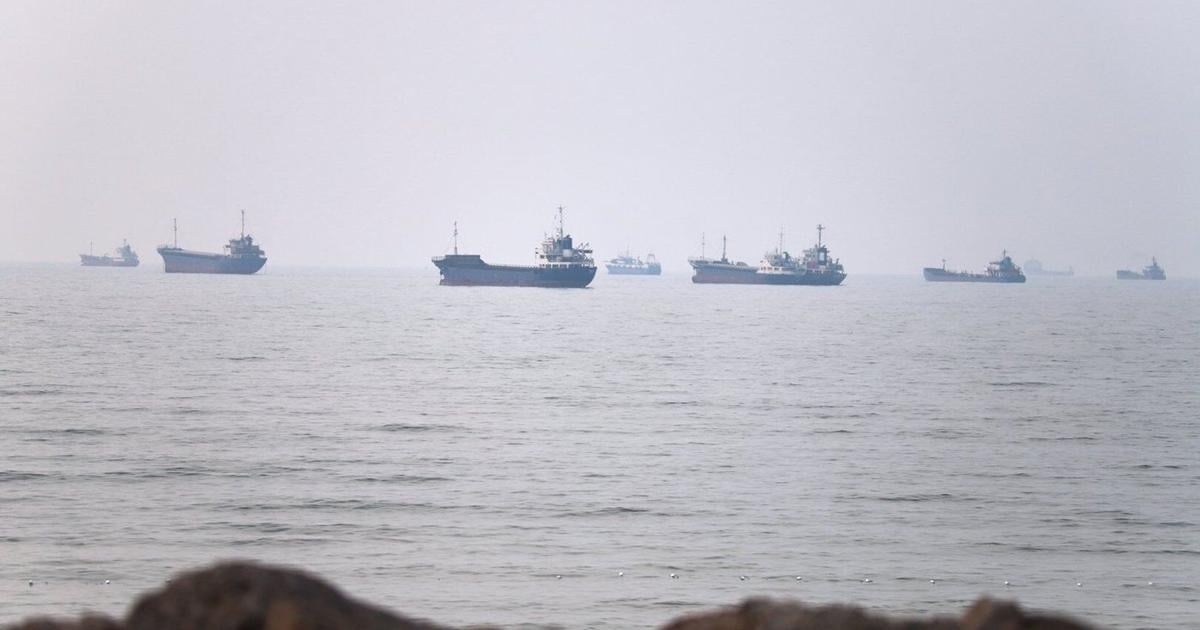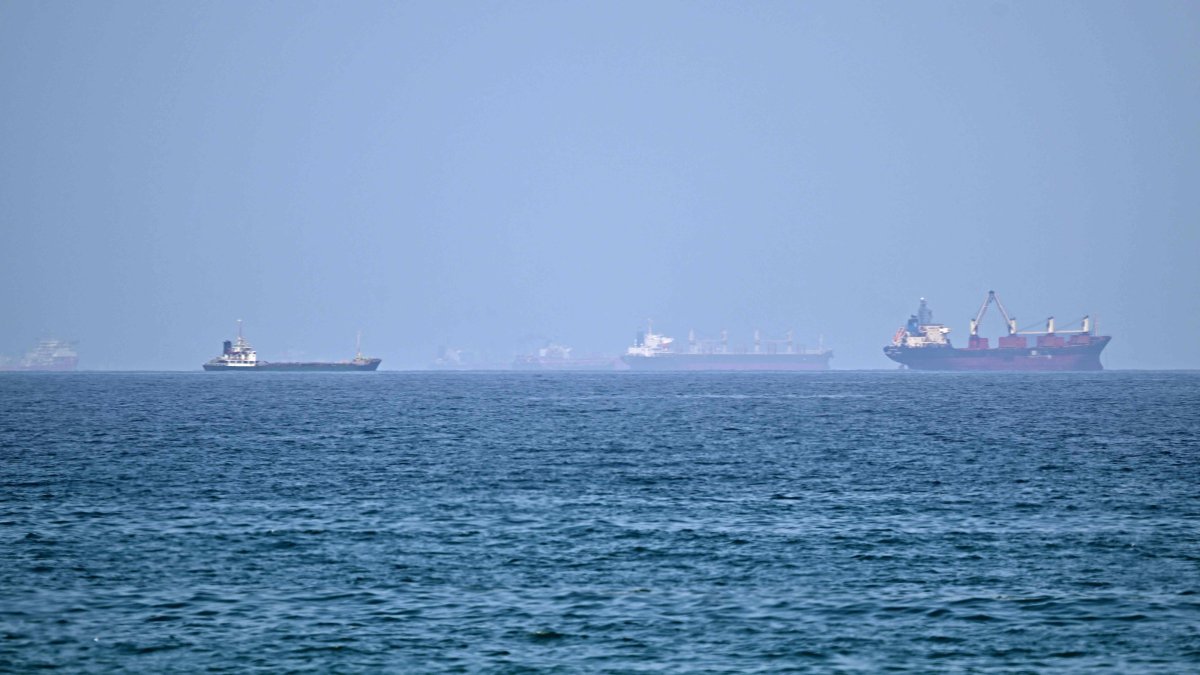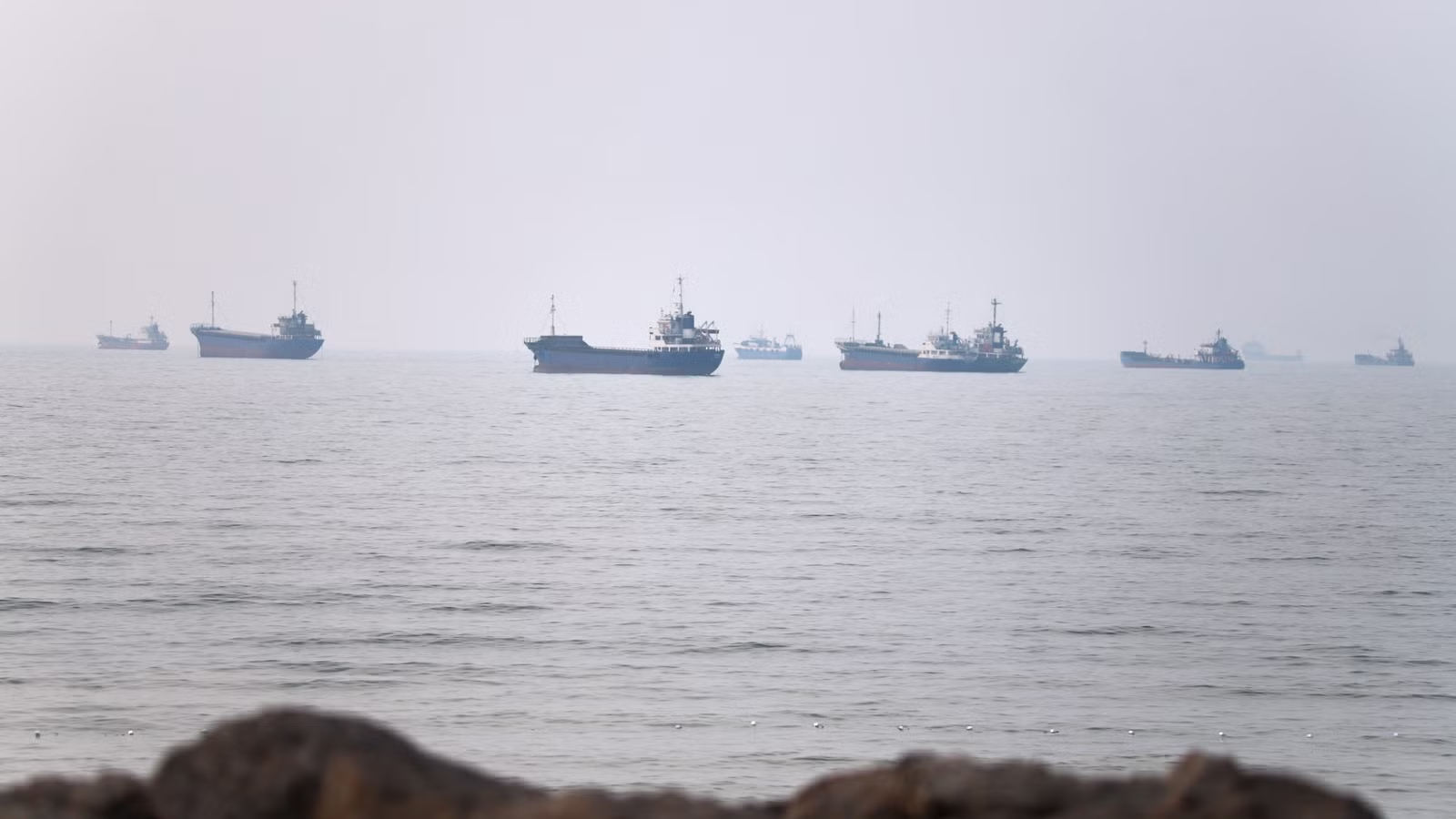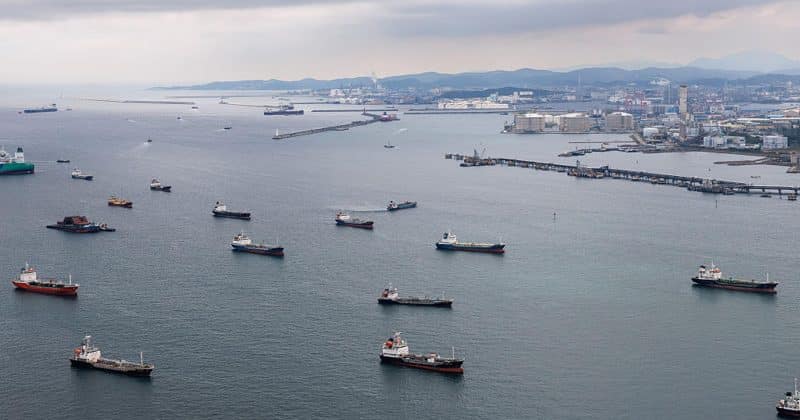
Iran just rewrote the rules for one of the most important stretches of water on the planet. The Islamic Revolutionary Guard Corps Navy, along with the Persian Gulf Strait Authority, announced on June 25 that all foreign vessels must now follow specific routes designated by Tehran when passing through the Strait of Hormuz.
Here’s the thing: roughly 20% of the world’s oil supply flows through this narrow waterway. Any disruption, real or perceived, has the potential to send shockwaves through energy markets, commodities, equities, and yes, crypto.
New rules, new reality
The new regulations go well beyond a polite suggestion. Foreign vessels are now required to obtain passage permits from Iranian authorities before entering the strait. Ships must also carry Iran-approved insurance to navigate the waterway.
Perhaps most consequentially, the mandated routes push vessels closer to Iran’s shores near Larak Island. The traditional Traffic Separation Scheme, an internationally recognized system of maritime lanes designed to reduce collision risk, has essentially been abandoned under these directives. Alternative routes are, in Iran’s words, “strictly prohibited.”