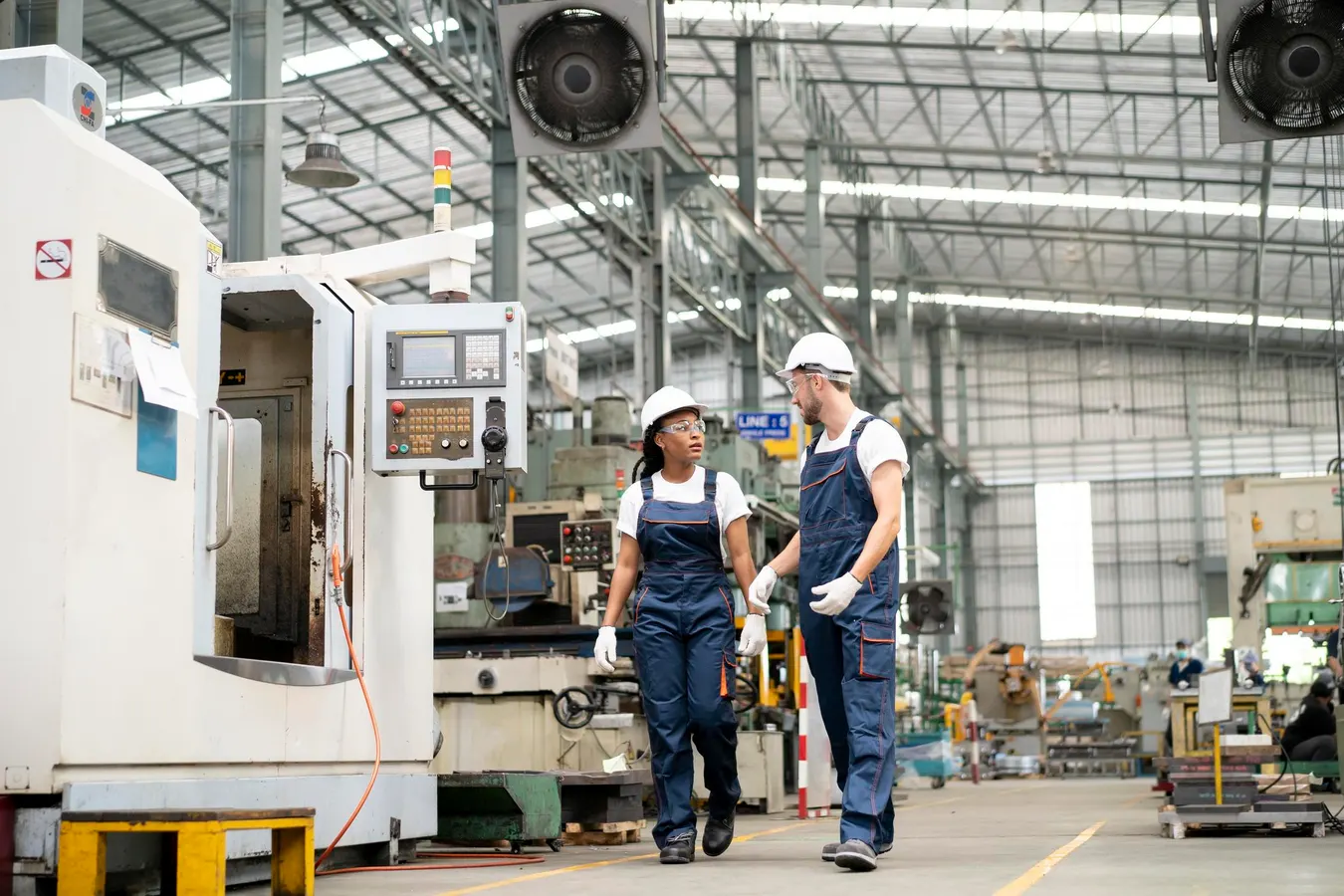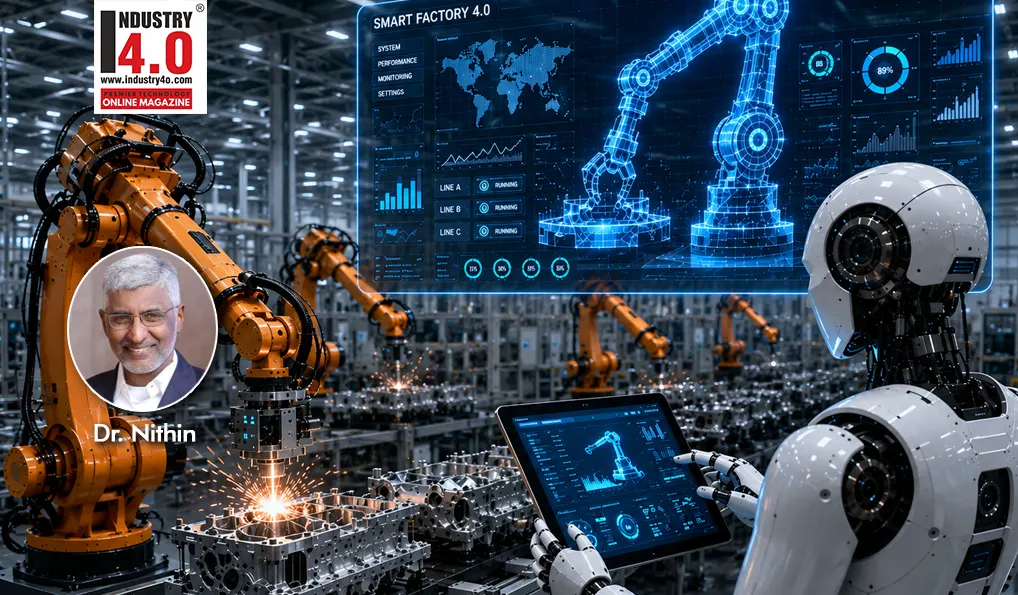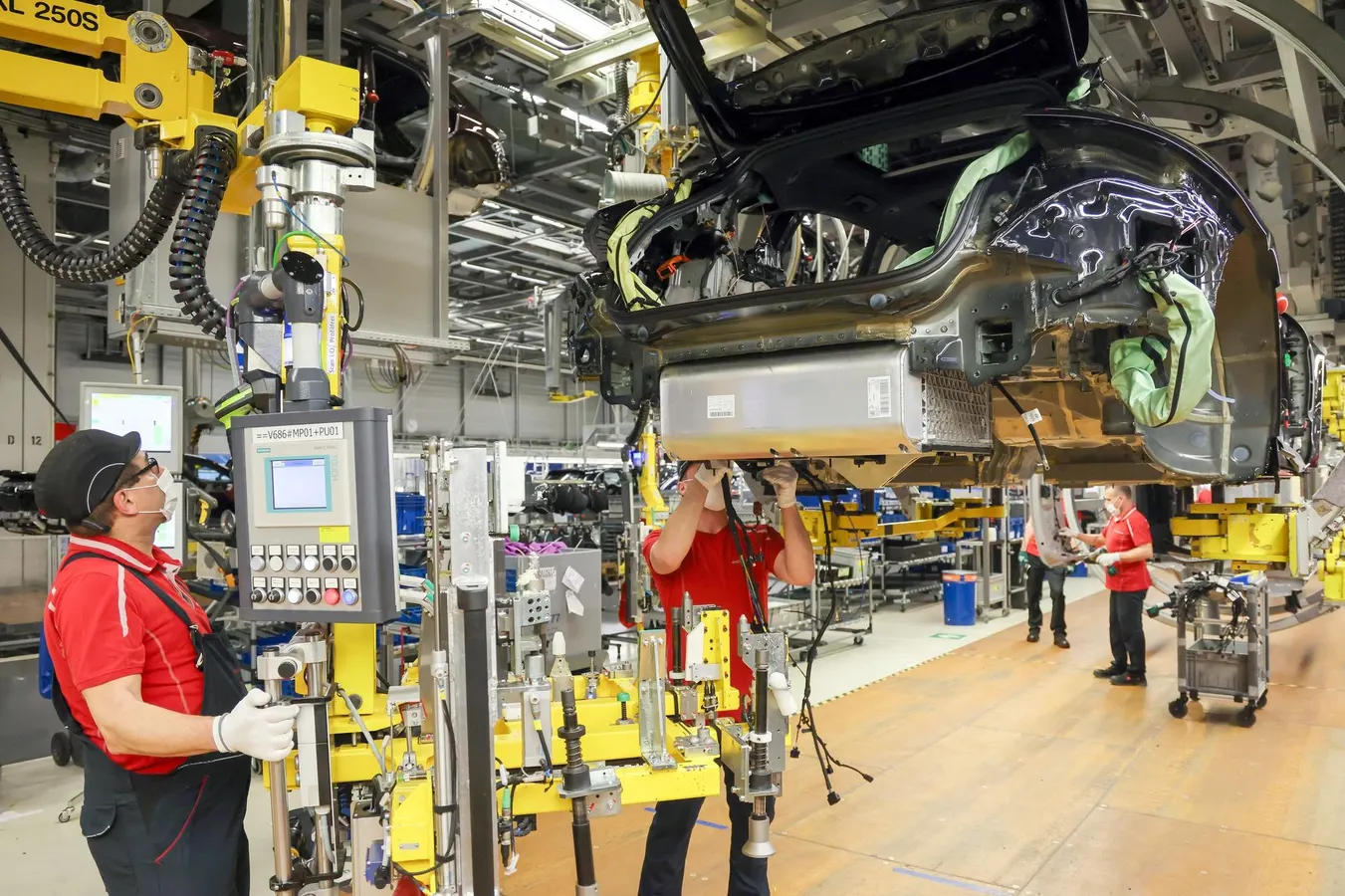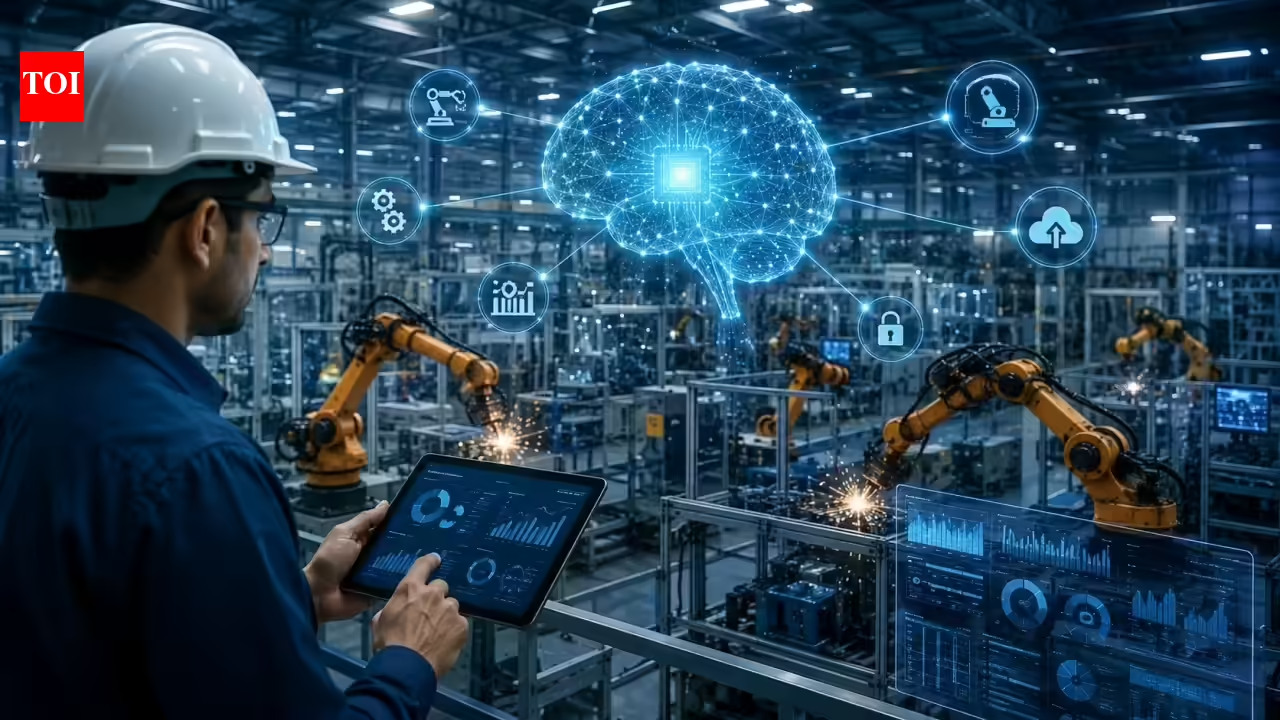
Manufacturing is often described as evolving, but what we are witnessing today is not merely a steady progression—it is a structural transformation in how production systems are conceived, operated, and refined. For decades, productivity was treated as something to be improved incrementally through lean methodologies, better layouts, and marginal gains. That paradigm is now insufficient. In the contemporary industrial landscape, productivity is no longer something we improve; it is something we engineer—designed into systems through data, intelligence, and continuous adaptation.Artificial intelligence (Thinkstock)This shift is most visible in the transition from traditional assembly lines to intelligent systems. Conventional assembly lines were built for stability and predictability, yet modern manufacturing environments are defined by volatility—fluctuating demand, increasing product complexity, and constant variability. In response, assembly lines are no longer static entities; they are becoming dynamic, thinking systems. These systems sense, learn, and adapt in real time, predicting bottlenecks before they occur and adjusting operations continuously rather than reacting retrospectively. The assembly line is no longer just a physical system—it is becoming a cognitive one.At the core of this transformation lies a fundamental redefinition of productivity itself. The focus is shifting from maximising output to optimising flow. Small inefficiencies, once considered negligible, are now recognised as compounding into substantial hidden costs, often amounting to millions in lost operational value. Assembly line design, therefore, is no longer a matter of engineering efficiency alone; it directly influences cash flow, responsiveness, and strategic agility. Efficiency is no longer enough; intelligence is the new benchmark.Yet the path to intelligent manufacturing is an ascent, and the sequence matters profoundly. I think of this journey as a pyramid: Standard work at the base, then digitalisation, then visibility, then AI and advanced analytics, and finally autonomous optimisation at the apex. You cannot automate chaos. Each layer is foundational to the next. The critical error many organisations commit is attempting to install the apex before constructing the base—investing in AI before standardising processes, deploying digital twins before establishing data integrity. The most successful transformations I have observed share one trait: they respected the sequence.This evolution has given rise to what can be described as a new discipline—Industrial Science. It represents the convergence of engineering, data science, and human decision-making into a unified framework. Engineers are no longer confined to improving isolated processes; they are now architects of intelligent systems, embedding decision-making capabilities into the very fabric of operations. The role demands not only technical expertise but also systems thinking and data fluency, as future engineers must seamlessly integrate AI, operational knowledge, and real-time analytics.Yet, despite the proliferation of data, many factories remain paradoxically decision-poor. Dashboards abound, offering visibility into operations, but without actionable integration, they create a false sense of control. The real competitive advantage lies not in collecting data but in closing the loop between data and execution. What gets measured may improve, but what gets predicted transforms. Intelligent manufacturing systems bridge this gap by enabling continuous feedback loops where insights translate instantly into action.One of the most profound transformations is occurring in quality and safety. Historically, quality assurance relied on inspection—identifying defects after they had already occurred. This evolved into prevention, but today, the frontier lies in autonomous control. With the integration of computer vision and real-time analytics, systems can detect anomalies instantly and correct them before they escalate into defects. The best factories do not find defects; they prevent them. Similarly, safety is moving beyond compliance towards predictive risk elimination, where potential hazards are identified and mitigated proactively rather than reactively.The true breakthrough, however, does not lie in any single technology. Artificial intelligence, the Internet of Things, and advanced analytics are powerful individually, but their transformative potential emerges only when they are integrated. This convergence creates closed-loop manufacturing systems where data flows seamlessly, decisions are made in real time, and operations adjust autonomously. Digital twins, for instance, allow manufacturers to simulate and experiment without risk, enabling rapid innovation and optimisation. The real transformation is not in the tools themselves, but in how they are connected.Amidst this technological evolution, the role of the workforce is not diminishing but transforming. The factory of the future is not human-less; it is human-amplified. Workers are transitioning from operators to decision-makers, supported by intelligent systems that enhance their capabilities rather than replace them. Human intuition combined with machine intelligence produces the most effective outcomes, making adaptability and continuous learning essential traits for the modern workforce.At a strategic level, manufacturing excellence is no longer confined to the shop floor; it has become a boardroom priority. Competitive advantage will increasingly depend on the intelligence embedded within operations rather than on cost efficiencies alone. Nations and organisations alike will compete based on the sophistication of their systems—their ability to learn, adapt, and optimise faster than their counterparts. The smartest factories are not the most automated; they are the most adaptive.We are entering an era where manufacturing success will be defined not by how much is produced, but by how intelligently systems operate. This is not simply a technological shift but a conceptual one, redefining what a factory is and what it can achieve. The factories that will lead the future will not necessarily have the most machines; they will have the most intelligence behind them. Manufacturing, at its core, is no longer about machines—it is about decisions, and the systems that make them better, faster, and smarter than ever before.(The views expressed are personal)This article is authored by Vijay Gurav, senior industrial engineer.
Rise of intelligent manufacturing: Engineering the future of industry
This article is authored by Vijay Gurav, senior industrial engineer.
907 words~4 min read