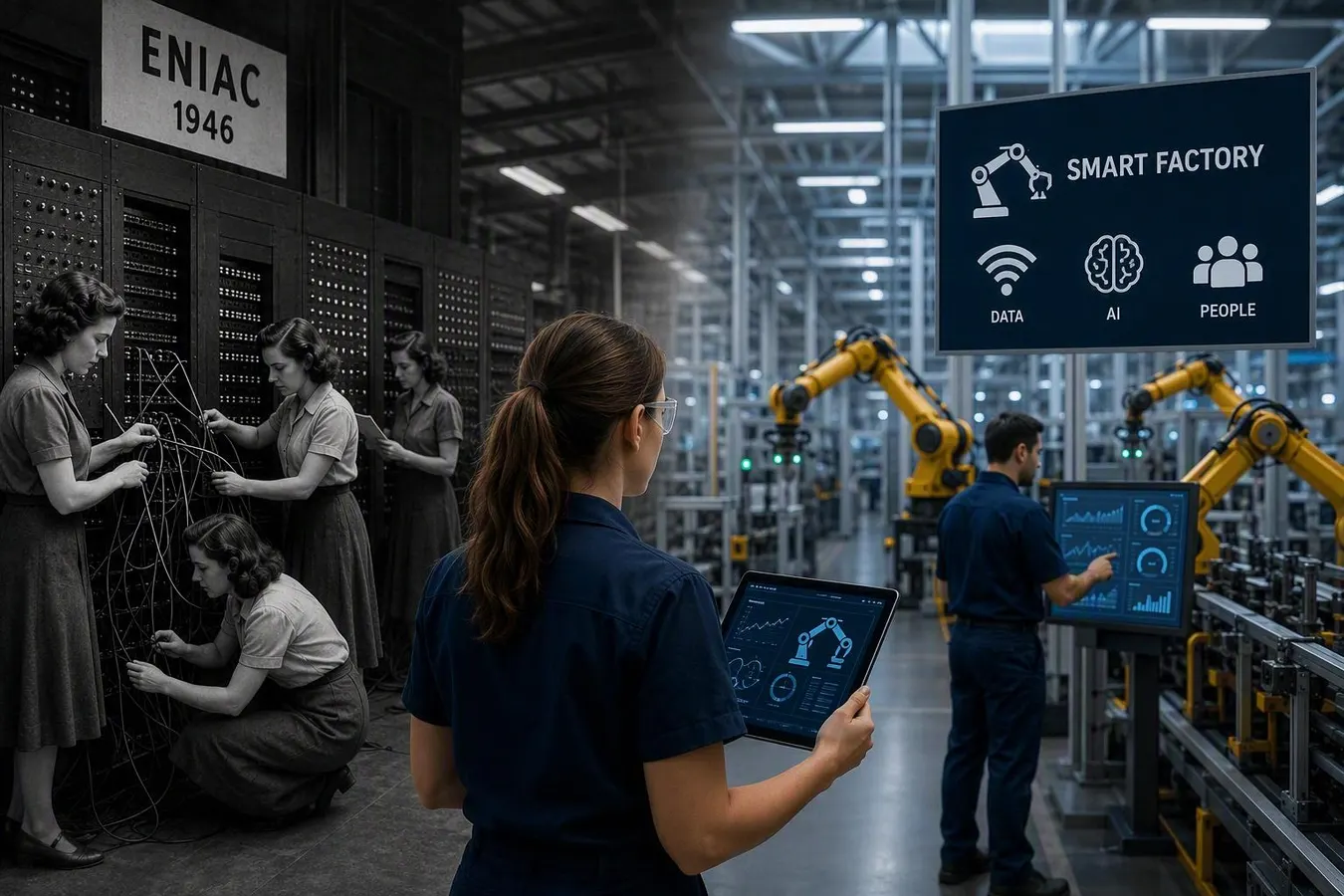
Modern manufacturing has been built on structure, standardisation, and predictability. Automation takes care of repetitive tasks. MES platforms manage workflows with precision. But for all their benefits, these systems are often inflexible. They follow rules, not reasoning. They capture process, but not purpose.
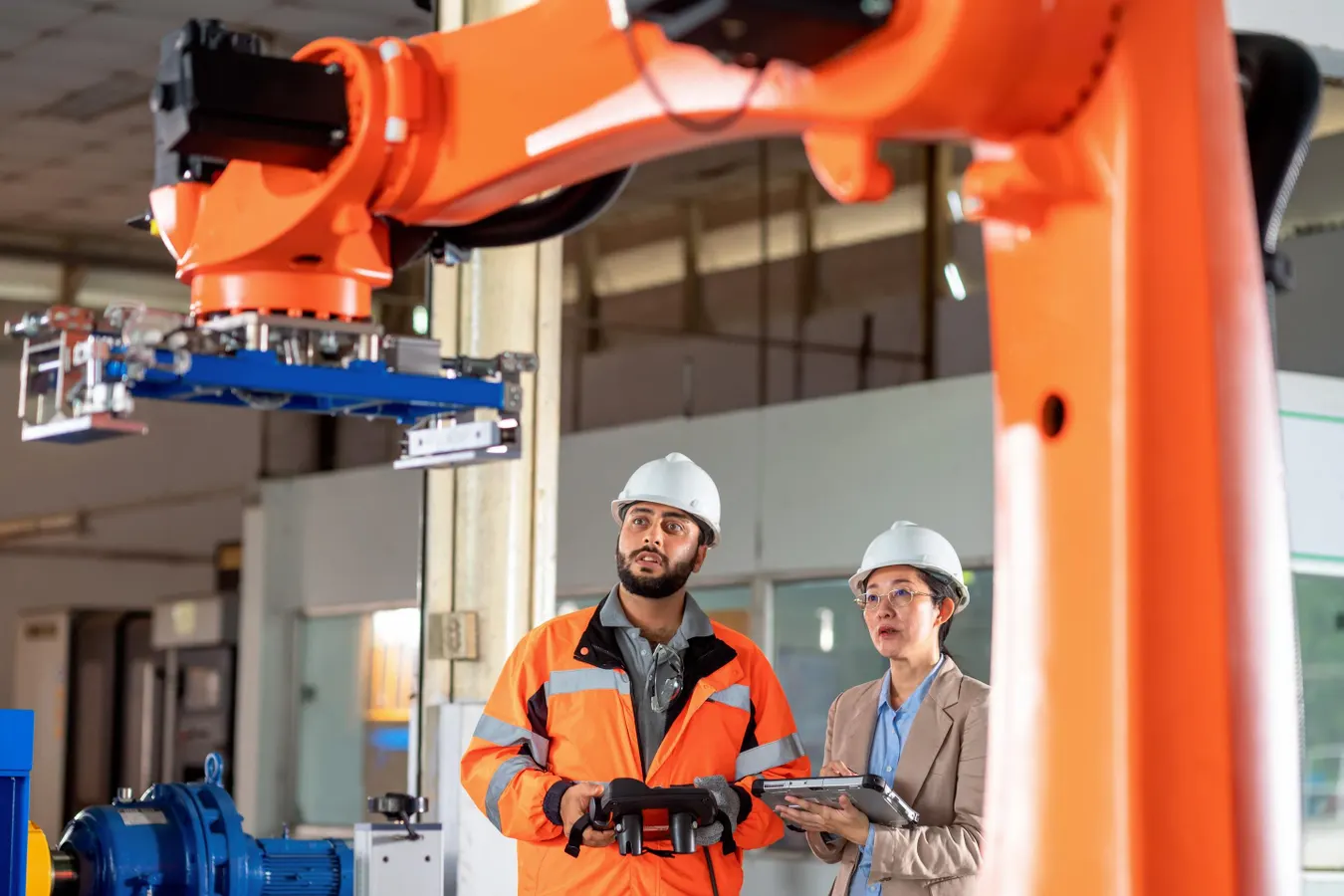
Something new is now taking shape on the factory floors. AI agents, independent, context-aware and task-oriented, are functioning as a third layer of intelligence. Not a replacement for what came before, but a layer that complements and elevates it. These agents are not confined to a single screen or workflow. They move between systems, interpret context via semantic data, and solve problems across functional boundaries.
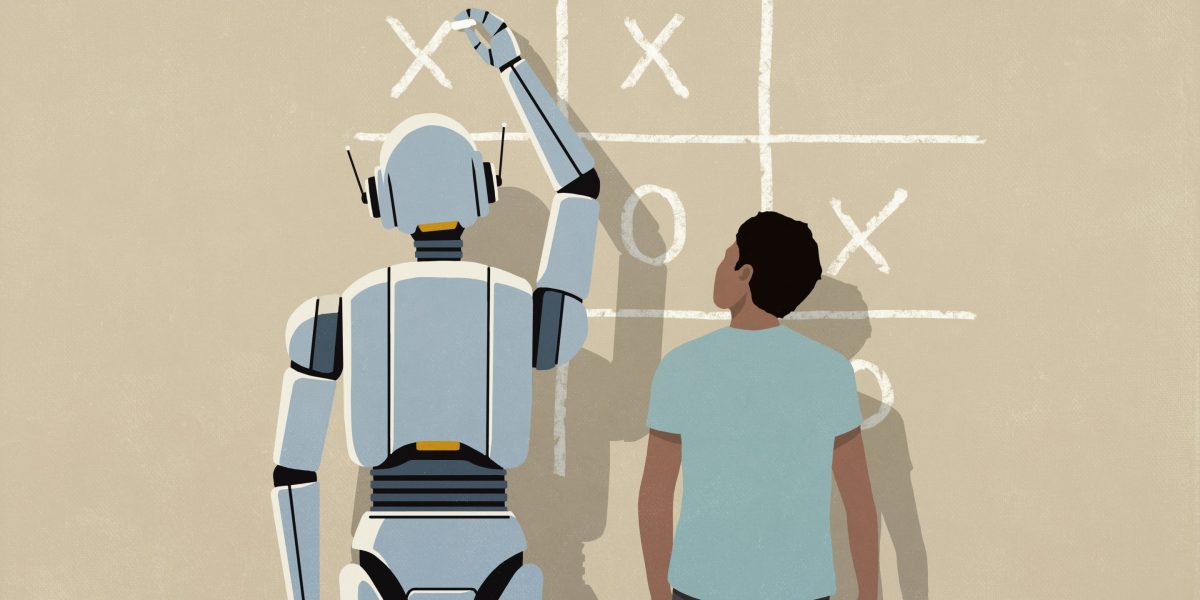
Think of them as collaborators with domain expertise baked in. They do not just respond to commands; they interpret goals from data and instructions. Once briefed, they can navigate data, weigh outcomes, and coordinate actions. The result is not just a smarter tool but a more adaptive factory.
What sets this development apart is the shift from passively reporting problems to actively resolving them. Agents are not there simply to log information or raise alerts. They operate with purpose, looking across functions and acting to resolve disruptions before they grow into bigger issues. This evolution changes not just how manufacturing systems operate, but also how problems are anticipated and managed.