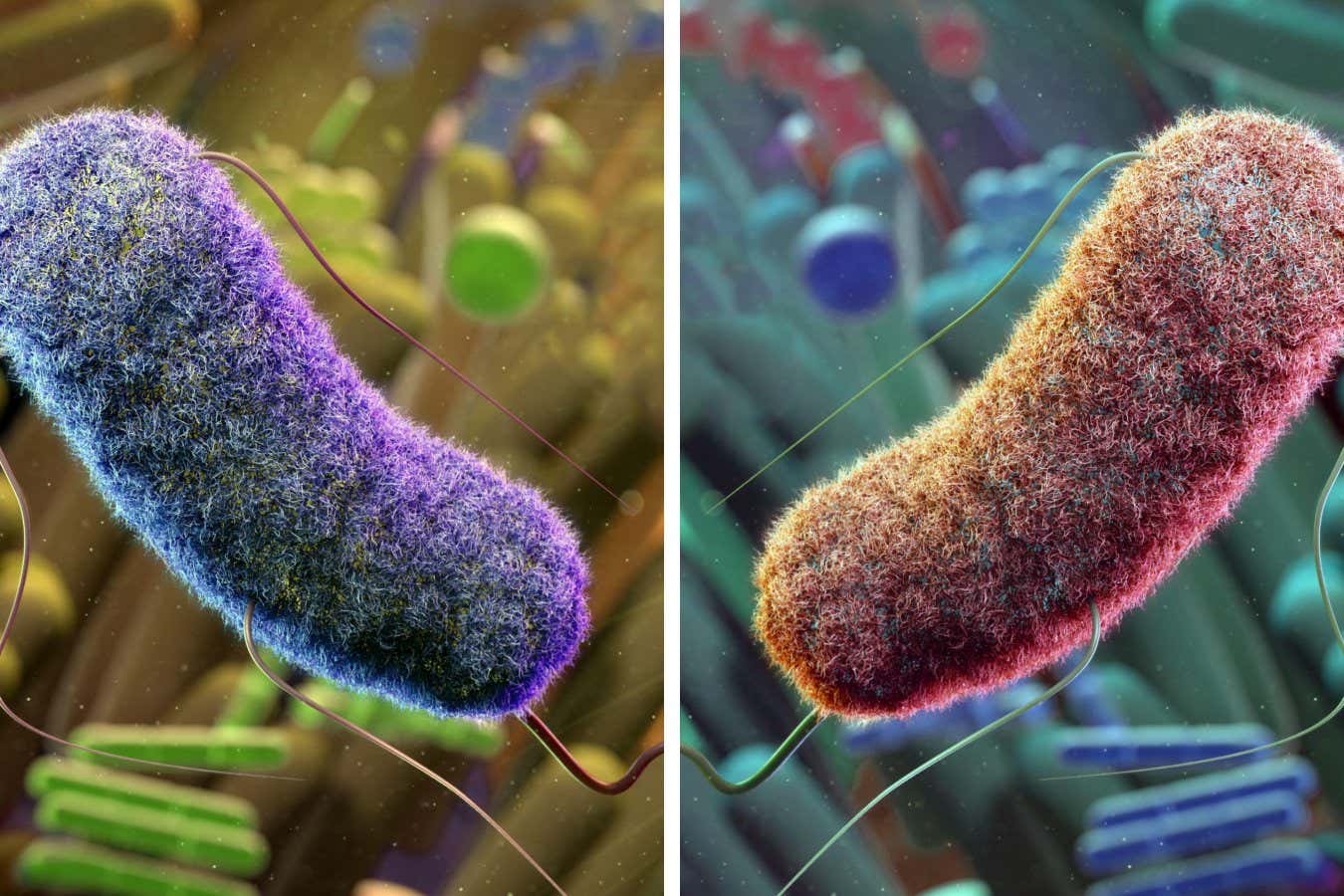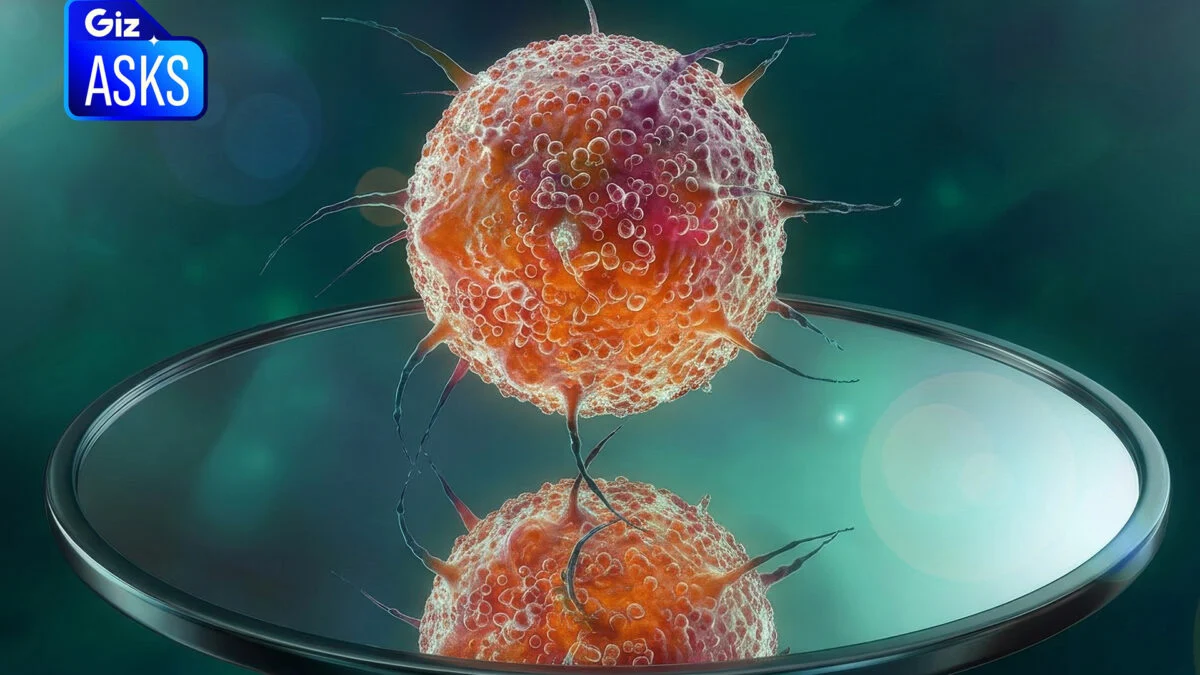
There are few tropes in science fiction as treasured as the mirror universe: the concept that somewhere, there’s a world that’s a reflection of our own. Turns out, this idea isn’t so far-fetched after all—molecularly speaking, that is. Many scientists believe we’ll eventually have the technological know-how to create the mirror-universe version of life’s building blocks and, from there, entire mirror organisms like bacteria. Some of these same scientists, however, dread the worst-case scenario of what might happen—and they’ve been actively pushing to ban or at least heavily restrict such research. The structure of many molecules has a non-superimposable spatial arrangement to it. This means if you tried to stack such a molecule and its chemically identical mirror twin on top of each other, they wouldn’t be perfectly overlaid, much like our right and left hands. This geometric property is formally known as chirality, though it’s often simply called handedness.
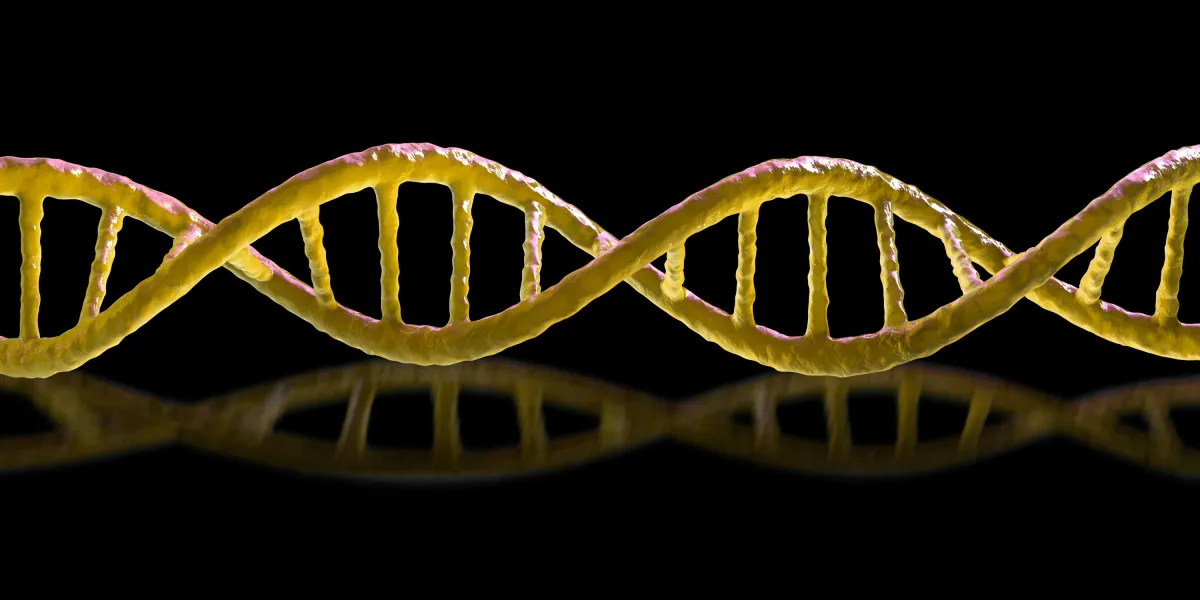
Life is mostly composed of things that have homochirality, meaning they naturally always exist as either their “left-handed” or “right-handed” version. Genetic material, DNA and RNA, is only built using right-handed sugar molecules, for instance, and the proteins life produces are made of left-handed amino acids. Similarly, the receptors on our cells typically only match to a particular handed version of a molecule (the mirror image of that molecule could potentially still trigger other receptors, though).