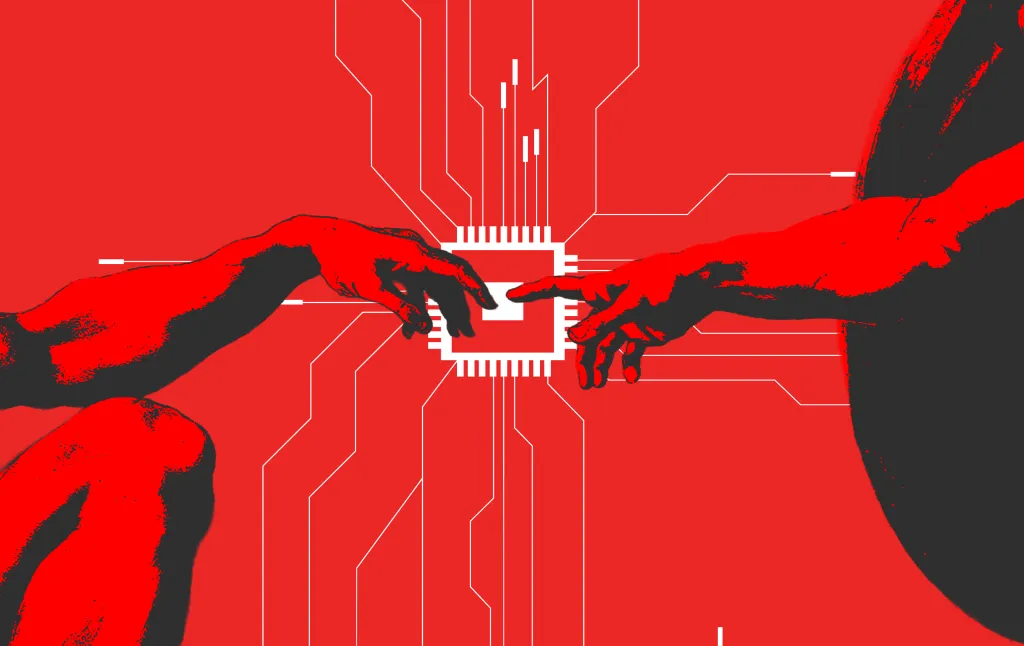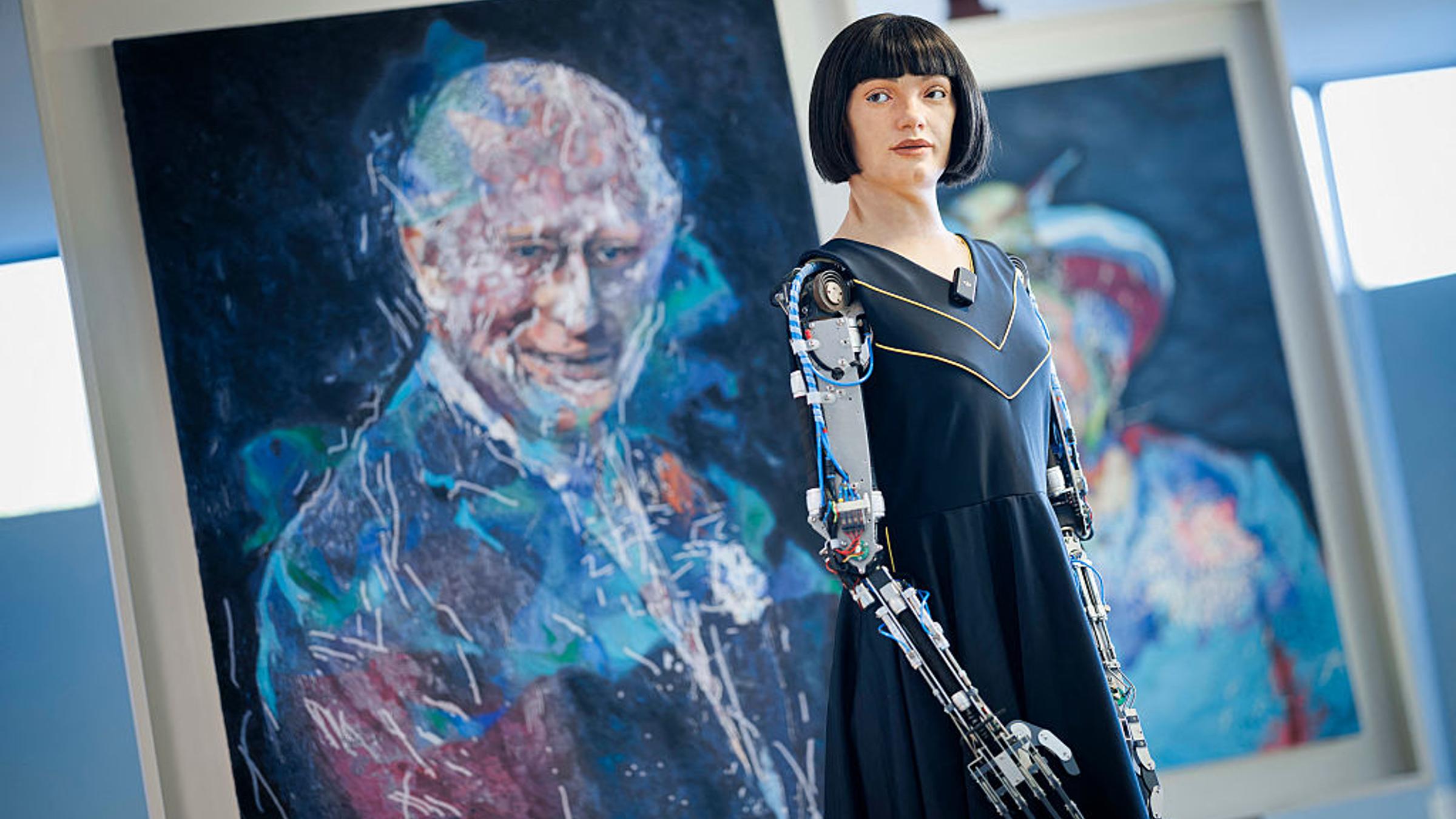
“Just as we always suspected”, writes musician and writer Anna Goldsworthy in her new Quarterly Essay on AI, “the god that may destroy us is the god of ourselves.” This sentence captures the core of the essay: a personal meditation on what AI reveals about humanity. She ponders not logic gates or quantum chips, but the technology’s moral, creative and even theological implications.
Goldsworthy skilfully moves between conversations with her AI-literate children and reflects on AI’s existential risks, education, labour, art, loneliness, companionship, corporate power and future. She asks whether humanity is wise enough to live with a technology that amplifies its weaknesses.
Goldsworthy treats AI, by which she largely means generative AI, as a mirror rather than a monster. Her most persuasive insight is that AI is not alien to us. It has learnt from the huge archive of human writings: the useful parts, but also the evasions, fantasies, cruelties and consolations.
Her theological framing works because the “god” in the title is not a deity arriving from elsewhere: it is something we have made and it carries our fingerprints.
Review: Quarterly Essay: The God we Made – The Threat and Promise of Artificial Intelligence by Anna Goldsworthy (Black Inc.)