Much of the commentary surrounding artificial intelligence focuses on the threats AI may pose to society. Many worry about AI taking jobs. Others fear increasingly that AI could undermine privacy, manipulate public opinion, or even usurp human control altogether.To be sure, these concerns are legitimate and deserve serious consideration. Sam Altman, Elon Musk, Geoffrey Hinton, Dario Amodei, and other leaders in the AI industry have all warned about scenarios in which AI could threaten jobs, privacy, democracy, or even human civilization itself.Yet there is another side to this conversation that receives far less attention: the existential threats facing artificial intelligence itself.
The future of AI is not set. In fact, the greatest threat to the AI revolution may be a growing backlash from the very public it is supposed to serve.AI has a major PR problem
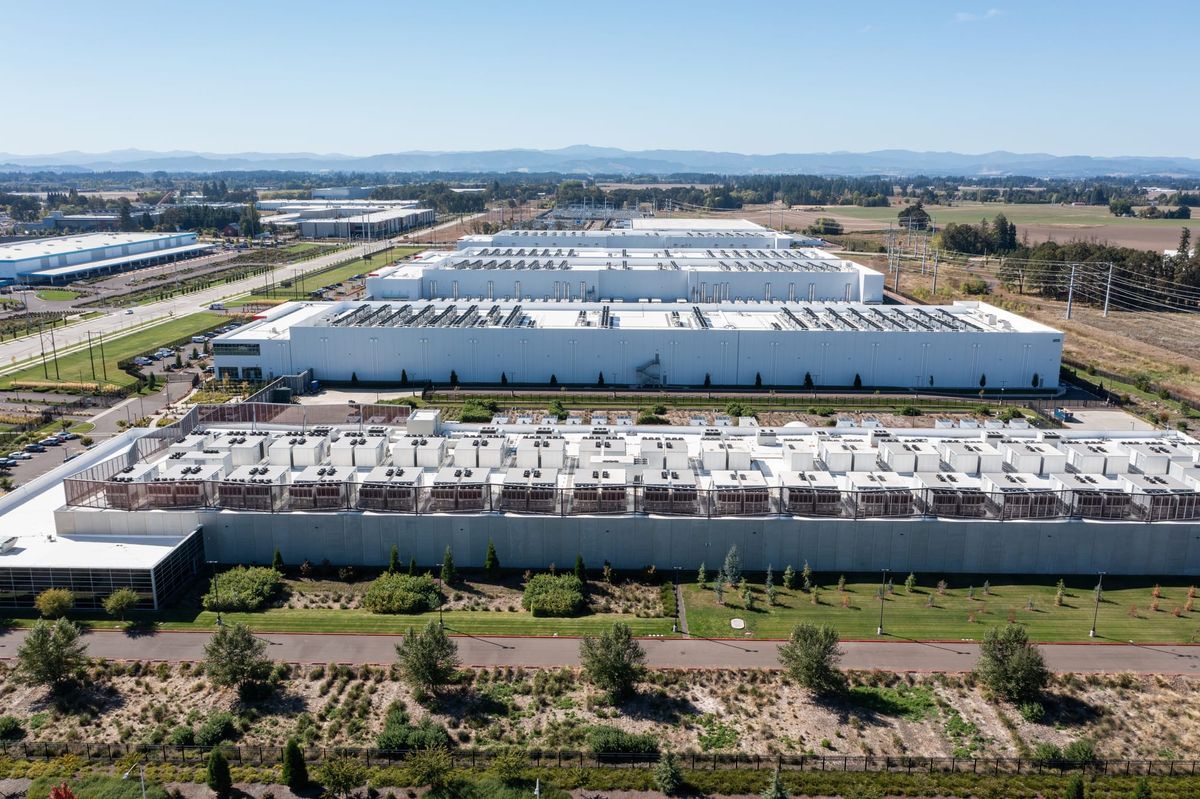
Despite the optimism of industry leaders and futurists, artificial intelligence suffers from a serious public relations problem.Rather than associating AI with curing diseases, creating abundance, or increasing productivity, many people associate the technology with job losses, deepfakes, so-called AI slop content, digital surveillance, and corporate control.This skepticism is repeatedly reflected in public opinion surveys. According to a recent Marquette University Law School poll, roughly 70% of people believe artificial intelligence will do more harm than good for society. Another survey from NBC News found AI’s net favorability rating ranked near the bottom of all topics measured.Public concerns are increasingly spilling into local political battles as well. Across the country, communities are pushing back against the construction of large-scale data centers that power AI systems. Residents often cite concerns about energy consumption, water use, noise pollution, and land development.One of the highest-profile examples is taking place in Utah, where local opposition has emerged over plans for a massive data center project backed by investor Kevin O’Leary. Similar disputes are occurring in communities throughout the United States. Some reports suggest that roughly half of proposed data center projects have been delayed or canceled due to permitting challenges, infrastructure concerns, or public opposition.It is difficult to identify another emerging technology that has faced this level of widespread skepticism before reaching maturity. Unfortunately for the AI industry, unfavorable public sentiment often creates fertile ground for regulatory backlash.Regulatory backlash