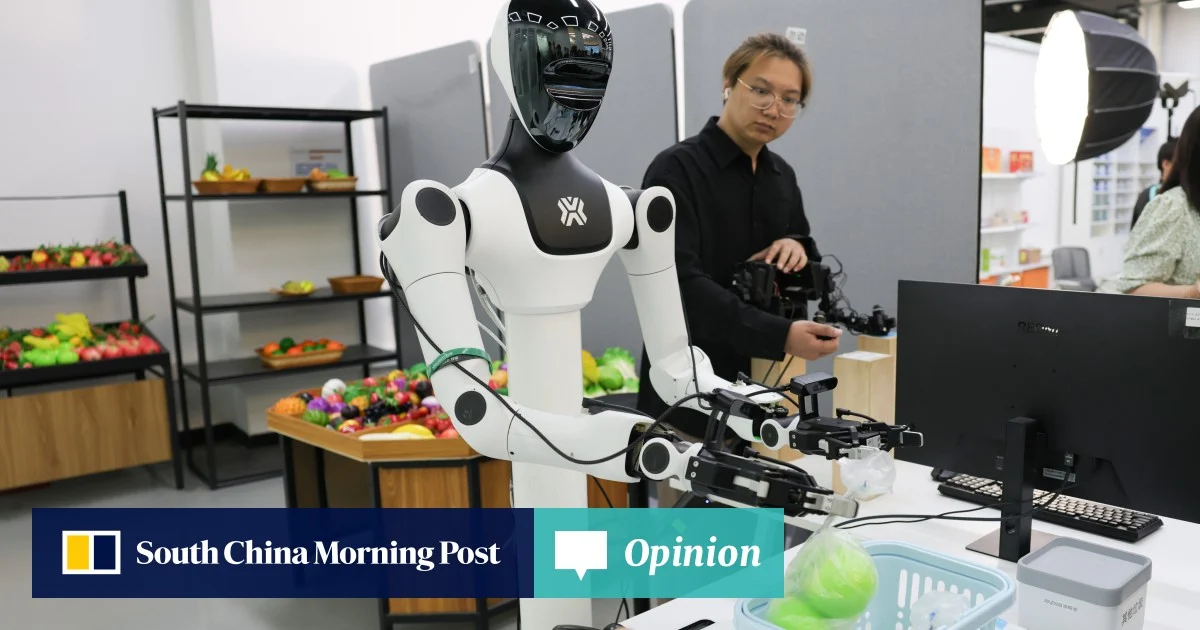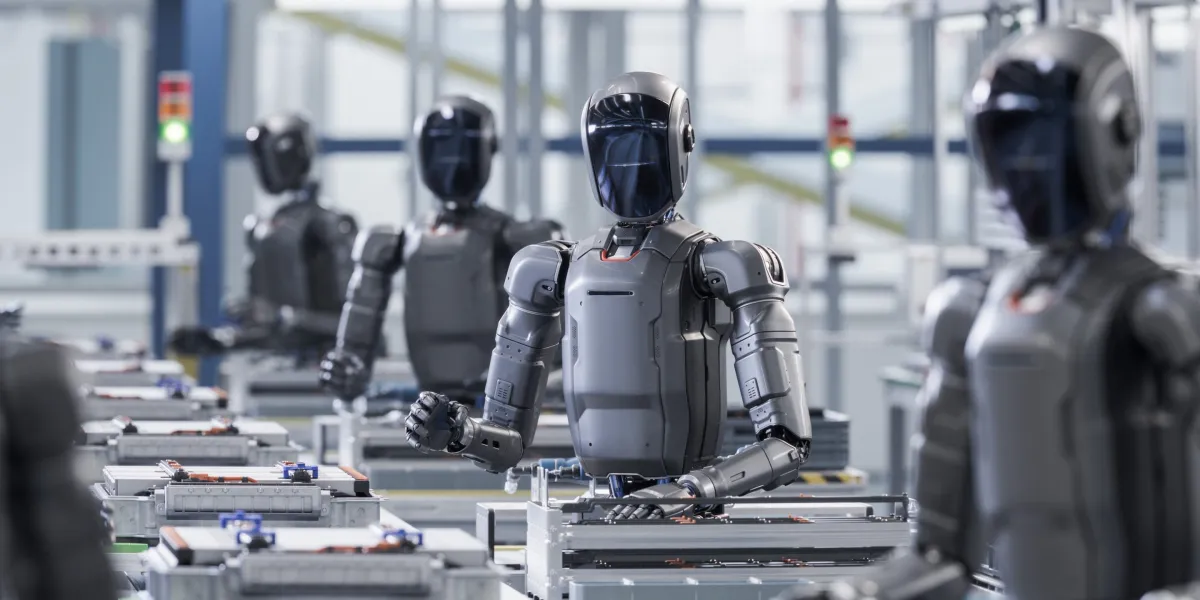
It seems that not a day passes without fevered headlines about the impact of artificial intelligence (AI) on future jobs. Alarm and confusion are everywhere – from young people trying to enter the job market to AI specialists worried their role is about to be usurped by AI itself to accountants and lawyers watching AI gobble up roles that until recently justified high fees and salaries.Panic is warranted, not just over the increasingly rapid encroachment of AI into every part of our personal and working lives but also over the truly confusing array of implications. AI is going to create some jobs but destroy others. It is going to change some jobs, sometimes routinising them and sometimes empowering them. It is going to create new demand but also eliminate demand.As more consumers use AI to get things done rather than employing human specialists or intermediaries, AI could even make many roles invisible to gross domestic product as statisticians measure it.Resistance to AI is sometimes countered by arguments that technological change has been a massive disrupter throughout history. Those arguments are fair: the arrival of motor transport ended our reliance on horses and the pivotal role of blacksmiths. Washing machines put thousands of laundry shops out of business, and computers brought an end to many printing-related jobs in the newspaper industry. The march of technology has also destroyed the role of telephone operators, bus conductors and lift operators.Since my childhood, millions of once-essential jobs have disappeared, silently and unmourned. There was the milkman delivering to every home before dawn, the weekly visit of the coalman, the grocery van, the fizzy drinks lorry and even the ice cream van. As more families came to own cars, town-centre retailers and supermarkets persuaded us to come to them for our shopping rather than force them to come to us. The arrival of the internet and smartphones undermined the role of jobs from office typists and translators to travel agents and insurance salesmen.01:04Indian workers are wearing headcams to train AI to do their jobsHistory suggests that for every job lost to new technologies, others will be created. Productivity has risen, as have living standards. According to the World Economic Forum’s 2025 Future of Jobs Report, labour market transformation will result in the creation of an estimated 170 million jobs by 2030 but also the displacement of 92 million current jobs.
Outside In | Whether AI creates jobs or destroys them, development needs reining in
Just as drugs can’t go to market without thorough testing, the uncertainty surrounding the effect of AI means it must face globally agreed regulations.
395 words~2 min read