Public attitudes toward Artificial Intelligence (AI) are changing, and we wanted to understand why.
A recent Pew Research survey found that about half of adults say the increased use of AI in daily life makes them more concerned than excited, and that concern has grown over the last few years. People tend to worry most about long‑term social effects (jobs, creativity, relationships, misinformation), even while many do use AI tools and see some practical benefits, particularly for data analysis and routine tasks.
Data from an older UK survey already showed something similar. Awareness of highly visible AI technologies, such as driverless cars and facial recognition is high, but awareness of AI in welfare assessments, loan decisions, or care services is much lower. Concern about many of these use cases has risen since 2022. In other words, people feel AI is everywhere, but don’t always understand where or how it’s being used, and that makes people cautious.
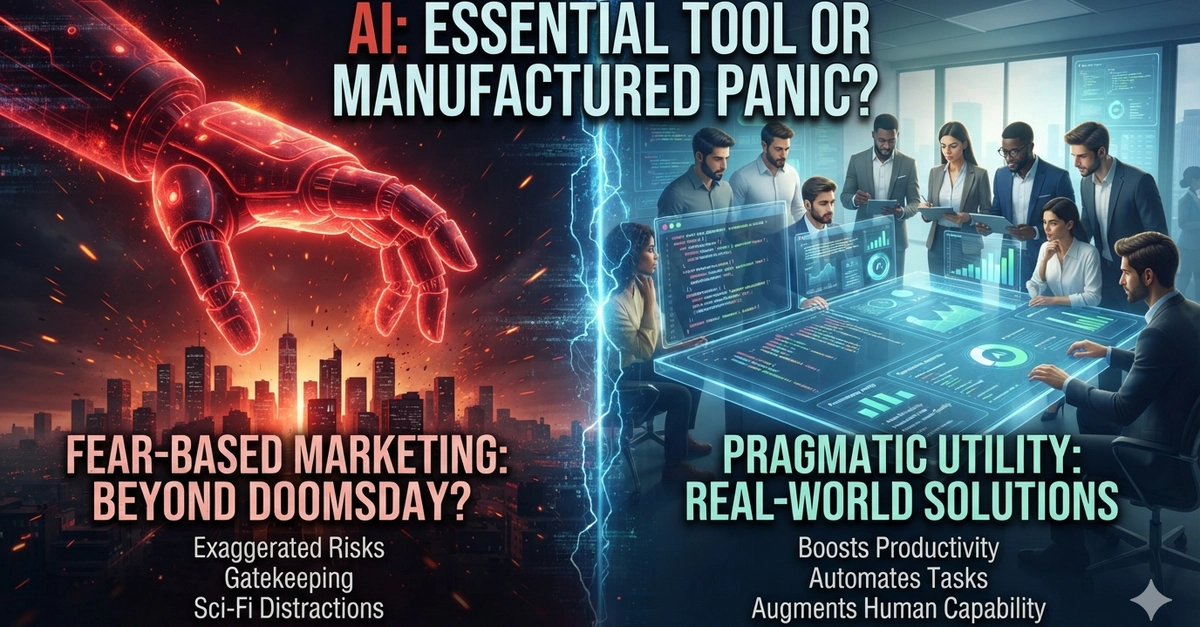
The concern is usually less about science‑fiction extinction scenarios and more about social and economic harm. People worry about their jobs disappearing, a loss of creativity, the spread of disinformation, and increased surveillance, more than about killer robot scenarios.